A sudden shift in energy, sleep, mood, libido, or body composition can feel deeply personal – and it often is. If you have been asking what causes low estrogen, the answer is rarely one simple thing. Estrogen levels naturally rise and fall throughout life, but persistently low levels can affect how you feel, function, and recognize yourself in the mirror.
Estrogen is commonly associated with women’s health, yet it matters for people of every sex. In women, it supports menstrual cycles, bone strength, vaginal and urinary health, skin, cognitive function, and cardiovascular health. Men produce estrogen too, largely by converting testosterone into estradiol, and levels that are too low may affect bone density, sexual function, and overall well-being.
The right next step is not to guess or self-treat. It is to understand the possible cause, look at your full health picture, and use appropriate lab testing with a qualified medical provider.
What Causes Low Estrogen in Women?
For many women, the most common cause of low estrogen is the natural transition into perimenopause and menopause. During perimenopause, ovarian hormone production becomes less predictable. Estrogen can fluctuate significantly before declining more consistently after menopause, when menstrual periods have stopped for 12 consecutive months.
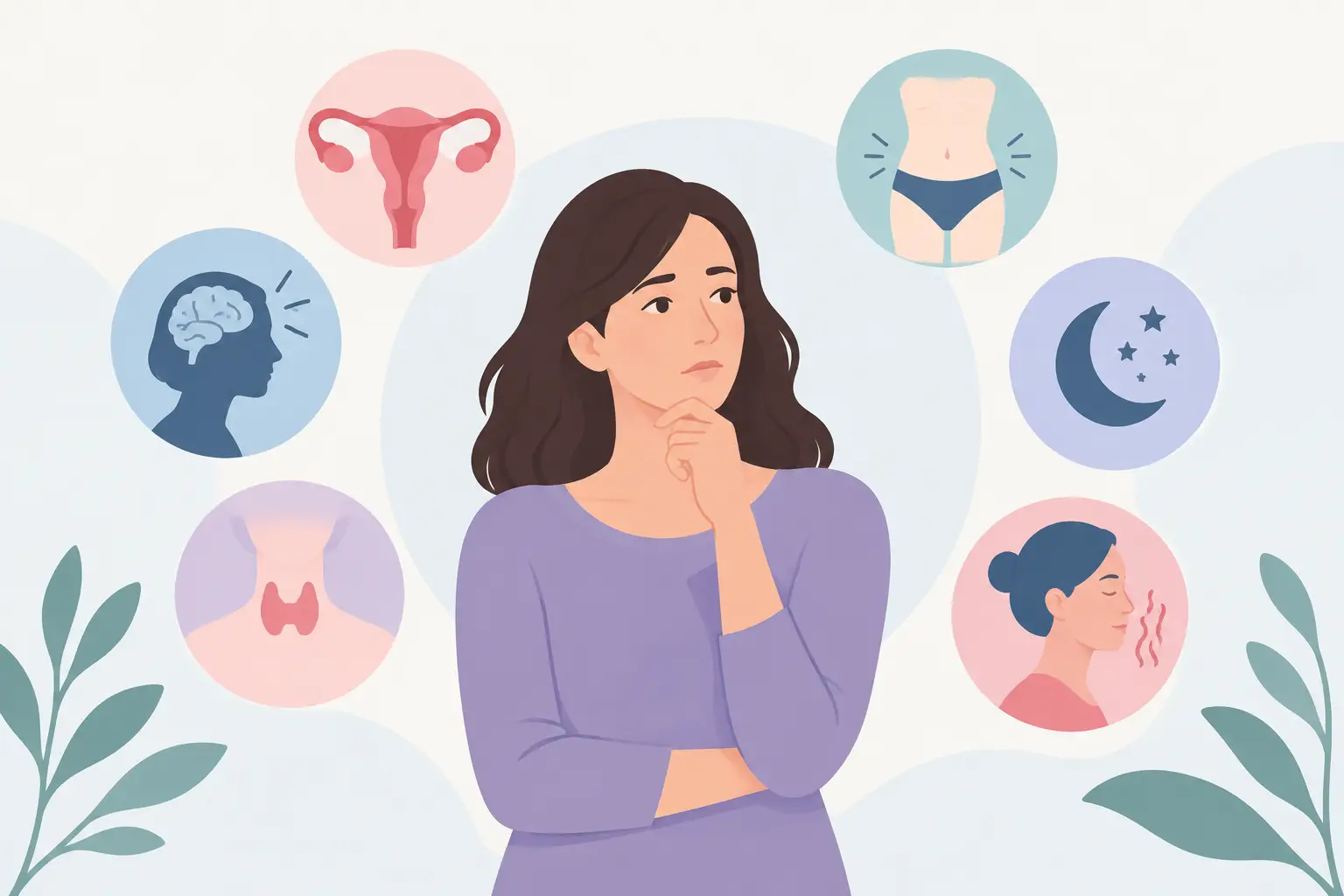
This transition can begin in the 40s, though timing varies widely. Some women notice irregular periods first. Others are more bothered by hot flashes, disrupted sleep, vaginal dryness, low libido, mood changes, brain fog, or a stubborn change in weight distribution. Symptoms can be intense even when a single hormone test appears “normal,” because hormone levels may shift from week to week during perimenopause.
Menopause is not the only explanation. Low estrogen may also occur when the ovaries are not producing enough hormones for other reasons.
Primary ovarian insufficiency and early menopause
Primary ovarian insufficiency occurs when ovarian function declines before age 40. It is different from typical menopause because ovarian activity can be intermittent, but it can still lead to low estrogen, irregular or absent periods, fertility challenges, and menopause-like symptoms.
Early menopause may result from genetics, autoimmune conditions, certain infections, or factors that are not always identifiable. A family history of early menopause can be a useful clue, but it does not tell the whole story.
Surgery and cancer treatment
Removal of both ovaries causes an immediate and substantial decline in estrogen production. This is sometimes called surgical menopause, and symptoms may feel more abrupt than they do during natural menopause.
Chemotherapy and pelvic radiation can also affect ovarian function. The impact depends on the treatment type, dose, age, and baseline ovarian reserve. For patients undergoing or recovering from cancer treatment, hormone decisions require close coordination with their oncology team and hormone specialist.
Hypothalamic amenorrhea: when the body conserves energy
The brain and ovaries communicate through a finely tuned hormonal system. When the body perceives inadequate energy availability or sustained stress, the hypothalamus may reduce the signals that support ovulation and estrogen production. This can lead to hypothalamic amenorrhea, or missing periods due to disrupted brain-ovary signaling.
It may develop with restrictive eating, rapid weight loss, very low body fat, excessive exercise, chronic stress, or a combination of these factors. This does not only affect elite athletes. Busy professionals, new mothers, high-performing students, and people following highly restrictive weight-loss plans can all be vulnerable.
The trade-off matters: pushing harder with exercise or eating less may feel productive in the short term, but it can work against hormone health, bone strength, recovery, and long-term performance. Restoring adequate nutrition and addressing stress are often central parts of care.
Pituitary, thyroid, and other medical conditions
The pituitary gland helps regulate reproductive hormones. Conditions affecting the pituitary, including elevated prolactin levels, may interfere with ovulation and lower estrogen. Thyroid disorders can also contribute to menstrual changes and symptoms that overlap with hormone imbalance.
Chronic illnesses, poorly controlled diabetes, kidney disease, inflammatory conditions, and some genetic disorders can affect the reproductive system as well. This is why symptom-based treatment without a thoughtful medical review can miss the real issue.
Low Estrogen in Men: A Different Pattern
Men need estrogen in the right range, not at zero. Estradiol supports bone health, sexual function, and metabolic health. In men, low estrogen most often relates to low testosterone, since testosterone is converted into estradiol in body tissues.
Possible contributors include aging, obesity-related hormonal changes, pituitary disorders, testicular conditions, chronic illness, and medications that suppress testosterone production. Men taking testosterone therapy can also develop low estradiol if an aromatase inhibitor is used unnecessarily or at too high a dose. These medications reduce the conversion of testosterone to estrogen, and overcorrection can leave someone feeling worse, not better.
Low estrogen symptoms in men may include reduced libido, erectile concerns, fatigue, low mood, joint discomfort, and reduced bone density over time. Those symptoms overlap with many other concerns, so comprehensive testing and interpretation are essential.
Medications That Can Lower Estrogen
Some medications intentionally lower estrogen as part of treatment. Aromatase inhibitors may be used for certain hormone-sensitive breast cancers. Gonadotropin-releasing hormone medications may be prescribed for conditions such as endometriosis, fibroids, or prostate cancer. These therapies can be medically necessary, but they may produce low-estrogen symptoms that deserve active management.
Other medications may affect cycles indirectly by influencing weight, appetite, prolactin, thyroid function, or the brain’s hormone signaling. Never stop a prescribed medication because you suspect it is affecting estrogen. A clinician can help you weigh symptom relief against the reason the medication was prescribed in the first place.
Symptoms That Deserve a Closer Look
Low estrogen does not look identical in every patient. Some people have obvious hot flashes and night sweats. Others primarily notice vaginal dryness, discomfort with intimacy, recurrent urinary symptoms, poor sleep, anxiety, lower mood, or a loss of mental sharpness.
Over time, very low estrogen can contribute to bone loss. That is one reason missed periods, especially for several months in someone who is not pregnant, should not be dismissed as merely an inconvenience. Estrogen also interacts with muscle maintenance, cholesterol, glucose regulation, and body composition, although it is not the sole explanation for weight gain or fatigue.
Symptoms alone cannot confirm low estrogen. Similar concerns can be tied to thyroid dysfunction, iron deficiency, depression, sleep apnea, medication effects, nutrient deficiencies, elevated stress, or changes in testosterone and progesterone. The goal is clarity, not a rushed label.
How Low Estrogen Is Evaluated
A high-quality evaluation starts with your story: your age, menstrual pattern, pregnancy possibility, medications, sleep, stress load, nutrition, exercise, medical history, family history, and specific symptoms. For women who are still cycling, the timing of testing can matter. For women in perimenopause, one isolated hormone value may not capture the full pattern.
Your provider may assess estradiol alongside other relevant markers, which can include follicle-stimulating hormone, luteinizing hormone, thyroid markers, prolactin, testosterone, and additional labs based on your history. In some situations, bone density testing or imaging may be appropriate.
The most effective care is individualized. A 28-year-old whose periods stopped after aggressive training needs a different plan than a 52-year-old navigating perimenopause, and both need a different approach than a man whose estradiol dropped after medication changes.
Can Hormone Therapy Help?
For appropriate candidates, medically supervised hormone therapy can be a powerful tool for treating symptoms related to menopause or clinically confirmed hormone deficiency. Bioidentical hormone replacement therapy may be delivered through several methods, including creams, patches, oral options, injections, or pellets, depending on the patient’s needs, medical history, preferences, and provider recommendations.
Hormone therapy is not a universal answer. A personal or family history of certain cancers, blood clots, liver disease, unexplained vaginal bleeding, or cardiovascular risk factors may influence which options are appropriate. The form, dose, timing, and follow-up plan all matter.
At Thrive Health Solutions, individualized hormone optimization is built around physician-supervised care, diagnostic insight, and ongoing dose adjustments rather than a one-size-fits-all protocol. The objective is not to chase a number on a lab report. It is to help the right patients feel stronger, clearer, more energized, and more like themselves while prioritizing safety.
If you are experiencing persistent symptoms, irregular or absent periods, sexual health changes, or a sharp decline in quality of life, do not settle for being told it is simply part of getting older. A thoughtful evaluation can reveal what your body is signaling and create a clear path toward feeling your best again.