
Table of Contents
- Why Preparation Matters for Hormone Testing
- Fasting Requirements for Hormone Panels
- Best Time of Day for Hormone Blood Test
- How Medications Affect Hormone Test Results
- Preparing for Your Blood Draw Appointment
- What to Expect During the Appointment
- Common Mistakes to Avoid When Preparing for Hormone Tests
- After Your Test: Understanding Your Results
Last Updated: August 27, 2026
Why Preparation Matters for Hormone Testing
Getting accurate hormone test results depends almost entirely on what you do before your appointment. The timing of your test, what you eat, what medications you take, and even your stress levels can shift your results enough to change your entire treatment plan. This guide walks you through exactly how to prepare for hormone testing so your results are accurate, actionable, and representative of your actual hormonal state.
Fasting Requirements for Hormone Panels
Most hormone tests don’t require fasting, but some do. Cortisol tests typically require fasting because eating can temporarily elevate cortisol. If you’re getting a fasting cortisol test, stop eating at midnight and schedule your blood draw for 7-9 AM. Testosterone, estrogen, and thyroid panels don’t require fasting, though some labs recommend it for consistency.
When fasting is required, stick to water only. Black coffee without cream or sugar is typically acceptable. The reason fasting matters is that eating triggers insulin release, which influences estrogen metabolism and can affect how your body processes other hormones during measurement.
If your lab requires fasting and you’re prone to low blood sugar, eat a small balanced meal at 10 PM the night before, then fast from that point. This gives you 8-9 hours of fasting while reducing the risk of dizziness during your blood draw.
Best Time of Day for Hormone Blood Test
The time you schedule your test matters significantly. Hormones follow a circadian rhythm, meaning they fluctuate predictably throughout the day.
Circadian Rhythms and Cortisol Timing
Cortisol peaks in the early morning, around 6-8 AM, and declines steadily throughout the day, reaching its lowest point around midnight (peer-reviewed research). If you test cortisol at 2 PM, your result will be significantly lower than if you tested at 7 AM, even though nothing about your actual cortisol production has changed. For accurate cortisol assessment, schedule your test between 7-9 AM. This captures your natural cortisol peak and gives your provider a meaningful baseline.
If you work night shifts or have a sleep schedule that doesn’t align with typical circadian patterns, tell your lab. Testing at your personal "morning" (whenever you wake up after sleep) is more useful than forcing yourself to wake early for a test that doesn’t match your actual rhythm.
Cortisol testing accuracy depends on timing. Early morning (7-9 AM) captures your cortisol peak and provides the most clinically meaningful result for diagnosing cortisol imbalances.
Menstrual Cycle Considerations
If you menstruate, the day of your cycle matters significantly for estrogen and progesterone testing. For a standard hormone panel, many providers recommend testing during the follicular phase, typically days 3-5 of your cycle (acog.org). If you’re testing progesterone specifically, the luteal phase (around day 21 of a 28-day cycle, or 7 days before your period) is when progesterone peaks.
If you’re on hormonal birth control or bioidentical hormone replacement therapy, cycle timing becomes less relevant because your hormone levels are artificially stabilized. Write down the first day of your last period before your appointment and tell your lab. Many labs have different reference ranges for follicular versus luteal phase, so this information directly affects whether your results are flagged as normal or abnormal.
How Medications Affect Hormone Test Results
Medications and supplements can significantly alter hormone test results. The key is knowing which ones matter and when to stop taking them.
Bioidentical Hormone Replacement Therapy (HRT) Timing
If you’re already taking bioidentical hormones, timing your test relative to your dose is critical. For oral bioidentical hormones, take your dose as you normally would, but schedule your test at a consistent time relative to when you take it. For transdermal hormone delivery (patches, creams, gels), the hormone is absorbed more gradually, so levels stay more stable throughout the day. You can test at any time, but consistency matters.
Some providers ask you to skip your dose on the morning of testing to see your "baseline" without active medication in your system. Others want you to take it as normal. Ask your provider specifically what they want you to do.
Skipping a dose of bioidentical hormones without guidance can cause a temporary dip in [hormone levels](/news/why-hormone-levels-drop-after-40) that doesn’t reflect your actual treatment. Only skip doses if your provider explicitly instructs you to do so for testing purposes.
Birth Control and Other Medications
Hormonal birth control suppresses your natural hormone production, so testing while on birth control will show artificially low estrogen and progesterone. If you want to assess your natural hormone levels, you’ll need to stop birth control for at least 2-3 months before testing (peer-reviewed research). If you’re testing to assess whether your current birth control is appropriate for you, test while taking it as prescribed.
Thyroid medications should be taken as normal before testing. Consistency is important; if you always take it first thing in the morning, test later in the day so the medication has time to be absorbed. Herbal supplements like red clover, black cohosh, and sage contain phytoestrogens that can slightly elevate estrogen readings. Keep taking supplements as you normally would, and mention them to your lab so the results are interpreted in context.
Preparing for Your Blood Draw Appointment
Hydration and Physical Preparation
Drink plenty of water in the days leading up to your test. Dehydration makes your veins harder to find and can make the blood draw more difficult. Aim for at least 8 glasses of water per day for the three days before your appointment. On the morning of your test, drink one more glass of water 30 minutes before your appointment.
Avoid heavy exercise the day before and the morning of your test. Intense exercise elevates cortisol and adrenaline, which will skew your results. Light walking is fine, but save your gym session for after your blood draw.
Wear loose, comfortable clothing with sleeves that roll up easily. Get adequate sleep the night before. Sleep deprivation elevates cortisol and inflammatory markers, which will affect your results. Aim for 7-9 hours.
Managing Stress Before Testing
Stress hormones spike in response to anxiety. Arrive 10 minutes early so you’re not rushing. Take three slow, deep breaths before you walk into the lab. Breathing with a longer exhale than inhale (try 4 counts in, 6 counts out) activates your parasympathetic nervous system, which lowers stress hormones.
If you have a history of fainting during blood draws, let the lab know immediately. They can have you lie down during the draw, which prevents vasovagal syncope. Some people find it helpful to look away during the needle insertion. Others prefer to watch. Do whatever feels right for you.
What to Expect During the Appointment
Your blood draw appointment typically takes 10-15 minutes from check-in to leaving. When you arrive, you’ll check in and provide your insurance information and identification. The lab will verify which tests you’re there for and confirm your fasting status if required.
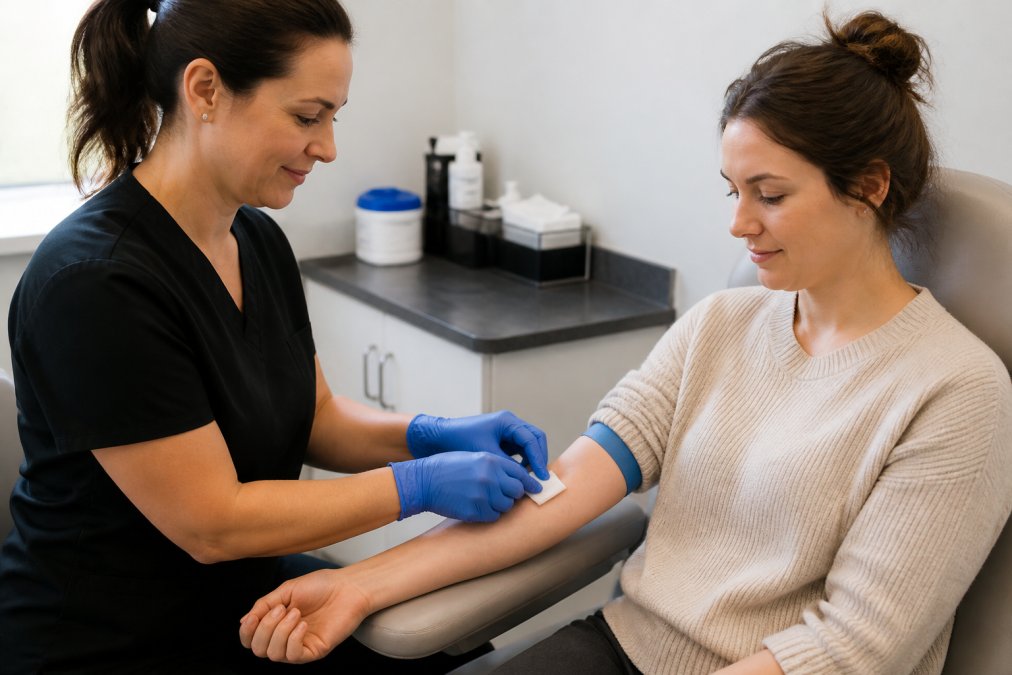
You’ll be called back to the blood draw station. The phlebotomist will ask which arm you prefer and whether you have any veins that work better than others. They’ll tie a tourniquet around your upper arm, clean the inside of your elbow with an alcohol wipe, and insert the needle into your vein. You’ll feel a small pinch, then pressure as blood flows into the collection vials. The entire process takes 30-60 seconds.
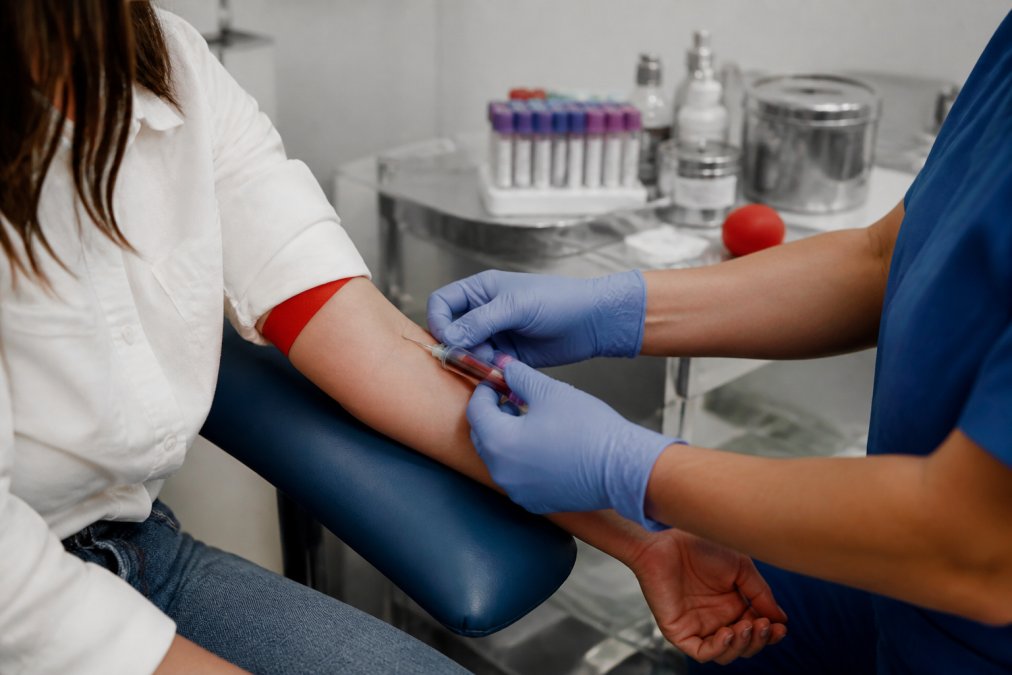
Once they’ve collected enough blood, they’ll remove the needle and apply pressure with gauze. You’ll hold pressure for 1-2 minutes. They’ll apply a small bandage, and you’re done. After your draw, sit for a moment before standing. Drink water and eat a light snack if you were fasting. Your lab results typically come back within 24-48 hours.
Common Mistakes to Avoid When Preparing for Hormone Tests
Testing at inconsistent times. If you test cortisol at 2 PM one month and 8 AM the next, you’re not comparing apples to apples. Pick a time and stick with it for all future tests.
Not accounting for your cycle. Testing estrogen on day 5 of your cycle and then testing again on day 20 will show a massive difference, but it’s not a change in your health. Always test on the same cycle day if you menstruate.
Stopping medications before testing without asking. Some people stop taking their bioidentical hormones or birth control the day before testing, thinking they’ll get a "true" reading. This actually gives you a false reading that doesn’t match your actual daily hormone levels. Only stop medications if your provider tells you to.
Testing while sick or stressed. If you’re fighting an infection or dealing with significant stress, your cortisol and inflammatory markers will be elevated regardless of your baseline health. Reschedule for when you’re feeling better.
Exercising intensely before testing. Hitting the gym hard the morning of your test will elevate cortisol and adrenaline. Light activity is fine; intense workouts should wait until after your draw.
Assuming all labs have the same reference ranges. Different labs use different methods and reference ranges for "normal." When you retest, try to use the same lab for consistency.
Not bringing a list of medications and supplements. Your provider needs to know everything you’re taking to interpret your results correctly.
Testing while acutely ill or under extreme stress produces artificially elevated cortisol and inflammatory markers. Reschedule your test for a time when you’re physically and emotionally stable for the most accurate baseline.
After Your Test: Understanding Your Results
Once your results come back, understanding what they means requires context. Your lab report will show your results alongside reference ranges, which are the normal values for a healthy population. But reference ranges are population averages, not personalized targets.
A cortisol level of 12 mcg/dL might be within the normal reference range but still represent low cortisol for you if your baseline was 18 mcg/dL. This is why having a baseline test and comparing future tests to that baseline is more useful than comparing a single result to population averages.
Your symptoms matter more than the numbers. If your test shows "normal" cortisol but you have persistent fatigue, that discrepancy is worth investigating. Thrive Health Solutions specializes in interpreting these nuances. Our providers assess whether your hormone levels explain your symptoms and whether treatment is appropriate for your individual situation. We use innovative approaches like bioidentical hormone replacement with Peptide Film delivery to provide personalized hormone balancing tailored to your specific needs.
If your results show an imbalance, your provider will discuss treatment options. Hormone testing is only useful if it leads to meaningful treatment that improves how you feel. Work with a provider who understands that normal lab ranges don’t always mean you feel normal.
Accurate hormone testing requires more than just showing up at the lab. The preparation you do before your test determines whether your results reflect your actual hormonal state. From fasting protocols to medication timing to managing stress, each element contributes to results you can actually trust. When you understand how to prepare properly, you get results that lead to effective treatment. Book a consultation with Thrive Health Solutions to discuss your hormone testing and learn how personalized bioidentical hormone replacement can help you achieve meaningful changes in how you feel and look.
| Preparation Element | Timing | Key Detail |
|---|---|---|
| Fasting | If required, 8-12 hours | Water only; affects cortisol and insulin |
| Cortisol testing | 7-9 AM | Captures natural morning peak |
| Cycle timing | Follicular phase (days 3-5) | Only relevant if menstruating naturally |
| Hydration | 3 days before + 30 min before | Helps veins become visible |
| Exercise | Avoid intense activity | Day before and morning of test |
| Medications | As prescribed unless told otherwise | Tell lab about all medications |
| Sleep | 7-9 hours night before | Sleep deprivation elevates cortisol |
| Stress management | Before appointment | Deep breathing lowers stress hormones |
Frequently Asked Questions
Q: Do I need to fast before a hormone panel?
A: Fasting requirements depend on which hormones are being tested. Many hormone panels, including cortisol and thyroid panels, don't require fasting. However, if your test includes glucose or lipid markers alongside hormone testing, fasting for 8-12 hours may be recommended. Always check your lab requisition or call your provider's office before your appointment to confirm whether fasting applies to your specific hormone blood test.
Q: What is the best time of day to have hormone levels tested?
A: Timing is critical because hormone levels fluctuate throughout the day. Cortisol peaks in early morning (6-8 AM), so cortisol tests should be drawn then. For women, the cycle day matters more than time of day for estrogen and progesterone testing. Thyroid stimulating hormone (TSH) is typically stable, but morning draws are still preferred. Ask your provider which time window is best for your specific hormone panel.
Q: How do medications and supplements affect hormone test results?
A: Many medications and supplements can skew hormone readings. Birth control pills, thyroid medications, and certain supplements containing herbs or hormones can alter serum levels. If you're taking bioidentical hormone replacement therapy, timing your blood draw correctly relative to your last dose is essential for accurate measurement. Provide your provider with a complete list of all medications and supplements at least one week before testing so they can advise you on what to stop or adjust.
Q: Should I exercise before my hormone blood test?
A: Intense exercise within 24 hours of testing can elevate cortisol and other stress biomarkers, skewing results. Light activity like walking is fine, but avoid high-intensity workouts the day before your appointment. This is especially important if your test includes cortisol or stress hormone measurement. Maintaining normal daily activity and managing stress in the days leading up to your test will give your provider the most accurate diagnostic picture.
This article was written using GrandRanker