You can eat clean, train hard, sleep more, and still feel like your body stopped cooperating. For many women, that shift starts quietly – stubborn weight gain, broken sleep, low libido, brain fog, anxiety, irritability, or hot flashes that seem to hijack the day. Bioidentical hormone replacement therapy women often consider is not about chasing perfection. It is about restoring balance when hormones start working against how you want to look, feel, and function.
What bioidentical hormone replacement therapy for women actually means
Bioidentical hormone replacement therapy for women uses hormones that are chemically identical to the hormones the female body naturally produces. Most often, treatment focuses on estrogen, progesterone, and sometimes testosterone, depending on symptoms, lab work, age, and health history.
That distinction matters because the goal is precision. Instead of applying a one-size-fits-all approach to every woman with fatigue or menopausal symptoms, a medically supervised plan looks at the bigger picture – your symptoms, your metabolism, your sleep, your cycle history, and how sharply your quality of life has changed.
Women usually start asking about BHRT during perimenopause and menopause, but that is not the only time hormones can become disruptive. Some women notice major changes after pregnancy, after hysterectomy, or during periods of prolonged stress. Others simply reach a point where their energy, focus, recovery, and body composition no longer match their effort.
Why more women are seeking bioidentical hormone replacement therapy
This is not just about hot flashes. The modern woman is managing work, family, aging, performance, appearance, and a calendar that never slows down. When hormones drop or fluctuate, the impact can show up everywhere.
Low estrogen may contribute to night sweats, vaginal dryness, mood changes, sleep disruption, and skin changes. Low progesterone can affect sleep quality, mood stability, and cycle regularity. Low testosterone in women is talked about less, but it can play a real role in low libido, poor motivation, reduced muscle tone, and diminished stamina.
The reason bioidentical hormone replacement therapy women ask about has become so popular is simple – they are tired of being told their symptoms are just part of aging and that they should tolerate them. They want answers, not dismissal. They want treatment that feels personalized, strategic, and worth their time.
The symptoms BHRT may help improve
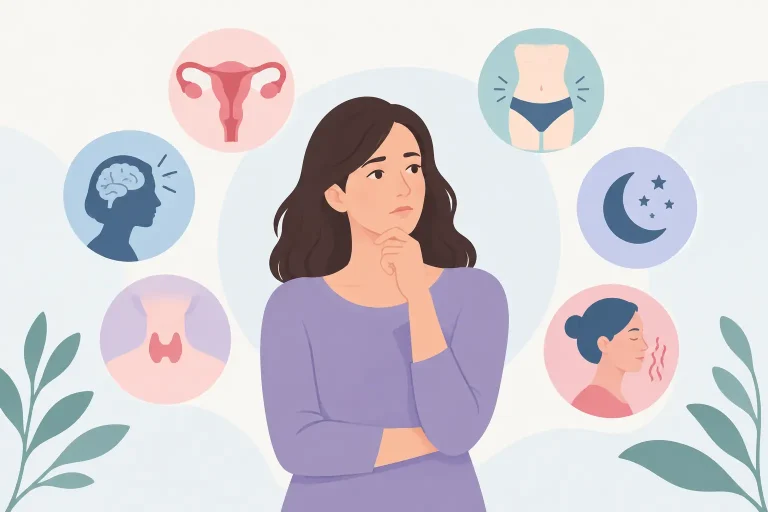
A strong treatment plan is never based on one symptom alone, but there are patterns clinicians see again and again. Women often explore BHRT because they are dealing with persistent fatigue, weight gain around the midsection, poor sleep, low sex drive, mood swings, brain fog, headaches, reduced workout recovery, or a noticeable drop in confidence.
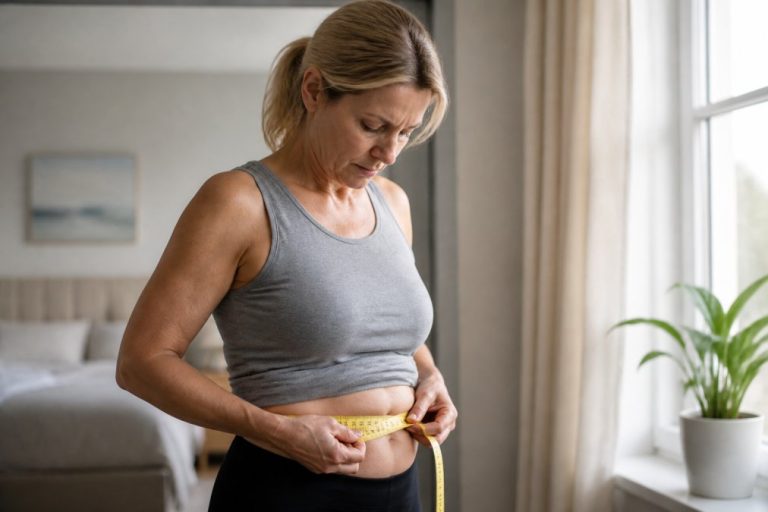
Some women are most bothered by classic menopausal symptoms like hot flashes and night sweats. Others are less concerned about temperature swings and more frustrated by what they see in the mirror – loss of muscle, increased body fat, thinning hair, dry skin, and a general sense that they look older than they feel inside.
That is one reason this therapy fits so well into a whole-body wellness model. Hormones do not operate in isolation. They affect metabolism, body composition, sleep, mood, sexual wellness, and how resilient you feel day to day.
Bioidentical hormone replacement therapy women should not treat like a trend
BHRT can be powerful, but it is not casual wellness. It should be medically supervised, thoughtfully prescribed, and adjusted over time. The best outcomes usually come from individualized care, not generic dosing and not a social media version of hormone optimization.
A proper evaluation typically includes a detailed review of symptoms, health history, current medications, and lab testing. From there, treatment options may include pellets, creams, capsules, patches, or other delivery methods depending on the hormones being used and the patient’s goals.
Pellet therapy gets a lot of attention because it offers convenience and steady delivery over time. That can be a major advantage for busy women who do not want to remember daily dosing. But it is not automatically the right fit for everyone. Some patients prefer more flexible methods that can be adjusted faster if symptoms change. This is where physician oversight matters.
What results can women realistically expect?
Women often want a simple timeline, but hormone optimization rarely works like flipping a switch. Some symptoms, especially sleep disruption, hot flashes, and mood instability, may improve relatively quickly. Body composition, strength, libido, skin quality, and energy consistency can take longer.
The strongest results usually build over time because the body is recalibrating. If a woman has also been dealing with chronic stress, poor sleep, insulin resistance, nutrient deficiencies, or low muscle mass, hormones may be one piece of the solution rather than the entire answer.
That is not a downside. It is actually the smarter way to think about treatment. When BHRT is paired with a broader strategy around nutrition, movement, weight management, and recovery, women often feel the difference more clearly and maintain it longer.
The trade-offs and risks women need to understand
Premium care should be honest care. Bioidentical hormones are not magic, and they are not appropriate for every woman. There are real considerations around personal and family history, especially with certain cancers, clotting disorders, cardiovascular risk, liver issues, and unexplained bleeding.
Even when a woman is a good candidate, dosage matters. Too little may not help. Too much can create new problems like acne, breast tenderness, fluid retention, mood changes, or unwanted hair growth depending on the hormone involved. The answer is not to avoid treatment entirely. The answer is monitoring, adjustment, and individualized follow-up.
It also depends on your goals. If your main concern is severe menopausal symptom relief, one treatment path may make sense. If you also want support for body composition, libido, and performance, the plan may look different. The best clinics do not force every woman into the same protocol because her biology, schedule, and priorities are not the same as anyone else’s.
How bioidentical hormone replacement therapy for women fits into a bigger wellness strategy
The women who get the best experience from BHRT usually stop thinking in terms of symptom control alone. They start thinking in terms of optimization. Better hormones can support better workouts, sharper focus, more stable mood, improved intimacy, and stronger confidence. But those benefits compound when treatment is part of a coordinated plan.
That may include medical weight loss support, targeted supplementation, peptide therapy, IV therapy, body composition tracking, or aesthetic treatments that help women feel externally aligned with the internal progress they are making. This is where a whole-body clinic model stands out. Instead of chasing symptoms from one provider to the next, women can build a strategy that addresses energy, metabolism, aging, and appearance together.
For many patients, convenience is part of the appeal too. If you are balancing a career, family, social obligations, and a long to-do list, fragmented care becomes one more stressor. A streamlined, physician-supervised experience makes it easier to stay consistent – and consistency is what drives results.
Who is a good candidate?
A woman may be a strong candidate for BHRT if she has ongoing hormone-related symptoms that are affecting daily life, especially during perimenopause or menopause, and if a medical evaluation supports treatment. The right candidate is not defined by age alone. She is defined by symptoms, lab insight, health history, and treatment goals.
She is also ready for a real process, not a shortcut. That means being honest about symptoms, following up when adjustments are needed, and treating hormone care as part of a long-term investment in health and confidence.
At a clinic like Thrive Health Solutions, that approach aligns with what women are already looking for – customized care, medically supervised treatment, and visible improvement in how they feel and perform. Without question, women want more than generic reassurance. They want solutions that are built for their body and their life.
The right question to ask before starting
The smartest question is not, “Do hormones work?” For the right patient, they often do. The better question is, “What kind of care will give me the safest, most personalized result?”
That shifts the focus where it belongs – on medical oversight, dosing strategy, follow-up, delivery method, and whether your provider is looking at the full picture. The goal is not to chase youth. It is to feel strong, clear, attractive, energized, and fully yourself again.
If your body has been sending signals that something is off, that is worth taking seriously. You do not have to settle for feeling depleted just because life is busy and birthdays keep coming. The most powerful next step is choosing care that treats your hormones with precision and treats you like the priority.