
A number on the scale can be frustrating. But the bigger frustration is doing what used to work – cutting calories, working out harder, skipping treats – and seeing little or no change. The best treatments for stubborn weight are not built around more punishment or another generic diet. They start by identifying what is actually standing between you and the results you want: appetite signaling, metabolic changes, hormones, muscle mass, sleep, stress, medication effects, or a combination of all of them.
For many adults, stubborn weight is not a willpower problem. It is a medical and metabolic problem that deserves a personalized, doctor-supervised strategy. The goal is not simply to get smaller. It is to feel energized, strong, confident, and in control of your health again.
Why Weight Becomes Stubborn
Weight loss often becomes more difficult with age, especially after major hormonal shifts, years of dieting, pregnancy, injury, high-stress seasons, or changes in activity. The body adapts. Hunger can increase, energy expenditure can decline, and the muscle mass that helps support a healthy metabolism may gradually decrease.
That is why a plan that worked at 28 may feel completely ineffective at 48. Women navigating perimenopause or menopause may notice changes in body composition, particularly around the midsection. Men with low testosterone may experience reduced muscle mass, lower drive, fatigue, and increased body fat. Busy professionals and parents may be operating on too little sleep while managing relentless stress, which can make consistent nutrition and exercise feel almost impossible.
There is no single treatment that is right for every person. The best plan is based on your medical history, current medications, body composition, lifestyle, goals, and lab work when appropriate. It should also be realistic enough to fit your actual life.
Best Treatments for Stubborn Weight Start With Medical Evaluation
Before selecting medication or a program, a qualified provider should look at the full picture. That includes your weight history, eating patterns, sleep quality, activity level, current prescriptions, and symptoms such as fatigue, low mood, brain fog, cravings, or changes in libido.
A body composition assessment can be especially valuable. Scale weight alone cannot tell you whether you are losing body fat, preserving lean muscle, retaining fluid, or rebuilding strength. Two people at the same weight can have very different health profiles and very different treatment needs.
A physician-guided evaluation may also identify contributors that are easy to miss. Thyroid concerns, insulin resistance, hormonal changes, untreated sleep apnea, and certain medications can all affect weight and energy. Finding a cause does not create an overnight fix, but it allows treatment to become more targeted and more effective.
GLP-1 Medical Weight Loss for Appetite and Metabolic Support
For eligible patients, GLP-1-based medications can be among the most effective modern tools for chronic weight management. These prescription medications work on pathways involved in appetite, fullness, blood sugar regulation, and food noise. Many people find that they are finally able to feel satisfied by reasonable portions instead of spending every day fighting intense hunger or constant cravings.
That distinction matters. A successful program should not make you feel like you are white-knuckling your way through every meal. It should help create enough breathing room to make better choices consistently.
GLP-1 treatment is not a shortcut, and it is not appropriate for everyone. Results depend on the medication selected, dosage, consistency, nutrition, movement, and medical factors. Side effects, including nausea, constipation, or changes in appetite, can occur, particularly as a dose is adjusted. Personalized dosing and ongoing follow-up are essential, not optional.
The strongest GLP-1 programs pair medication with accountability. A provider should monitor tolerance, progress, body composition, and changes in your needs over time. The objective is meaningful fat loss while protecting your health, energy, and lean mass.
Protect Muscle While You Lose Fat
Weight loss without attention to muscle can leave people feeling weaker, flatter, and disappointed with their body composition. Strength training, adequate protein, and a plan that supports recovery are central to a high-quality medical weight loss program.
You do not need to train like an athlete to benefit. Consistent resistance exercise, even a few focused sessions per week, can help preserve muscle and improve how your body looks and functions as fat comes off. For patients who have been stuck in cycles of aggressive dieting, this approach can be a major shift: less obsession with eating as little as possible and more focus on changing what your weight is made of.
Hormone Optimization When Symptoms Point to an Imbalance
Hormones are not a catch-all explanation for every weight concern, but they can be a meaningful part of the story. When symptoms and testing support a diagnosis, medically supervised hormone optimization may help address barriers such as low energy, poor recovery, reduced lean muscle, low libido, and changes in mood.
For men with clinically low testosterone, treatment may support healthier body composition when combined with training, nutrition, and regular medical monitoring. For women experiencing menopausal symptoms, individualized bioidentical hormone therapy may improve quality of life and make it easier to maintain healthy routines. Neither is a stand-alone weight loss drug, and neither should be prescribed solely because someone wants to lose a few pounds.
The right question is not, “Can hormones make me thin?” It is, “Are hormone changes affecting how I feel, function, recover, and maintain a healthy body composition?” When the answer is yes, an experienced clinician can help determine whether treatment is appropriate.
Nutrition That Fits Real Life
The most effective nutrition plan is not necessarily the most restrictive one. Extreme rules can create quick initial losses, followed by rebound hunger, fatigue, and frustration. Sustainable progress comes from a structure you can maintain at work dinners, family meals, travel weekends, and stressful weeks.
For many patients, the foundation is straightforward: prioritize protein, include high-fiber foods, hydrate consistently, and build meals that keep blood sugar and hunger more stable. That may mean reducing highly processed snack foods and liquid calories, but it does not require a life without enjoyment.
The details depend on the person. Someone with significant cravings may benefit from closer meal structure and medication support. Someone who under-eats during the day and overeats at night may need a different strategy than a person whose schedule makes regular meals difficult. Individualization is what turns general advice into a plan that produces results.
Adjunct Treatments Can Support a Bigger Plan
Lipotropic and B12 lipotropic injections are often used as supportive therapies within a broader wellness program. Some patients appreciate the energy support and routine that comes with these treatments, particularly when fatigue has made it difficult to stay active. They are not a replacement for nutrition, movement, or medical treatment for obesity, and they should not be marketed as a miracle fat-loss injection.
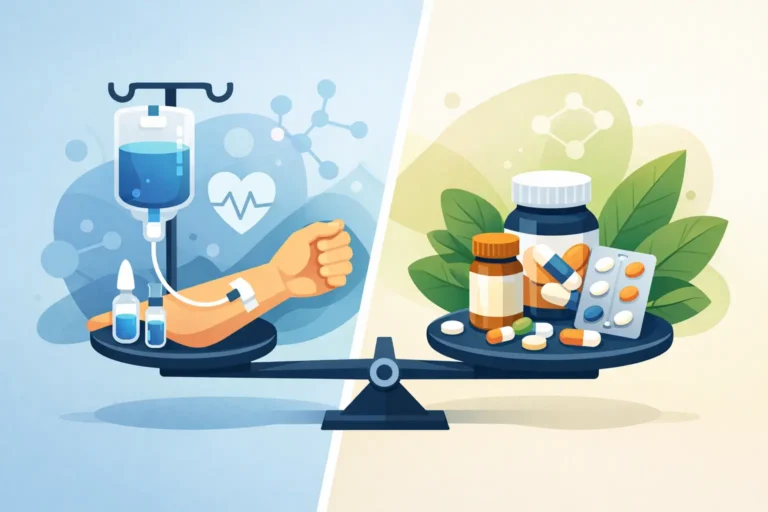
IV therapy, peptide therapies, and recovery-focused services may also have a role for select patients based on their goals and clinical needs. The key is to avoid chasing every trend. A treatment should have a clear purpose, appropriate medical oversight, and a place within your overall plan.
At Thrive Health Solutions, the advantage is having weight management, hormone care, body composition support, and wellness services under one roof. Instead of piecing together advice from multiple providers, patients can build a coordinated plan designed around how they want to look, feel, and perform.
The Treatment Plan That Delivers Lasting Change
The most successful plans are not dramatic for two weeks and abandoned by month two. They are monitored, adjusted, and built to evolve with your body. Weight plateaus can happen. Travel, holidays, stress, injuries, and hormonal transitions can change the pace. That does not mean the plan failed. It means your care should respond to what is happening now.
Look for a provider who treats you as more than a prescription refill or a scale reading. You deserve clear guidance on medication options, realistic expectations, side-effect management, nutrition, muscle preservation, and follow-up. You also deserve a plan that recognizes the difference between losing weight and truly transforming your health.
If stubborn weight has been draining your confidence, do not settle for another one-size-fits-all program. Start with answers, choose care that is medically guided, and give yourself the support to build results that feel as good as they look.