
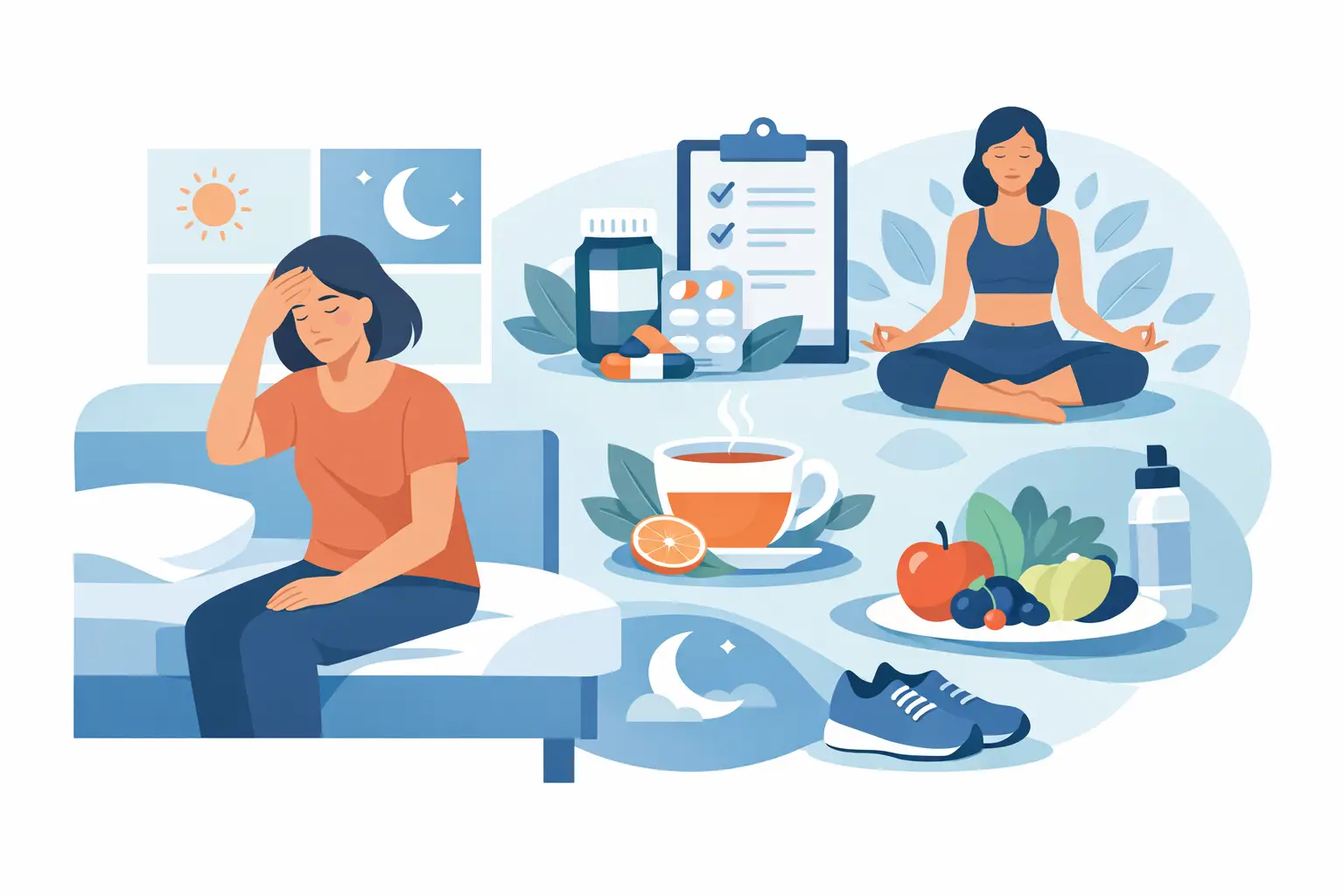
You wake up tired, push through the day on caffeine, then hit a wall by midafternoon. If that pattern feels familiar, menopause may be doing more than changing your cycle – it may be draining your energy at the source. The best treatments for menopause fatigue are not one-size-fits-all, because this kind of exhaustion is often driven by several issues at once, including hormone shifts, poor sleep, stress, low muscle mass, and nutrient gaps.
That is why quick fixes rarely deliver lasting results. Real improvement comes from identifying what is driving the fatigue, then using the right combination of medical treatment, lifestyle support, and ongoing follow-up. When care is personalized, women often notice far more than better energy. They sleep better, think more clearly, train harder, recover faster, and feel more like themselves again.
Why menopause fatigue feels so intense
Menopause fatigue is not ordinary tiredness. It can feel heavy, unmotivating, and strangely persistent, even when you are technically getting enough hours in bed. Estrogen and progesterone levels shift significantly during perimenopause and menopause, and those changes affect sleep quality, mood, body temperature regulation, metabolism, and brain function.
Hot flashes and night sweats are obvious culprits, but they are not the only ones. Progesterone tends to have a calming effect, so when it drops, sleep can become lighter and more fragmented. Estrogen also influences serotonin, blood sugar stability, and energy regulation. Add stress, busy workdays, family demands, and age-related changes in muscle mass, and it becomes clear why many high-performing women suddenly feel like their battery never fully recharges.
There is also an important reality here – fatigue can be hormonal, but it is not always only hormonal. Thyroid dysfunction, iron deficiency, low B12, insulin resistance, depression, sleep apnea, and chronic inflammation can all look like menopause-related exhaustion. That is why the most effective treatment plan starts with a real evaluation, not guesswork.
Best treatments for menopause fatigue start with hormone balance
For many women, hormone optimization is one of the best treatments for menopause fatigue because it addresses the root cause instead of masking symptoms. When estrogen and progesterone are severely fluctuating or declining, the body often struggles to regulate sleep, mood, and energy production. Restoring healthier hormone levels can make a dramatic difference.
Bioidentical hormone replacement therapy is often considered when symptoms are moderate to severe and clearly connected to menopause. The potential upside is significant. Many women report more stable energy, fewer night sweats, better sleep, improved mental clarity, and a stronger sense of physical and emotional balance. If poor sleep is driving the fatigue, hormone therapy can be especially powerful because it helps reduce the disruptions that leave you exhausted the next day.
That said, hormone therapy is not automatic for every patient. The best approach depends on your symptoms, medical history, risk factors, and treatment goals. Some women are ideal candidates and see excellent results. Others may need a modified plan or a different path altogether. Doctor-supervised care matters here because dosing, delivery method, and follow-up all influence results.
Pellet therapy, creams, and other delivery options
The form of hormone therapy matters almost as much as the decision to use it. Some women prefer pellets for convenience and consistency, while others do better with creams, capsules, patches, or other delivery systems. There is no single winner for everyone.
Pellet therapy appeals to women who want a steady release and fewer day-to-day decisions. Other methods may offer more flexibility if symptoms are still changing or if fine-tuning is needed. The key is not choosing what is trendy. It is choosing what works for your body, your schedule, and your response over time.
Sleep treatment is often the missing piece
If you are not getting restorative sleep, you will not out-supplement or out-caffeinate menopause fatigue. This is where many women get stuck. They focus on daytime energy without fixing what is happening overnight.
Night sweats, temperature swings, anxiety, and frequent waking are common in menopause, and each one chips away at recovery. Effective treatment may include hormone support, but it can also involve improving sleep hygiene, reducing evening alcohol, addressing blood sugar swings, and checking for sleep apnea if snoring, headaches, or unrefreshing sleep are part of the picture.
This is also where an individualized plan outperforms generic advice. If your fatigue is being driven mostly by hot flashes, the treatment strategy should look different than if your main issue is stress-induced insomnia or chronic early waking. Better sleep is not a side benefit. For many women, it is the turning point.
Nutrition and targeted supplementation can lift energy faster
One of the best treatments for menopause fatigue is correcting the nutritional factors that quietly make low energy worse. Midlife women are often under-eating protein, over-relying on sugar for quick energy, and running low on key nutrients that support metabolism, red blood cell production, and muscle maintenance.
Protein matters because it helps preserve lean mass, supports recovery, and keeps blood sugar more stable. Stable blood sugar means fewer crashes, less irritability, and more consistent energy through the day. Hydration matters too, especially for women dealing with night sweats or using a lot of caffeine to stay functional.
Supplements can help, but only when they match the problem. B12 may be useful when levels are low or borderline. Iron can be transformative for women with deficiency, but taking it blindly is a mistake. Magnesium may support sleep and muscle relaxation. Vitamin D is worth evaluating, especially in women with low mood, low immunity, or reduced resilience. The point is precision. Smart supplementation supports energy. Random supplementation usually wastes time and money.
When injections and IV support make sense
For women who need a faster reset, targeted medical support such as B12-based injections or IV therapy may be worth discussing as part of a broader plan. These therapies are not magic, and they do not replace fixing hormones, sleep, or nutrition. But in the right patient, they can support hydration, nutrient replenishment, and a noticeable boost in how you feel.
This is especially appealing for busy professionals and active women who want efficient, medically guided options that fit into real life. The best outcomes happen when these treatments are used strategically, not as a bandage over deeper issues.
Exercise works – but the type matters
When energy is low, intense exercise can feel impossible. That does not mean movement should disappear. It means the strategy needs to change.
Strength training is one of the most effective tools for fighting menopause fatigue because it helps preserve muscle, improve insulin sensitivity, support metabolism, and increase long-term energy capacity. Walking is underrated and often extremely effective, especially for women who are stressed, sleeping poorly, or trying to rebuild stamina without pushing their body too hard.
The trade-off is that overtraining can make fatigue worse. If you are doing hard workouts while under-slept and under-fueled, your body may respond with more exhaustion, not less. The goal is not punishment. The goal is better output, better recovery, and better function.
Stress, mood, and mental load need treatment too
Many women assume their fatigue is purely physical when it is actually being amplified by chronic stress and mental overload. Menopause often arrives during one of the busiest stages of life – career pressure, aging parents, teenagers, relationship strain, and constant performance demands. That kind of pressure can flatten energy even when labs look decent.
Cortisol disruption, anxiety, and low mood can all feed into fatigue. If your brain never powers down, your body rarely feels restored. The most effective plan may include hormone support, but it may also need stress management, nervous system support, counseling, or changes in workload and recovery habits. This is not a soft issue. It is a clinical energy issue.
What the best treatments for menopause fatigue have in common
The strongest treatment plans share one advantage – they are personalized. The woman whose fatigue comes from severe night sweats needs something different than the woman whose main issues are insulin resistance, nutrient depletion, and loss of muscle. Treating every woman the same is exactly why so many stay tired.
At a clinic like Thrive Health Solutions, this kind of care is designed to go deeper. Instead of handing out generic advice, the focus is on identifying what is off, matching treatment to the patient, and adjusting as results come in. That can include hormone optimization, nutrient support, body composition guidance, recovery-focused therapies, and a clear plan that is built around how you want to feel and function.
If menopause fatigue has been stealing your edge, the answer is not to accept it as normal aging. The right treatment can change the way you move through your day, show up for your family, perform at work, and feel in your own body. When your energy comes back, everything else gets easier.