
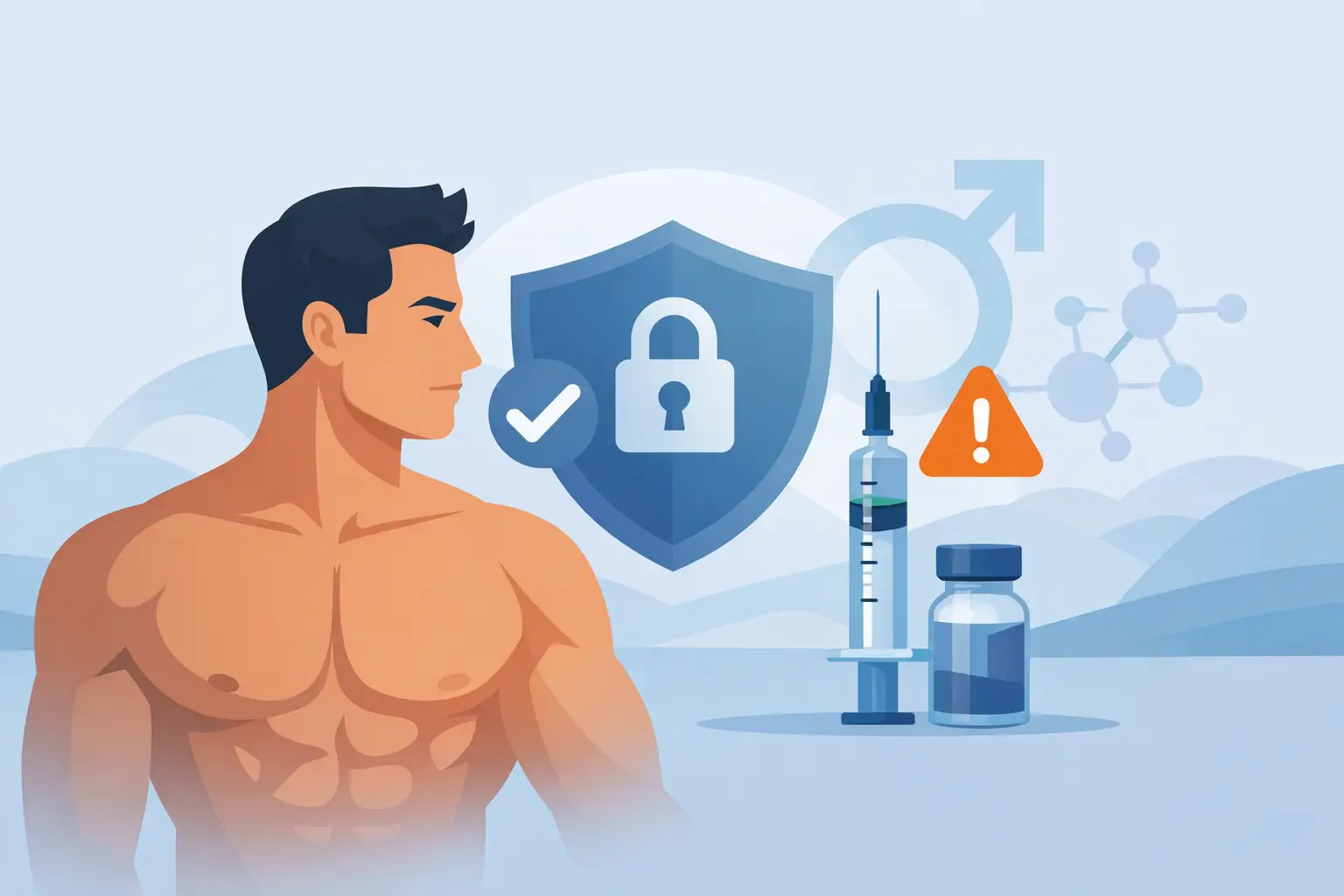
If you feel like your energy, focus, drive, and body composition have slipped at the same time, you are not imagining it. A common question men ask when they start looking into hormone therapy is, are testosterone shots safe? The short answer is yes, testosterone injections can be safe and highly effective when they are prescribed for the right patient, dosed correctly, and monitored by a qualified medical provider. The wrong dose, the wrong source, or no follow-up is where problems start.
Are testosterone shots safe when prescribed medically?
For men with clinically low testosterone, medically supervised testosterone shots are a well-established treatment option. They are not a shortcut or a one-size-fits-all fix. They are a prescription therapy designed to restore hormone levels to a healthy range and improve symptoms like fatigue, low libido, poor recovery, mood changes, reduced muscle mass, and mental fog.
Safety depends on context. A healthy treatment plan begins with lab work, symptom review, medical history, and an honest look at your goals. A man with true testosterone deficiency who is monitored consistently is in a very different situation than someone taking underground products, guessing at doses, or chasing extreme physique results.
That distinction matters. Testosterone itself is not the problem. Misuse is.
What makes testosterone injections safe or unsafe?
The biggest factor is medical oversight. Testosterone affects multiple systems in the body, including red blood cell production, estrogen balance, fertility, mood, and cardiovascular markers. That is why experienced providers do not simply hand over a vial and send you on your way.
A safe program typically includes baseline lab testing, individualized dosing, regular follow-up, and dose adjustments based on how you feel and how your numbers respond. This is where premium, physician-supervised care stands apart. You want treatment built around your biology, not a generic protocol pulled off the shelf.
On the unsafe side, there are a few common issues. One is taking testosterone when your symptoms are caused by something else, such as poor sleep, thyroid dysfunction, high stress, or depression. Another is overdosing, which can raise the risk of side effects and push levels far beyond what is therapeutic. A third is skipping monitoring altogether, which can allow preventable issues to build over time.
The real benefits men notice
When testosterone is genuinely low and treatment is appropriate, the upside can be significant. Men often report stronger energy, better motivation, improved libido, more stable mood, enhanced exercise recovery, and better maintenance of lean muscle. Some also notice improved mental clarity and confidence.
That said, testosterone shots are not magic. They work best as part of a broader strategy that includes sleep, nutrition, strength training, and stress management. If your lifestyle is working against you, injections can help, but they will not do the whole job alone.
This is one reason outcome-focused clinics take a whole-body approach. Hormone optimization tends to work best when it is integrated into the bigger picture of how you want to look, feel, and function.
Possible side effects and trade-offs
Every legitimate medical therapy has trade-offs, and testosterone is no exception. Some side effects are mild and manageable. Others need closer attention.
Common side effects can include acne, oily skin, mild fluid retention, breast tenderness from estrogen conversion, and mood shifts if levels swing too sharply between injections. Some men also develop increased red blood cell counts, which can thicken the blood if not addressed. This is one of the reasons regular lab monitoring is essential.
Fertility is another major consideration. Testosterone therapy can reduce sperm production, sometimes significantly. If you plan to have children in the near future, that needs to be part of the conversation before treatment starts. A strong provider will bring this up early, not after the fact.
There is also the issue of convenience and consistency. Injections require a schedule. Some men do great with weekly or twice-weekly dosing. Others prefer different delivery methods. The safest and most effective option is often the one you can follow reliably.
Are testosterone shots safe long term?
This is where men want a straight answer, and they should get one. For the right patient, testosterone shots can be safe long term under proper supervision. But long term safety is not about taking the same dose forever and hoping for the best. It requires ongoing evaluation.
Hormone levels can shift. Body weight can change. Sleep apnea can develop or worsen. Blood pressure, hematocrit, PSA, and estradiol may need attention over time. Long-term treatment should feel structured, not casual.
The goal is not to push testosterone as high as possible. The goal is to restore balance, reduce symptoms, and protect your health while helping you perform at a higher level. Men who do best on therapy usually treat it like a real medical program, not a hack.
Who is a good candidate?
A good candidate is usually a man with consistent symptoms of low testosterone and lab results that support the diagnosis. Symptoms matter. Numbers matter. Your medical history matters too.
Men who are especially likely to need a thoughtful evaluation include those with sleep apnea, uncontrolled heart disease, high hematocrit, prostate concerns, or fertility goals. None of these automatically rules out treatment, but they do mean you need a careful plan.
Age by itself is not the deciding factor. Some younger men have legitimate testosterone deficiency. Some older men do not need treatment at all. The best decision comes from a full clinical picture, not assumptions.
What monitoring should look like
Safe testosterone therapy is proactive. At minimum, you should expect an initial workup and regular follow-up labs. Depending on your situation, your provider may monitor total testosterone, free testosterone, estradiol, complete blood count, PSA, liver markers, and other relevant labs.
Symptoms should be tracked alongside the numbers. If your labs look perfect but you still feel flat, your plan may need refinement. If you feel great but your hematocrit is rising too much, that needs attention too. Real optimization is never just about one number on a page.
This is also where individualized care can make a dramatic difference. Cookie-cutter dosing often creates unnecessary highs and lows. Personalized treatment tends to produce better results with fewer problems.
Red flags to watch for
If you are considering testosterone shots, be cautious around any clinic or source that promises instant transformation without testing, skips a full medical review, or pushes unusually aggressive dosing. That is not premium care. That is careless care.
You should also be skeptical of programs that ignore side effects, gloss over fertility, or make treatment sound risk-free. Confident medicine is not reckless medicine. The best providers are direct about benefits and honest about what needs to be monitored.
Another red flag is buying testosterone outside of medical channels. Product quality, sterility, and dosing consistency matter. If you are putting something into your body on a regular basis, you want absolute confidence in what it is and how it is being managed.
The bottom line for men considering treatment
So, are testosterone shots safe? Yes, they can be very safe for the right patient under experienced medical supervision. They can also be extremely effective when low testosterone is truly the problem and the treatment plan is built around your body, your symptoms, and your long-term goals.
What they are not is casual. This is not a treatment to self-prescribe, copy from a friend, or manage based on guesswork. The men who see and feel the difference in the best way are the ones who take the medical side seriously.
At Thrive Health Solutions, that is exactly the standard. Individualized dosing, physician-supervised care, and ongoing follow-up are what turn testosterone therapy from a trend into a powerful tool for better energy, better performance, and better quality of life.
If low testosterone has been quietly affecting how you show up at work, in the gym, and at home, the smartest move is not to wonder about it for another year. It is to get clear answers, get properly evaluated, and choose a plan that helps you feel like yourself again – only stronger.