

Table of Contents
- Assess Your Readiness for Medical Weight Loss
- Understand Medical Weight Loss Requirements
- Questions to Ask a Weight Loss Doctor
- What to Expect in the First 30 Days of Medical Weight Loss
- Build Your Medical Weight Loss Support System
- Commit to Long-Term Success in Your Weight Loss Journey
- Conclusion
Last Updated: August 14, 2026
Assess Your Readiness for Medical Weight Loss
Starting a medical weight loss journey requires honest self-assessment before you commit to treatment. Many people approach weight loss with enthusiasm but without understanding what medical supervision actually demands. This isn’t about motivation or willpower, it’s about whether you’re prepared for the accountability, lifestyle changes, and ongoing engagement that make medical weight loss effective.
Your readiness hinges on three core questions: Are you willing to work with a healthcare provider who will monitor your progress closely? Can you commit to behavioral modifications alongside any pharmacological treatment? Do you have realistic expectations about timelines and what "success" looks like for your body?
Medical weight loss differs fundamentally from self-directed dieting or commercial weight loss programs. You’ll be under physician supervision, which means regular check-ins, vital signs monitoring, and adjustments to your treatment plan based on how your body responds. This structure works because it removes guesswork and creates accountability. But it also requires your active participation, showing up for appointments, following clinical protocols, and reporting honestly about your adherence and challenges.

Many people fail at medical weight loss not because the treatment doesn’t work, but because they weren’t ready for what it requires. At Thrive Health Solutions, patients succeed when they understand upfront that this is a partnership between you and your care team. You’re not passive. You’re not following a generic program. You’re working with doctors who will adjust your approach based on your individual response.
Before scheduling a consultation, ask yourself: Am I willing to track my food intake, attend regular appointments, and be honest about what’s not working? If the answer is yes, you’re ready to start.
Understand Medical Weight Loss Requirements
Medical weight loss operates under specific clinical protocols and regulatory frameworks that distinguish it from over-the-counter dieting. Understanding these requirements helps you know what to expect and why certain steps are non-negotiable.
The foundation of medical weight loss begins with comprehensive patient assessment. Your healthcare provider will evaluate your complete health history, current medications, metabolic markers, and any underlying conditions that might affect treatment. This assessment typically includes blood work to establish baseline vital signs and metabolic function. The goal isn’t just to measure your weight, it’s to understand your body’s unique physiology and identify any barriers to safe, effective weight loss.
Clinical protocols in medical weight loss often involve pharmacotherapy, which means medication prescribed and monitored by a licensed physician. GLP-1 agonists represent one category of medications increasingly used in supervised weight loss programs. These medications work through specific mechanisms that affect appetite regulation and metabolic function. However, they’re not appropriate for everyone, and a qualified provider must determine whether they’re suitable for your individual case.
Standard of care in medical weight loss also mandates regular follow-up appointments. Most practices recommend initial visits every 2-4 weeks, then spacing them further apart as your treatment stabilizes. During these appointments, your provider will assess your progress, monitor for any adverse effects, adjust dosages if needed, and address behavioral challenges. This ongoing relationship is what separates medical weight loss from buying a supplement online.
Documentation is another critical requirement. Your healthcare provider maintains detailed clinical documentation of your visits, your response to treatment, your vital signs over time, and any modifications made to your protocol. This documentation serves multiple purposes: it ensures continuity of care, it creates a record for insurance purposes, and it protects both you and your provider legally.
Medical weight loss requires physician oversight, regular monitoring, and clinical documentation, not because of bureaucracy, but because these elements directly improve your outcomes and safety.
Questions to Ask a Weight Loss Doctor
Asking the right questions during your initial consultation reveals whether a provider understands your specific situation and whether their approach aligns with your needs. These aren’t just courtesy questions, they’re diagnostic tools that help you evaluate the quality of care you’ll receive.
What specific assessment will you do to determine if I’m a good candidate? A thorough provider won’t assume you need medication immediately. They’ll review your health history, run appropriate labs, and explain why certain treatments are or aren’t suitable for you. If a provider recommends the same treatment for everyone, that’s a red flag.
How will we monitor my progress, and what does success look like? Success in medical weight loss isn’t just about the number on the scale. It includes metabolic improvements, changes in how you feel, reductions in weight-related health issues, and sustainable behavioral changes. A good provider will define these metrics upfront and track them throughout your journey.
What happens if I’m not responding to the current approach? Medical weight loss is iterative. If a medication isn’t working or you’re experiencing side effects, your provider should have a clear protocol for adjustment. Ask specifically how they handle situations where the initial treatment plan isn’t producing results.
What support do you provide beyond medication? The best medical weight loss programs combine pharmacotherapy with behavioral modification, nutritional counseling, or health coaching. Ask whether these services are included, how they’re delivered, and whether they’re evidence-based approaches.
How do you handle insurance and billing? This question addresses both transparency and logistics. Ask whether they file insurance claims directly, what your out-of-pocket costs will be, and whether they offer payment plans. Understanding the financial structure upfront prevents surprises later.
What’s your experience with patients like me? If you have specific health conditions, a history of failed diets, or other complicating factors, ask whether the provider has successfully treated patients with similar profiles. Their experience matters.
What happens after I reach my goal weight? This is the long-term maintenance question. Ask how the provider transitions you from active weight loss to maintenance, what ongoing support looks like, and how they help prevent weight regain.
What to Expect in the First 30 Days of Medical Weight Loss
The first month of medical weight loss sets the foundation for everything that follows. Understanding what typically happens during this period reduces anxiety and helps you prepare mentally and logistically.
Your first appointment will likely be the longest. Expect a comprehensive intake that covers your complete medical history, current medications, previous weight loss attempts, your lifestyle, your eating patterns, and your goals. The provider will ask detailed questions about what’s worked and what hasn’t. This isn’t interrogation, it’s gathering information to customize your treatment.
Initial lab work is standard practice. You’ll likely have blood drawn to establish baseline metabolic markers, thyroid function, glucose levels, and other relevant measures. These labs serve as your baseline; future labs will show whether your treatment is moving the needle on your metabolic health, not just your weight.
After the assessment, your provider will discuss findings and present a treatment plan. This is where you’ll learn whether medication is recommended, what type, and what the expected timeline looks like. They’ll also discuss behavioral modifications, dietary adjustments, physical activity, sleep, stress management, that support your medical treatment. The most effective medical weight loss programs treat medication as one tool within a larger lifestyle framework.
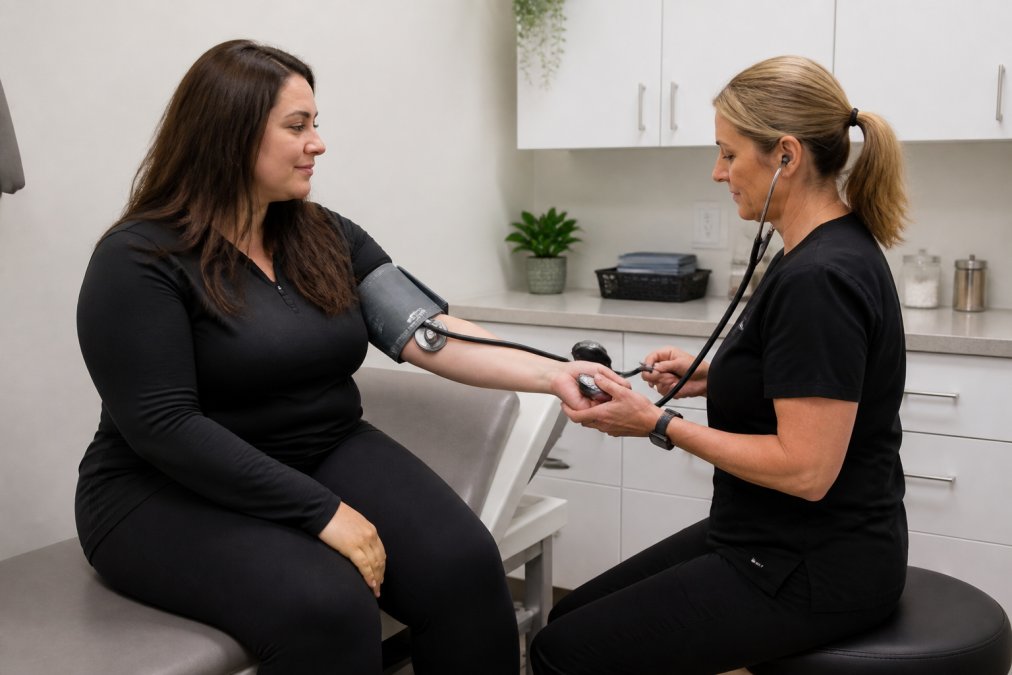
During your first 30 days, you’re establishing patterns and learning how your body responds to treatment. If medication is part of your plan, you might start at a lower dose and titrate upward. This gradual approach allows your body to adjust and helps your provider identify the optimal dose for your needs. Many people experience appetite suppression relatively quickly, but other changes, energy levels, metabolic shifts, body composition changes, take longer to manifest.
The first month is also when you’ll identify what actually works for your schedule and your life. You’ll discover which meal timing works best, which types of physical activity you can sustain, and which behavioral changes feel manageable versus overwhelming. This is real-world testing, and it’s valuable information for your provider.
If you experience significant side effects in the first 30 days, persistent nausea, unusual fatigue, or other concerning symptoms, report them immediately to your provider. These are not signs of weakness; they’re clinical data that helps your provider adjust your treatment.
Build Your Medical Weight Loss Support System
Medical weight loss succeeds when you have the right people and systems around you. This isn’t about willpower or motivation, it’s about engineering your environment to make your treatment easier to follow.
Your healthcare provider is the clinical cornerstone, but they’re not your entire support system. Consider who else needs to be involved: your primary care doctor (for coordination), your family or household members (for logistical support), potentially a therapist or counselor (for behavioral work), and possibly a nutritionist or health coach (for education and accountability).
Family and household dynamics matter significantly. If you live with people who don’t understand your medical weight loss journey, mealtimes become friction points. Have explicit conversations with family members about what you’re doing, why it matters, and how they can support you. This might mean adjusting shared meals, respecting your food choices without commentary, or simply understanding why you’re not participating in certain eating patterns you previously shared.
Accountability structures accelerate progress. Some people benefit from regular check-ins with a friend or family member. Others prefer tracking apps that provide data visualization and progress monitoring. The mechanism matters less than consistency, you need something that creates regular moments of reflection about your adherence and your results.
Many people find that connecting with others on similar journeys reduces isolation. This might be a formal support group, an online community, or simply one trusted friend who’s also doing medical weight loss. Hearing from others who’ve navigated the same challenges normalizes the experience and provides practical strategies.
Thrive Health Solutions provides medical oversight, but your success also depends on what you build around that clinical foundation. Consider what support structures already exist in your life and what gaps need filling.
Commit to Long-Term Success in Your Weight Loss Journey
The medical weight loss journey doesn’t end when you reach your goal weight. In fact, the transition from active weight loss to maintenance is where many people struggle. Long-term success requires a shift in mindset and strategy.
During active weight loss, your focus is on adherence to your treatment plan and behavioral changes. The metrics are clear: weight trending downward, vital signs improving, energy levels increasing. But maintenance is different. You’re no longer chasing a number; you’re sustaining the changes you’ve achieved and preventing regain.
Post-GLP-1 maintenance strategies deserve specific attention. If you’ve been using medication, your provider will discuss how to manage your treatment long-term. Some people maintain on the same dose indefinitely. Others reduce gradually while reinforcing behavioral patterns. The key is having an explicit plan rather than assuming you’ll automatically maintain without support.
Behavioral modification becomes increasingly important in the maintenance phase. The eating patterns and activity levels you’ve developed during active weight loss need to become genuinely sustainable, not white-knuckle discipline, but integrated into your actual life. This is where many people struggle. They lose weight successfully, then revert to previous patterns and regain.
Regular monitoring continues post-weight-loss. Most providers recommend ongoing check-ins, even if they’re spaced further apart than during active treatment. These appointments serve multiple purposes: they catch early signs of regain, they reinforce your commitment, they allow for adjustments if circumstances change, and they maintain the accountability structure that helped you succeed initially.
Many people find that their relationship with food, their body, and their health shifts fundamentally during medical weight loss. You’ve proven to yourself that change is possible. You’ve experienced what it feels like to have physician-guided, evidence-based support. You’ve built new habits. The commitment to long-term success is simply deciding to maintain these changes as a permanent shift in how you approach your health.
Individuals who’ve struggled with weight loss for years and are ready for a medically supervised approach that combines pharmacotherapy with behavioral support and ongoing provider accountability.
Starting a medical weight loss journey is a significant decision that requires honest self-assessment, realistic expectations, and a commitment to working closely with healthcare providers. The pathway forward begins with finding a qualified provider who understands your individual situation and can create a customized treatment plan. At Thrive Health Solutions, our team specializes in doctor-supervised medical weight loss that combines clinical expertise with personalized care. We assess your complete health picture, monitor your progress through regular check-ins, and adjust your treatment based on your individual response. The American Medical Association provides guidelines on obesity management that inform evidence-based practice. If you’re ready to explore whether medical weight loss is right for you, schedule a consultation to discuss your specific needs and goals. Your weight loss journey starts with that first conversation with a provider who takes your health seriously.
Frequently Asked Questions
What is the first step in starting a medically supervised weight loss plan?
The first step is a comprehensive patient assessment with a qualified healthcare provider. This includes reviewing your medical history, current medications, metabolic health markers, and body mass index. Your provider will also discuss your weight management goals, previous weight loss attempts, and any underlying health conditions. This thorough evaluation ensures your medical weight loss program is tailored to your specific needs and safe for your individual circumstances.
What should I ask my doctor before starting medical weight loss?
Ask about the specific clinical protocols your provider uses, expected timeline for results, how pharmacotherapy or other treatments work, monitoring frequency, potential side effects, and what behavioral modification support is included. Also inquire about their qualifications, how they track health outcomes, whether the program includes nutritional counseling, and what happens if you experience complications. Understanding the standard of care and long-term maintenance strategies helps you make an informed decision about your medical weight loss journey.
How quickly will I see results from medical weight loss?
Results vary based on your individual metabolism, adherence to the program, and the specific treatment approach. Many patients report noticeable changes within the first 30 days, including improved energy levels and initial weight reduction. However, sustainable medical weight loss typically progresses at 1-2 pounds per week under proper physician supervision. Your healthcare provider will monitor your progress through regular vital signs monitoring and clinical documentation to ensure you're achieving your health outcomes safely.
Does insurance typically cover medical weight loss programs?
Coverage varies significantly depending on your insurance plan and the specific treatments used. Some plans cover medically supervised weight loss when documented as medically necessary, particularly if you have weight-related health conditions. However, many plans have restrictions or require prior authorization. Contact your insurance provider directly to understand your coverage, including any billing codes associated with patient assessment, clinical protocols, and ongoing care. Your weight loss doctor's office can also help verify coverage and explain out-of-pocket costs.
This article was written using GrandRanker