Table of Contents
- Understanding the Fatigue-Libido Connection
- Hormonal Imbalance Symptoms: Fatigue and Low Libido
- When to See a Doctor for Low Libido and Fatigue
- Medical and Pharmaceutical Treatment Options
- Natural Remedies for Low Libido and Exhaustion
- Psychological and Relationship Approaches
- Creating Your Personalized Treatment Plan
- Conclusion
Fatigue and Low Libido Treatment Options: A Complete Guide
Last Updated: July 15, 2026
Fatigue and low libido are deeply interconnected. Addressing both simultaneously yields better outcomes than treating them separately. Research indicates fatigue is among the most commonly cited factors in reduced sexual desire. This guide walks you through medical, psychological, and lifestyle-based treatment options and when to seek professional evaluation.
Understanding the Fatigue-Libido Connection
Exhaustion and sexual desire operate as a bidirectional feedback loop. When your body is depleted, your brain deprioritizes sexual function in favor of recovery. Your autonomic nervous system shifts into sympathetic dominance (fight-or-flight mode), which directly suppresses the parasympathetic activation required for arousal.
Low sexual desire then triggers emotional distress and relationship tension, which worsens fatigue. You end up trapped in a cycle where each condition amplifies the other. Breaking this loop requires addressing both simultaneously.
Track your energy levels and sexual desire separately for two weeks. You’ll likely notice they move together, confirming fatigue is a root cause rather than coincidence.
How Fatigue Suppresses Sexual Desire
Exhaustion depletes the neurochemicals required for arousal. Dopamine, norepinephrine, and testosterone all drop when your body is in chronic recovery mode. Sleep deprivation compounds this dramatically, even one week of poor sleep reduces testosterone by 10-15% in men and disrupts estrogen cycling in women.
The Feedback Loop: Why Low Libido Worsens Fatigue
When sexual desire drops, many people experience guilt or relationship conflict. This emotional stress triggers cortisol elevation, which further suppresses reproductive hormones and deepens fatigue. Additionally, reduced sexual activity means you lose one of your body’s most effective stress-relief mechanisms.
Ignoring the fatigue-libido loop often leads to relationship deterioration within 6-12 months as partners may interpret rejection as personal rather than physiological.
Hormonal Imbalance Symptoms: Fatigue and Low Libido
Hormonal dysfunction is the most common medical cause of concurrent fatigue and reduced sexual desire. Your endocrine system controls both energy metabolism and sexual function through overlapping pathways. The key hormones involved are testosterone, estrogen, progesterone, and thyroid hormones. A GP consultation should always include hormone screening when both fatigue and low libido are present.
Testosterone and Estrogen Deficiency
Testosterone drives sexual desire in both sexes and supports energy production and muscle maintenance. In men, testosterone naturally declines about 1% annually after age 30. In women, testosterone drops sharply after menopause but also declines gradually throughout reproductive years.
Low testosterone produces a specific symptom cluster: reduced libido, fatigue, difficulty concentrating, mood changes, and reduced muscle mass. Estrogen deficiency, particularly in menopausal women, creates bone-deep exhaustion unrelieved by sleep, accompanied by vaginal dryness that makes sexual activity uncomfortable. Testing testosterone and estrogen levels is straightforward and should be among the first steps when both fatigue and low libido appear.
Thyroid and Endocrine System Dysfunction
Thyroid hormones regulate your metabolic rate, essentially how much energy your cells produce. Hypothyroidism (low thyroid function) causes profound fatigue, weight gain, cold sensitivity, and reduced sexual desire. Thyroid hormones influence dopamine and serotonin, both critical for sexual motivation. Hypothyroidism also increases prolactin, a hormone that actively suppresses sexual desire.
Thyroid screening via TSH and free T4 levels should be routine when evaluating fatigue and low libido together. Other endocrine conditions, adrenal insufficiency, PCOS in women, and pituitary disorders, also produce this symptom combination.
Hormone imbalances are medical conditions, not character flaws. Screening takes one blood test. Waiting months hoping symptoms resolve delays treatment that could restore both energy and sexual function.
When to See a Doctor for Low Libido and Fatigue
Concurrent fatigue and low libido warrant professional evaluation. These symptoms can indicate treatable medical conditions that worsen without intervention.
Red Flags Requiring Clinical Evaluation
Certain presentations indicate you need urgent medical assessment:
- Sudden onset: Libido or energy dropped sharply within weeks
- Severity: Fatigue prevents normal daily functioning; sexual dysfunction is causing relationship crisis
- Associated symptoms: Night sweats, unexplained weight changes, mood disturbance, cognitive fog
- Recent medication changes: New prescriptions often suppress libido or energy
- Duration: Symptoms have persisted for more than 3 months despite sleep and stress management improvements
- Age context: Sudden changes in men under 50 or women under 40
- Physical symptoms: Pain during intercourse, erectile dysfunction, vaginal dryness
Any of these warrants scheduling a GP consultation rather than attempting self-treatment.
What to Expect During Your GP Consultation
A thorough GP visit typically includes history taking about symptom onset, severity, relationship context, stress levels, and sleep quality. Your doctor will review medications, as many common ones suppress libido or cause fatigue. Physical examination includes blood pressure and weight assessment.
Blood work includes hormone panels (testosterone, estrogen, prolactin), thyroid function (TSH, free T4), complete blood count, metabolic panel, and vitamin levels (B12, vitamin D, iron). If initial workup suggests specific conditions, your GP may refer you to an endocrinologist, cardiologist, or sex therapist.
This process typically takes 2-3 weeks from initial appointment to receiving results.
Medical and Pharmaceutical Treatment Options
Once underlying causes are identified, several evidence-based medical treatments address fatigue and low libido directly.
Hormone Therapy and Testosterone Replacement
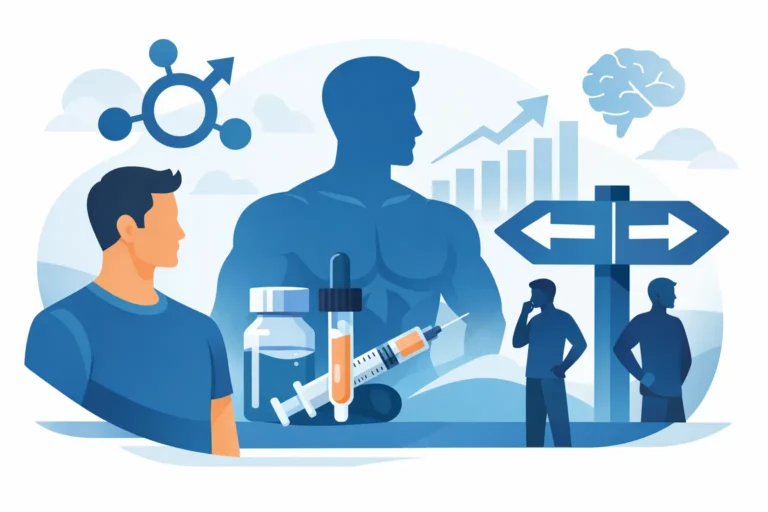
Hormone therapy restores hormone levels to normal ranges, directly addressing the hormonal basis of fatigue and low libido. Testosterone replacement in men with documented deficiency improves sexual desire, energy, mood, and muscle mass within 4-8 weeks of starting treatment.
Testosterone can be delivered via injection, gel, patch, or pellet implant. Injectable testosterone (typically given weekly) is most cost-effective. Topical gels offer steady dosing but require daily application. Pellets provide consistent levels for 3-6 months but require a minor surgical implant.
For women, bioidentical hormone replacement combining estrogen and progesterone addresses menopausal fatigue and low libido. Some women also benefit from low-dose testosterone replacement, which improves sexual desire without virilizing effects when dosed appropriately. The key to successful hormone therapy is finding the right dose for your individual physiology.
Hormone therapy works best for patients with documented hormone deficiency and no contraindications to hormone use. It’s particularly effective for menopausal women and men over 50 with low testosterone.
FDA-Approved Medications for Sexual Dysfunction
Flibanserin (Addyi) is an oral medication for women with hypoactive sexual desire disorder. It increases dopamine and norepinephrine while decreasing serotonin, shifting brain chemistry toward sexual motivation. About 25% of women report meaningful improvement in desire.
Bremelanotide (Vyleesi) is an injectable medication administered 45 minutes before sexual activity. It activates melanocortin receptors in the brain, directly triggering arousal.
Phosphodiesterase-5 inhibitors (sildenafil/Viagra, tadalafil/Cialis, vardenafil/Levitra) improve blood flow to genital tissue, facilitating arousal in both men and women. Each medication suits different situations based on your specific presentation and preferences.
Managing Medication Side Effects
Many medications cause fatigue or suppress libido as side effects. Antidepressants (particularly SSRIs), blood pressure medications, antihistamines, and some hormonal contraceptives frequently produce these effects.
If you suspect your medication is causing symptoms, don’t stop taking it. Instead, discuss alternatives with your prescriber. Often, switching to a different medication in the same class eliminates the side effect. For example, bupropion and mirtazapine actually improve sexual function compared to SSRIs. Dosage adjustment or taking medication at a different time of day can also reduce side effects.
Natural Remedies for Low Libido and Exhaustion
Lifestyle modifications address root causes of fatigue and low libido without pharmaceutical intervention. These work best when symptoms stem from modifiable factors: poor sleep, chronic stress, sedentary behavior, or nutritional deficiency.
Lifestyle Modifications and Energy Management
Exercise increases testosterone, improves cardiovascular function, enhances mood, and improves sleep quality. Resistance training is particularly effective for boosting testosterone. Even 20-30 minutes of moderate activity 3-4 times weekly improves energy and libido within 2-3 weeks.
Nutrition affects hormone production and energy metabolism. Adequate protein supports hormone synthesis. Healthy fats (omega-3s, saturated fats) are essential for hormone production. Micronutrient deficiencies, particularly zinc, iron, B vitamins, and magnesium, directly impair sexual function and energy.
Weight management improves sexual function and energy. Even 5-10% weight loss often produces noticeable improvements in both.
Alcohol reduction improves sleep quality and energy. Limiting to 1-2 drinks per day improves both fatigue and sexual function within 2-3 weeks.
Stress reduction lowers cortisol, which directly suppresses sexual hormones and worsens fatigue.
Sleep Hygiene and Recovery Protocols
Sleep is where your body produces hormones and restores energy. Poor sleep directly causes both fatigue and low libido.
Consistent sleep schedule trains your circadian rhythm. Going to bed and waking at the same time daily improves sleep quality and hormone production within 1-2 weeks.
Sleep environment optimization matters significantly. Your bedroom should be dark, cool (65-68°F is optimal), and quiet. Remove screens and blue light sources.
Pre-sleep routine signals your nervous system to transition toward parasympathetic activation. Avoid screens 30-60 minutes before bed, as blue light suppresses melatonin production.
Avoid sleep disruptors in the hours before bed: caffeine after 2 PM, large meals within 3 hours of sleep, intense exercise within 3 hours of bedtime, and alcohol.
Most people see improved energy within 3-5 days of implementing these changes. Sexual function improvements typically follow within 2-3 weeks.
If you’re waking multiple times nightly or never feeling rested, sleep apnea may be present. A simple sleep study can identify this and treatment often resolves both fatigue and low libido.
Psychological and Relationship Approaches
Fatigue and low libido often have psychological and relational dimensions even when hormonal factors are present. Addressing these components prevents symptom recurrence after medical treatment.
Cognitive Behavioral Therapy and Psychosexual Counseling
Cognitive behavioral therapy (CBT) for sexual dysfunction identifies thought patterns and behaviors that suppress desire. Psychosexual counseling specifically addresses sexual concerns through education, communication exercises, and behavioral techniques.
Common interventions include sensate focus exercises, non-goal-oriented physical touch that rebuilds intimacy without performance pressure. Most couples report improved sexual function within 4-6 weeks of consistent practice.
Communication training helps partners discuss sexual needs and preferences. Structured dialogue dramatically improves sexual satisfaction.
Cognitive restructuring addresses shame, guilt, or negative beliefs about sexuality that suppress desire. Identifying and challenging these removes psychological barriers to arousal.
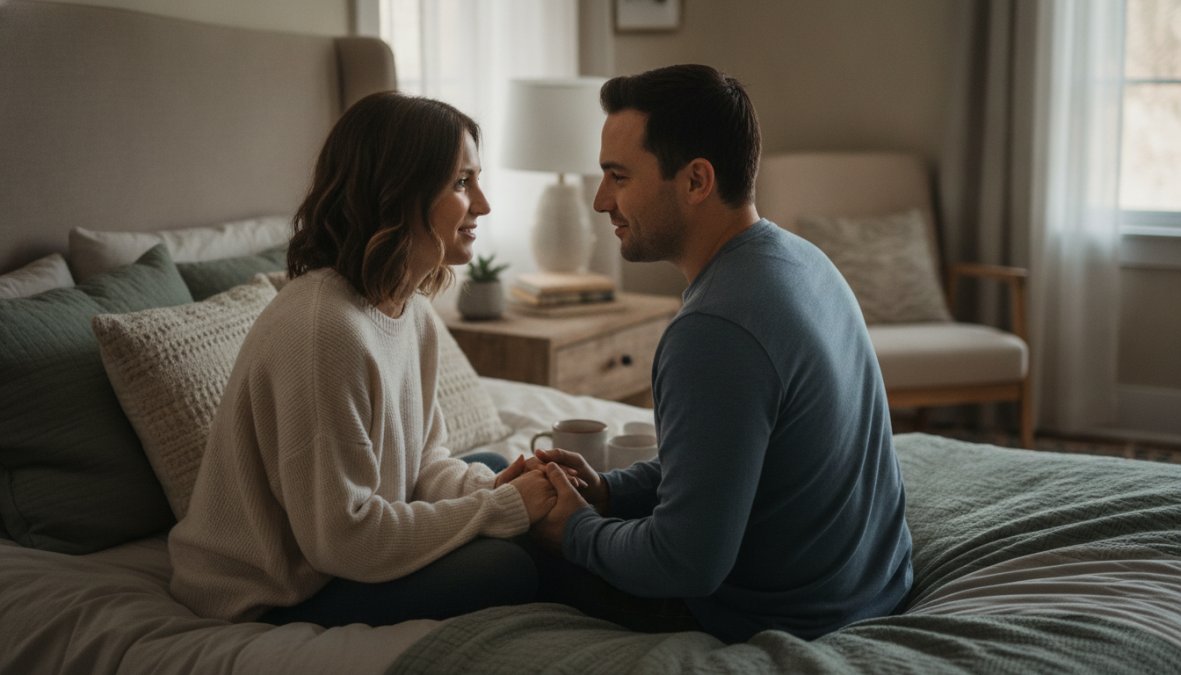
Psychosexual counseling is most effective when combined with medical treatment.
Stress Management and Mindfulness
Chronic stress elevates cortisol, which directly suppresses testosterone and other sexual hormones while worsening fatigue.
Mindfulness meditation reduces stress reactivity and improves present-moment awareness during sexual activity. Even 10 minutes daily improves stress markers within 2 weeks.
Breathing exercises activate the parasympathetic nervous system rapidly. Slow, deep breathing (6-8 breaths per minute) shifts your physiology from stress response to recovery mode.
Progressive muscle relaxation identifies where you hold stress physically and releases it systematically.
Time boundaries protect recovery. Setting work hours and protecting sleep time prevent chronic stress accumulation.
Creating Your Personalized Treatment Plan
Effective treatment addresses your specific combination of causes rather than applying a generic protocol.
Step 1: Medical evaluation. Schedule a GP appointment and get baseline testing. This identifies hormonal, metabolic, or medication-related causes.
Step 2: Medication review. If current medications could be contributing, discuss alternatives with your prescriber.
Step 3: Lifestyle foundation. Implement sleep, exercise, nutrition, and stress management changes. These take 2-4 weeks to show effects.
Step 4: Medical treatment. If testing shows hormone deficiency or other medical causes, begin appropriate treatment.
Step 5: Psychological support. If anxiety, shame, or relationship issues are present, add therapy.
Step 6: Monitoring and adjustment. Reassess after 6-8 weeks. Your doctor adjusts treatment based on your response.
| Treatment Component | Timeline to Effect | Best Combined With |
|---|---|---|
| Sleep optimization | 3-5 days | All other treatments |
| Exercise | 2-3 weeks | Nutrition, stress management |
| Hormone therapy | 4-8 weeks | Sleep, stress management |
| Medication adjustment | 1-4 weeks | Therapy if psychological factors present |
| Psychosexual counseling | 4-6 weeks | Hormone therapy if deficiency present |
| Stress management | 2-4 weeks | All other components |
Patience is essential; meaningful change takes weeks, not days. Combining approaches produces faster and more complete recovery than any single intervention.
Fatigue and low libido treatment options require honest assessment of your situation. Both conditions respond well to targeted intervention. The challenge is identifying what’s actually causing your symptoms rather than guessing.
Thrive Health Solutions specializes in comprehensive evaluation and personalized treatment of fatigue and sexual dysfunction. Our doctor-supervised approach includes bioidentical hormone replacement, medication optimization, and integrated lifestyle protocols. Whether your symptoms stem from hormonal imbalance, medication side effects, or lifestyle factors, our team identifies the root cause and designs a treatment plan matching your specific needs.
Book your consultation with Thrive Health Solutions today to begin restoring your energy and sexual vitality.
Frequently Asked Questions
Can fatigue cause low libido?
Yes, fatigue and low libido are closely interconnected. When your body lacks energy, your brain deprioritizes sexual desire to conserve resources. Chronic exhaustion reduces hormone production, decreases blood flow to sexual organs, and depletes neurotransmitters needed for arousal. The relationship works both ways: low libido can also reduce intimate activity, leading to emotional disconnection and worsening fatigue. Addressing underlying fatigue is often essential for restoring sexual function.
What medical conditions cause both fatigue and low libido?
Several conditions produce both symptoms simultaneously. Hormonal imbalance, including low testosterone, estrogen deficiency, and thyroid dysfunction, commonly causes both. Depression, anxiety, and other mental health conditions frequently present with fatigue and sexual dysfunction. Chronic conditions like diabetes, heart disease, and autoimmune disorders also reduce energy and libido. Sleep disorders, medication side effects, and nutritional deficiencies round out the list. A clinical evaluation can identify which underlying health condition requires treatment.
How does hormone therapy help with fatigue and low libido treatment?
Hormone therapy, including testosterone replacement therapy and bioidentical hormone replacement, restores hormone levels that decline with age or illness. Adequate testosterone and estrogen improve energy metabolism, enhance mood, and directly increase sexual desire. These hormones regulate sleep quality, support muscle function, and optimize endocrine system performance. Hormone therapy options vary by gender and individual needs, a doctor-supervised approach ensures safe dosing and monitoring of results and side effects.
What lifestyle changes most effectively boost energy and sexual desire?
Prioritize sleep hygiene by maintaining consistent sleep schedules and creating a restful environment, poor sleep is a major driver of both fatigue and low libido. Regular moderate exercise improves cardiovascular function, hormone balance, and mood. Reduce stress through mindfulness, meditation, or therapy, as chronic stress suppresses sexual desire. Limit alcohol and improve nutrition to support energy levels. Strengthen intimacy and emotional connection with your partner through open communication. These modifications work synergistically and often complement medical treatments for better results.
This article was written using GrandRanker