A scale can tell you that your weight changed. It cannot tell you whether you lost body fat, built lean muscle, retained water, or simply had a salty dinner. That is where body composition analysis changes the conversation. For anyone serious about weight loss, strength, energy, confidence, or healthy aging, the number on the scale is only one small part of the picture.
When your goal is to look better, feel stronger, and function at a higher level, guessing is not a strategy. Your body deserves a plan built around measurable data, medical insight, and progress that goes far beyond a single weigh-in.
What Is Body Composition Analysis?
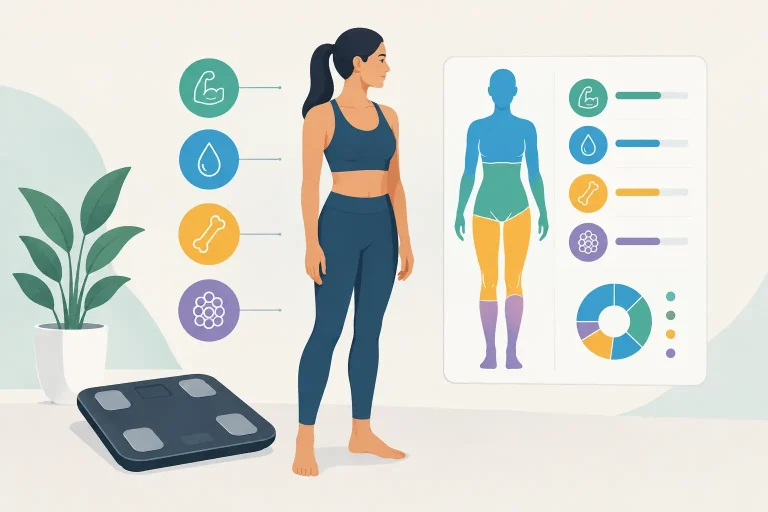
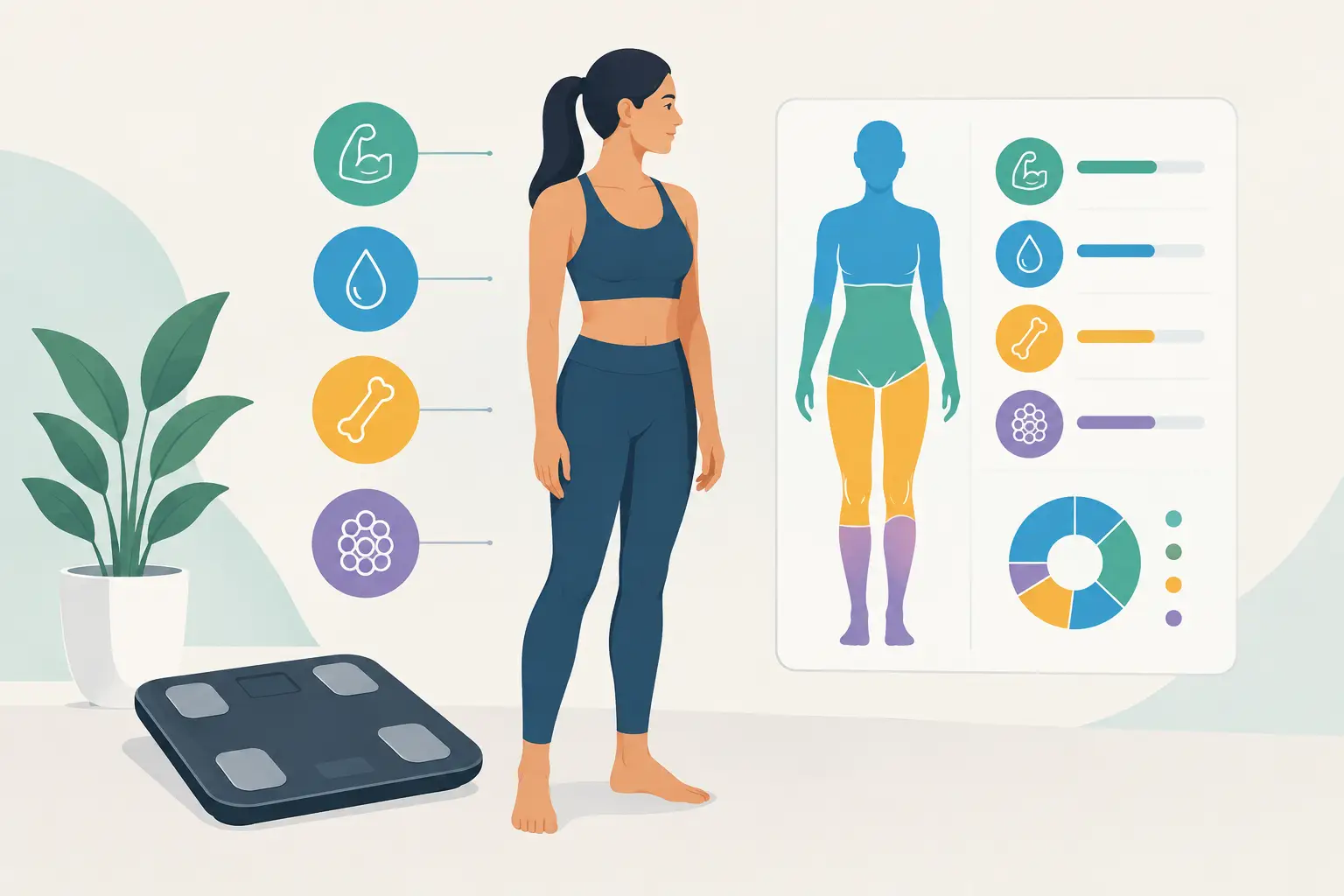
Body composition analysis measures what your body is made of. Rather than focusing only on total body weight, it estimates the proportion of fat mass, lean mass, body water, and, depending on the technology used, other health-focused metrics such as visceral fat and metabolic rate.
This distinction matters. Two people can weigh the same amount and wear completely different clothing sizes, have different energy levels, and face very different health risks. One may carry more muscle and less body fat. The other may have lower muscle mass and a higher percentage of fat around the midsection. The scale treats those bodies as identical. Your health plan should not.
For many adults, especially during midlife, body composition reveals the reason progress feels stalled. You may be exercising consistently, eating more intentionally, and still seeing little movement on the scale. If you are adding or preserving lean mass while reducing fat, that can be excellent progress – even when your total weight is slow to change.
Why the Scale Can Be Misleading
Weight fluctuates for reasons that have nothing to do with fat gain. Hydration, sodium intake, digestion, menstrual cycles, sleep quality, stress, travel, and workout recovery can all influence the number you see in the morning.
That does not mean weight is meaningless. It is one useful data point. The problem begins when it becomes the only data point. When the scale dictates your confidence or your next decision, you may make choices that work against your actual goals – eating too little, overtraining, or abandoning a program that is producing meaningful changes beneath the surface.
Body composition analysis creates a more honest scorecard. It helps distinguish between the weight you want to lose and the lean tissue you want to protect. That is particularly valuable for people using medically supervised weight loss treatments, including GLP-1 medications. Weight loss is not automatically the same as fat loss. A strong program should prioritize fat reduction while supporting muscle, nutrition, recovery, and long-term metabolic health.
The Numbers That Matter Most
A quality assessment may provide several measurements. The most useful ones are interpreted together, not in isolation.
Body fat percentage estimates how much of your total body weight comes from fat tissue. Healthy ranges vary by age, sex, medical history, and individual goals. The aim is not to chase an arbitrary lowest number. It is to reduce excess body fat in a way that supports your strength, hormones, appearance, and health.
Lean body mass includes muscle, organs, bone, and body water. While it is not a direct measure of muscle alone, following this number over time can help show whether you are preserving the tissue that supports mobility, metabolism, performance, and a toned physique.
Visceral fat refers to fat stored deeper in the abdomen around internal organs. Unlike the fat you can pinch beneath the skin, visceral fat is more closely associated with cardiometabolic health concerns. Reducing it can be a powerful goal, even before dramatic changes show up in the mirror.
Body water can affect how you look and how much you weigh from one day to the next. It also helps explain why a single measurement should never be treated as a verdict. Consistent testing conditions make trends more meaningful.
Some body composition tools also estimate basal metabolic rate, the calories your body uses at rest. This can be helpful context, but it is an estimate, not a prescription. Your actual needs depend on activity level, sleep, medications, hormone health, food intake, and far more than one machine can capture.
How Body Composition Analysis Supports Better Weight Loss
The best weight loss plan is not the one that produces the fastest drop on the scale. It is the one you can sustain while helping you feel energized, capable, and proud of what you see in the mirror.
Body composition testing gives your provider a baseline before treatment begins. From there, repeat measurements can show whether your plan is moving in the right direction. If body fat is decreasing and lean mass is holding steady, your strategy is likely doing what it should. If lean mass is dropping quickly, it may be time to reassess protein intake, resistance training, calorie targets, recovery, or medication dosing.
This is where physician-guided care stands apart from generic apps and crash diets. The goal is not simply to make you smaller. The goal is to improve your body in a way that supports your health and the life you want to live.
For patients using GLP-1 medical weight loss programs, this level of oversight is especially valuable. Reduced appetite can make it easier to eat less, but it can also make it harder to consume enough protein and essential nutrients without a deliberate plan. Monitoring body composition helps ensure that your results are not just visible, but smart.
Hormones, Muscle, and the Midlife Shift
Stubborn weight gain is not always a willpower issue. Hormonal changes can affect where your body stores fat, how easily you build muscle, your sleep, mood, appetite, and recovery. Men and women often notice these shifts in their 30s, 40s, and beyond, even when their habits have not changed dramatically.
Low testosterone, perimenopause, menopause, thyroid concerns, chronic stress, and poor sleep can all influence body composition. That is why a personalized plan may include more than nutrition coaching and exercise advice. When appropriate, medical evaluation and hormone optimization can address factors that may be working against your efforts.
More muscle is not just about looking athletic. Lean mass supports strength, balance, glucose management, and a more resilient metabolism. As we age, protecting muscle becomes one of the most important investments we can make in long-term independence and quality of life.
How to Get the Most Accurate Results
Body composition analysis is most valuable when you compare like with like. Test under similar conditions whenever possible: at roughly the same time of day, with similar hydration, and before a large meal or intense workout. Do not panic over a single reading that seems off. Look for patterns over several weeks or months.
It is also wise to keep your expectations grounded. Most noninvasive body composition methods provide estimates, and every method has limitations. Hydration status, recent exercise, and the device itself can influence results. The real value is not perfection. It is tracking consistent trends and using them to make better decisions.
Pair your measurements with other signs of progress: waist circumference, how your clothes fit, strength in the gym, sleep quality, energy, lab work, and confidence. The strongest transformation is one you can see, feel, and maintain.
Turn Data Into a Personal Strategy
A body composition report is only useful if it leads to action. At Thrive Health Solutions, it can become the foundation for a more personalized approach to medical weight loss, hormone support, performance, and healthy aging.
If your results show elevated body fat, your plan may focus on nutrition, GLP-1 support when medically appropriate, movement, and sustainable habits. If lean mass is lower than expected, resistance training, protein strategy, recovery, and hormone evaluation may deserve more attention. If visceral fat is a concern, the focus may shift toward the metabolic factors that matter most for your long-term health.
You do not need to punish your body into changing. You need clear information, the right support, and a plan built for your physiology. Start with the data that tells the truth, then give yourself the opportunity to see and feel the difference.