
Table of Contents
- Understanding Testosterone Replacement Therapy and Natural Hormone Optimization
- How TRT and Natural Hormone Optimization Differ
- Testosterone Replacement Therapy Benefits and Risks
- Natural Ways to Increase Testosterone Without Medication
- Low Testosterone Treatment Options: Which Path Is Right for You
- TRT Alternatives and Combination Approaches
- Making Your Decision: Diagnosis, Timeline, and Next Steps
- Frequently Asked Questions
Last Updated: October 10, 2026
Understanding Testosterone Replacement Therapy and Natural Hormone Optimization
Testosterone replacement therapy (TRT) is a medical treatment that uses prescribed hormones to restore testosterone levels in individuals with clinically low testosterone, while natural hormone optimization focuses on lifestyle interventions and non-pharmaceutical approaches to support the body’s own hormone production. The distinction matters because they operate on fundamentally different principles and carry different timelines, costs, and risk profiles. (Source: guidelines from the Endocrine Society)
Most patients arrive confused about what separates doctor-prescribed treatment from self-directed strategies. The answer depends on your specific situation, test results, and commitment level.
Testosterone affects energy, libido, mood, muscle maintenance, and bone health. When levels decline, symptoms range from subtle fatigue to significant functional decline. The question is how to address it.
If you’re experiencing fatigue, low libido, or mood changes, get blood work done before choosing a path. Guessing about your hormone levels wastes months and money. A simple blood test revealing your actual testosterone levels transforms the entire conversation.
How TRT and Natural Hormone Optimization Differ
TRT introduces external hormones via injections, gels, creams, or pellets. Natural optimization maximizes your body’s own production through lifestyle changes and supplementation.
TRT delivers consistent, measurable hormone levels. Natural approaches are less predictable because testosterone production depends on genetics, age, and factors beyond your control.
TRT produces noticeable improvements within 2-4 weeks. Natural optimization requires 8-12 weeks, and many abandon it before seeing results.
TRT requires ongoing medical supervision, blood work, and medication costs. Natural optimization is free but demands sustained discipline.
Testosterone Replacement Therapy Benefits and Risks
Testosterone replacement therapy can deliver significant benefits for individuals with clinically confirmed low testosterone, but these benefits come with real trade-offs that deserve honest discussion before starting treatment.
Established Benefits
Improved energy appears within 2-4 weeks. Enhanced libido and erectile function follow within 4-8 weeks. Mood stabilization and increased lean muscle mass develop over 3-6 months with consistent training.
Cardiovascular and Metabolic Risks
TRT can raise LDL cholesterol and triglycerides while lowering HDL cholesterol, increasing cardiovascular risk. Lower doses have less impact on lipids than higher doses.
Reproductive and Fertility Implications
The most significant trade-off: exogenous testosterone suppresses sperm production. When external testosterone is introduced, the pituitary stops signaling the testes to produce testosterone and sperm, called hypothalamic-pituitary-gonadal (HPG) axis suppression.
Sperm production drops dramatically within 2-3 months; some men become azoospermic within 6 months.
If you plan biological children or are uncertain about fertility goals, discuss these options before starting TRT:
-
Sperm banking: Freezing sperm before starting TRT preserves your fertility option indefinitely. This is the most reliable approach for men who definitely want biological children while on long-term TRT.
-
Delaying TRT: If you’re in your 20s or 30s and want children soon, pursuing natural optimization or deferring TRT until after you’ve fathered children may be preferable.
-
Fertility medications: Compounds like human chorionic gonadotropin (hCG) or selective estrogen receptor modulators (SERMs) can sometimes preserve or restore sperm production while on TRT, but this requires specialized expertise and adds complexity to treatment.
-
Accepting the trade-off: Some men decide that the quality-of-life benefits of TRT outweigh the fertility risk, especially if they don’t plan to have more children or have already completed their family.
This is not a minor side effect, it’s a fundamental alteration of reproductive capacity that deserves serious consideration before treatment begins.
Prostate and Cancer Concerns
The relationship between testosterone and prostate cancer remains debated in medical literature.
Testicular Atrophy
Testicular atrophy occurs because the testes are no longer stimulated to produce testosterone. Testicular volume typically decreases 20-30% within the first few months, usually reverses after stopping TRT, but can be psychologically distressing.
Other Side Effects
Acne is common, particularly in men prone to acne or on higher doses. Mood swings can occur during dose adjustments. Sleep apnea can worsen in men on TRT, particularly those who are overweight.
Long-Term Outcomes and Uncertainty
TRT is a long-term commitment. Most patients continue indefinitely because stopping results in testosterone returning to previous low levels within weeks. This requires ongoing medical management, blood work, and medication for years or decades.
Long-term safety beyond 5-10 years remains uncertain. Most studies follow men 1-3 years; 20-30 year data is limited. You’re accepting unknown long-term risk for known short-term benefits.
If you have untreated sleep apnea, polycythemia (elevated red blood cell count), a history of blood clots or stroke, or existing prostate cancer, TRT carries additional risks and may not be appropriate. If you have plans to father children in the near future, fertility preservation should be discussed before starting therapy. Get comprehensive screening and an honest conversation about your specific risk factors before beginning treatment.
Natural Ways to Increase Testosterone Without Medication
Natural hormone optimization centers on three pillars: sleep quality, strength training, and nutrition. These aren’t supplements or trendy protocols, they’re foundational behaviors that directly influence testosterone production.
Sleep is non-negotiable. Testosterone production peaks during deep sleep. Adults sleeping 5-6 hours show testosterone 10-15% lower than those sleeping 7-9 hours.
Heavy compound movements (squats, deadlifts) stimulate testosterone release. Three to four sessions weekly with progressive resistance produces measurable changes over 8-12 weeks.
Adequate protein (0.8-1 gram per pound of body weight), sufficient calories, and micronutrients like zinc and vitamin D support testosterone synthesis. Severe calorie restriction and excessive alcohol suppress it.
Natural optimization works best for mildly low testosterone (250-400 ng/dL) with mild symptoms. At 150 ng/dL with severe symptoms, natural approaches alone may be insufficient.
Low Testosterone Treatment Options: Which Path Is Right for You
The decision hinges on three factors: your testosterone level, symptom severity, and long-term commitment.
Testosterone below 300 ng/dL with significant symptoms warrants TRT consideration. Natural approaches alone rarely suffice at this level.
Testosterone 300-500 ng/dL with mild to moderate symptoms deserves a 12-week trial of natural optimization. Many men see substantial improvement without medication.
Testosterone above 500 ng/dL with fatigue or mood issues suggests the problem isn’t testosterone. Investigate sleep disorders, thyroid function, or depression instead.
If you need improvement within weeks, TRT delivers faster results. If you can commit to 3-4 months of disciplined lifestyle change, natural optimization offers fewer complications.
The best choice isn’t the one that works for most people. It’s the one that matches your actual hormone levels, your symptom severity, and your capacity for long-term commitment. A 45-year-old with testosterone at 200 ng/dL and severe fatigue needs a different approach than a 48-year-old with testosterone at 420 ng/dL and mild symptoms.
::: Tailoring these interventions requires a functional medicine approach to distinguish between temporary physiological imbalances and the need for permanent clinical replacement.
TRT Alternatives and Combination Approaches
Thrive Health Solutions specializes in bioidentical hormone therapy and innovative delivery methods like Peptide Film.
Combination approaches work for some patients: aggressive natural optimization plus addressing underlying health issues, then adding modest TRT if needed after 8-12 weeks.
Peptide therapy stimulates your body’s own hormone production rather than replacing hormones directly.
Making Your Decision: Diagnosis, Timeline, and Next Steps
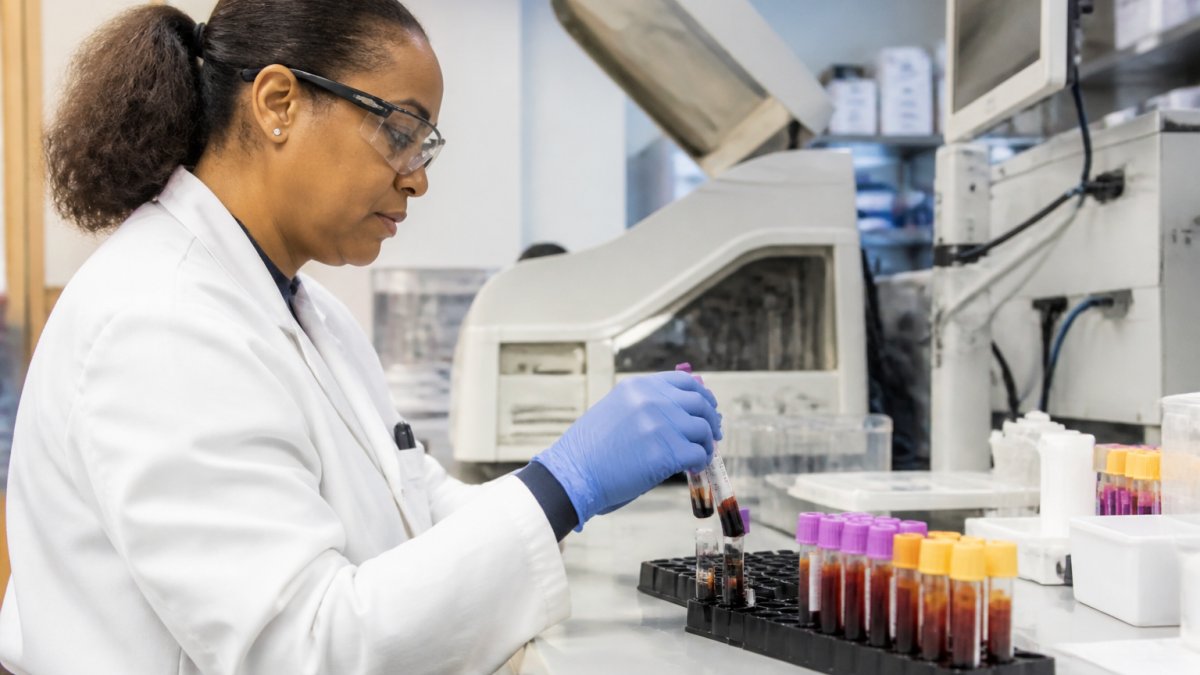
Accurate diagnosis is the foundation of any testosterone treatment decision. A single blood test can mislead; proper diagnosis requires understanding context.
Initial Testing and Interpretation
Start with a morning blood draw. Testosterone peaks 7-10 a.m.; testing at other times underestimates levels by 20-30%. A single test is a starting point, not a diagnosis. If results fall in the 250-400 ng/dL range, repeat testing 1-2 weeks later.
Your lab report shows total testosterone and ideally free testosterone. Much total testosterone binds to proteins (SHBG) and becomes unavailable. Free testosterone, the unbound portion, affects your symptoms.
Additional Tests That Inform the Decision
Beyond testosterone, several other markers clarify whether low testosterone is the real problem or a symptom of something else:
-
Luteinizing hormone (LH) and follicle-stimulating hormone (FSH): If testosterone is low but LH and FSH are normal or low, the problem is in the pituitary or hypothalamus (secondary hypogonadism). If LH and FSH are elevated, your testes aren’t responding (primary hypogonadism). This affects treatment options and prognosis.
-
Estradiol: Some estradiol is necessary for bone health and mood, but excess causes water retention, gynecomastia, and mood changes. Men on TRT sometimes need estradiol management.
-
Prolactin: Elevated prolactin suppresses testosterone and causes erectile dysfunction and low libido independent of testosterone. Treating testosterone alone won’t resolve symptoms if prolactin is high.
-
Thyroid function (TSH, free T4): Thyroid disorders cause fatigue, mood changes, and sexual dysfunction that mimic low testosterone. A man with normal testosterone but hypothyroidism won’t improve on TRT.
-
Complete metabolic panel and lipid panel: These establish baseline kidney and liver function and cardiovascular risk, which influences whether TRT is safe.
Diagnostic Criteria and Symptom Correlation
The Endocrine Society defines hypogonadism as testosterone below 300 ng/dL with symptoms. However, some men at 320 ng/dL experience severe symptoms; others at 280 ng/dL feel fine. Symptom severity matters as much as the number.
Common symptoms include persistent fatigue, loss of libido or erectile dysfunction, depressed mood, loss of muscle mass, and reduced bone density. If you have low testosterone but no symptoms, treatment isn’t automatically indicated.
Why a Single Low Result Isn’t Enough
One low result can reflect acute stress, recent illness, or normal variation. Repeating the test 1-2 weeks later confirms whether low testosterone is consistent or transient.
The Decision Framework After Diagnosis
Once you have confirmed testosterone levels and supporting lab work, the decision becomes clearer:
-
Testosterone below 250 ng/dL with significant symptoms: TRT is typically indicated. Natural approaches alone rarely produce adequate improvement at this level.
-
Testosterone 250-400 ng/dL with mild to moderate symptoms: A 12-week trial of aggressive natural optimization is reasonable if you’re willing to commit. Retest at 12 weeks. If testosterone improves and symptoms resolve, continue the lifestyle approach. If testosterone remains low or symptoms persist despite excellent adherence, TRT becomes the next step.
-
Testosterone 400-500 ng/dL with mild symptoms: Natural optimization should be the first approach. Many men in this range respond well to sleep, exercise, and nutrition improvements.
-
Testosterone above 500 ng/dL with fatigue or mood symptoms: The problem is likely not testosterone. Investigate thyroid function, sleep disorders (especially sleep apnea), depression, or other causes before pursuing hormone therapy.
Next Steps and Ongoing Monitoring
If you choose natural optimization, commit to 12 weeks: 7-9 hours sleep nightly, three to four strength training sessions weekly, adequate protein (0.8-1 gram per pound), and stress management. Retest at 12 weeks.
If you choose TRT, expect a 4-8 week adjustment period. Initial blood work at 6 weeks assesses whether your dose produces target testosterone levels and checks for early side effects. After that, most providers recommend blood work every 6-12 months.
Thrive Health Solutions provides comprehensive testing including total testosterone, free testosterone, LH, FSH, estradiol, prolactin, thyroid function, and metabolic markers. This ensures individualized care based on your actual lab results and symptom severity.
Frequently Asked Questions
What is the difference between testosterone replacement therapy and natural hormone optimization?
Testosterone replacement therapy (TRT) uses prescribed hormones, injections, gels, creams, or pellets, to raise testosterone levels directly. Natural hormone optimization focuses on lifestyle changes: sleep, exercise, nutrition, and stress management to support your body’s own hormone production. TRT provides consistent hormone levels and faster symptom relief, while natural approaches take longer but avoid prescription medications. Many people combine both strategies for better results.
Can lifestyle changes increase testosterone levels?
Yes. Resistance training, adequate sleep (7-9 hours), weight management, and reduced stress all support testosterone production. Zinc and vitamin D intake matter too. However, lifestyle changes alone typically produce modest improvements, usually 10-20% increases, and take weeks to months to show results. If your testosterone is clinically low, lifestyle changes may not raise levels enough to relieve symptoms, which is why some people choose TRT alongside these habits.
What are the main risks and side effects of TRT?
Common side effects include acne, fluid retention, and mood changes. More serious risks include blood clots, increased red blood cell count, and potential effects on fertility and prostate health. Long-term outcomes remain uncertain because TRT is relatively new for widespread use. Regular monitoring by a physician catches problems early. Not everyone experiences side effects, and many are reversible if treatment stops. A qualified doctor will discuss your specific risk profile before starting.
How do doctors determine if I actually need testosterone replacement therapy?
Diagnosis requires a blood test showing low testosterone levels (typically below 300 ng/dL) plus symptoms like fatigue, low libido, mood changes, or reduced muscle mass. A single low result isn’t enough, doctors often retest because levels fluctuate throughout the day. Your age, overall health, and symptom severity all factor into the decision. A physician will review your medical history and discuss whether TRT or natural optimization fits your situation before recommending treatment.