
Table of Contents
- Understanding Menopause Weight Gain and Metabolism
- Foods to Eat During Menopause for Weight Loss
- Building Your 5-Day Menopause Meal Plan
- Menopause Weight Loss Meal Prep Strategy
- Menopause Grocery List for Weight Loss
- Portion Awareness, Tracking, and Realistic Expectations
- Dietary Restrictions and Smart Substitutions
- When to Seek Professional Guidance
- Frequently Asked Questions
Last Updated: October 4, 2026
Understanding Menopause Weight Gain and Metabolism
Menopause triggers significant metabolic changes that make weight loss more challenging.
Your resting metabolic rate can drop by 2-8% as hormonal shifts reduce calorie burn.
A smart approach works with these metabolic changes by prioritizing nutrient-dense foods, adequate protein, and strategic meal timing rather than fighting your biology with calorie counting alone.
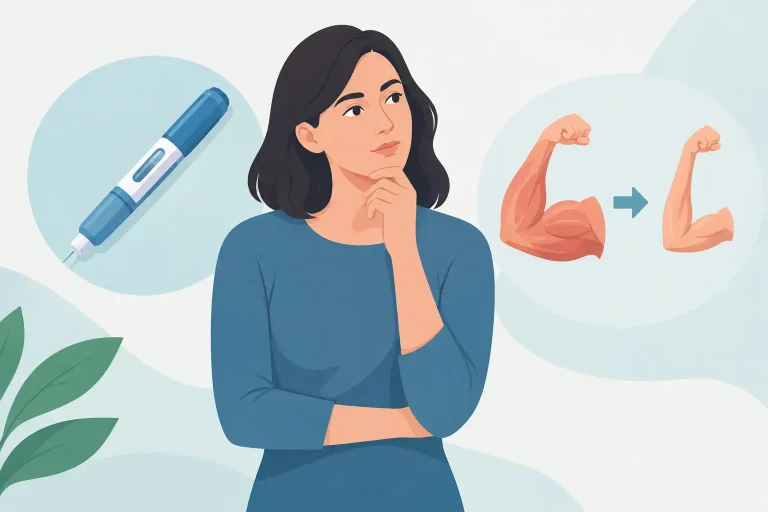
Successful weight loss during menopause requires attention to food quality and nutrient timing. Generic calorie restriction often backfires by accelerating muscle loss, which further slows metabolism.
Foods to Eat During Menopause for Weight Loss
Lean Proteins and Meal Ideas
Lean protein preserves muscle mass while keeping you full longer. Since muscle tissue burns more calories at rest than fat, maintaining muscle mass directly supports your metabolism. Include protein at every meal and snack.
Chicken breast, turkey, and fish are foundational proteins. A 3-ounce serving of grilled chicken breast provides roughly 26 grams of protein with minimal fat. Salmon offers protein and omega-3 fatty acids that reduce inflammation. Greek yogurt delivers protein plus probiotics supporting digestive health during hormonal transitions.
Practical meal ideas using lean proteins:
- Grilled chicken breast with steamed broccoli and quinoa
- Baked salmon with roasted Brussels sprouts and sweet potato
- Turkey meatballs with whole grain pasta and marinara sauce
- Egg white scramble with spinach, mushrooms, and whole grain toast
Legumes like black beans, lentils, and chickpeas provide plant-based protein alongside fiber, which supports satiety and digestive health. A half-cup serving of black beans contains about 8 grams of protein and 8 grams of fiber, both crucial for a sustainable menopause weight loss meal plan for beginners.
Cook proteins in advance during your meal prep sessions. Grilled chicken breasts and baked salmon keep well in the refrigerator for 3-4 days, making it easy to assemble balanced meals throughout the week without cooking from scratch daily.
Fruits, Vegetables, and Complex Carbohydrates
Vegetables should form the foundation of every meal. Leafy greens like spinach, kale, and romaine are nutrient-dense and low in calories, providing fiber, magnesium, and calcium that support bone health as estrogen declines.
Berries, particularly blueberries and raspberries, offer antioxidants and fiber while remaining lower in sugar. Include colorful vegetables like broccoli, bell peppers, carrots, and tomatoes for a range of nutrients supporting metabolic health.
Complex carbohydrates stabilize blood sugar and provide sustained energy.
Practical vegetable and carbohydrate combinations:
- Roasted vegetables (zucchini, bell peppers, carrots) with brown rice
- Spinach salad with berries, walnuts, and grilled chicken
- Oatmeal with blueberries and almonds for breakfast
- Sweet potato with steamed broccoli and lean ground turkey
Healthy Fats: Avocado, Nuts, Seeds, and Omega-3s
Healthy fats are essential in a menopause weight loss meal plan because they support hormone production, reduce inflammation, and aid nutrient absorption and satiety.
Avocado provides monounsaturated fat, fiber, and compounds supporting heart health as cardiovascular risk increases after menopause. Nuts like almonds and walnuts offer protein, fiber, and healthy fats that keep blood sugar stable between meals.
Chia seeds and flax seeds deliver omega-3 fatty acids and fiber, making them powerful additions to breakfast or smoothies.
Include healthy fats in meals and snacks:
- Grilled salmon with olive oil drizzle
- Almonds or walnuts as afternoon snacks
- Avocado sliced into salads or on whole grain toast
- Chia seed pudding made with Greek yogurt
Building Your 5-Day Menopause Meal Plan
Breakfast, Lunch, and Dinner Suggestions
A structured 5-day menopause weight loss meal plan removes decision fatigue. Each meal balances lean protein, complex carbohydrates, healthy fats, and vegetables to stabilize blood sugar and support metabolism.
Day 1:
- Breakfast: Oatmeal with blueberries, almonds, and cinnamon
- Lunch: Grilled chicken breast with quinoa and roasted broccoli
- Dinner: Baked salmon with sweet potato and steamed green beans
Day 2:
- Breakfast: Greek yogurt with chia seeds, berries, and granola
- Lunch: Turkey and avocado wrap on whole grain bread with side salad
- Dinner: Lean ground turkey meatballs with whole grain pasta and marinara
Day 3:
- Breakfast: Egg white scramble with spinach, mushrooms, and whole grain toast
- Lunch: Grilled chicken salad with mixed greens, vegetables, and olive oil dressing
- Dinner: Baked cod with roasted Brussels sprouts and brown rice
Day 4:
- Breakfast: Overnight oats with Greek yogurt, berries, and walnuts
- Lunch: Lentil and vegetable soup with grilled chicken breast
- Dinner: Lean beef stir-fry with broccoli, bell peppers, and brown rice
Day 5:
- Breakfast: Veggie omelet with spinach, tomatoes, and low-fat cheese
- Lunch: Chickpea and vegetable salad with grilled shrimp
- Dinner: Baked chicken breast with roasted sweet potato and asparagus
The structure of this 5-day menopause weight loss meal plan repeats each week. Repetition makes grocery shopping, meal prep, and tracking easier while you adjust to new eating patterns. After two weeks, you can swap meals between days to add variety without increasing complexity.
Snack Ideas and Hydration
Strategic snacking prevents energy crashes and overeating. Snacks should include protein and fiber to maintain satiety between meals.
Effective snack options:
- Apple with almond butter
- Greek yogurt with berries
- Handful of almonds or walnuts
- Celery with hummus
- Hard-boiled egg with whole grain crackers
- String cheese with grapes
Hydration is critical during menopause. Aim for at least 8-10 glasses of water daily. Herbal teas like green tea and chamomile provide hydration plus antioxidants. Avoid sugary drinks and excessive caffeine, which can trigger hot flashes and interfere with sleep.
Menopause Weight Loss Meal Prep Strategy
Batch Cooking and Storage Tips
Successful meal prep transforms a menopause weight loss meal plan from overwhelming to manageable. Dedicate 2-3 hours on Sunday to batch cook proteins, grains, and vegetables for easy assembly throughout the week.
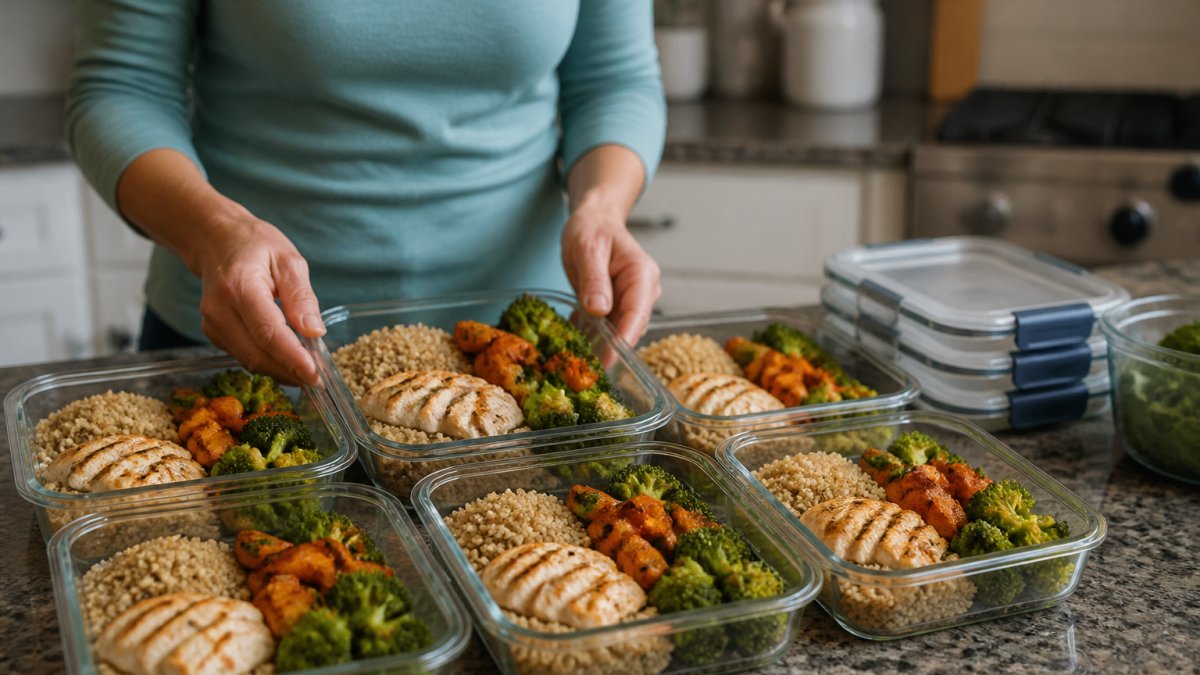
Batch cooking process:
- Cook 2-3 proteins (grilled chicken, baked salmon, ground turkey)
- Prepare 2-3 grains (brown rice, quinoa, oatmeal)
- Roast 3-4 vegetables (broccoli, Brussels sprouts, bell peppers, carrots)
- Portion into glass containers with labels and dates
Cooked proteins keep 3-4 days in the refrigerator; grains last 4-5 days; roasted vegetables last 3-4 days. Label everything with the date prepared. Most components freeze well for up to 3 months.
Invest in quality glass containers with secure lids, they’re durable, don’t absorb odors, and make it easy to see contents at a glance.
Menopause Grocery List for Weight Loss
A focused grocery list simplifies shopping and ensures you have ingredients for your menopause weight loss meal plan. Buy mostly from the perimeter of the grocery store where whole foods are located.
Proteins:
- Chicken breast
- Ground turkey
- Salmon fillets
- Eggs
- Greek yogurt
- Cottage cheese
- Black beans
- Lentils
Vegetables:
- Spinach and leafy greens
- Broccoli
- Brussels sprouts
- Bell peppers
- Carrots
- Zucchini
- Tomatoes
- Mushrooms
Fruits:
- Blueberries
- Raspberries
- Apples
- Bananas
- Berries (frozen)
Grains:
- Oatmeal
- Brown rice
- Quinoa
- Whole grain bread
- Whole grain pasta
Healthy Fats:
- Almonds
- Walnuts
- Avocados
- Chia seeds
- Olive oil
Pantry Staples:
- Herbs and spices
- Low-sodium broth
- Canned tomatoes
- Vinegar
Portion Awareness, Tracking, and Realistic Expectations
Understanding portions prevents overeating while ensuring adequate nutrition. A balanced approach uses your hand as a simple portion guide.
Portion guidelines:
- Lean protein: palm-sized serving (3-4 ounces)
- Complex carbohydrates: fist-sized serving (½ to 1 cup cooked)
- Healthy fats: thumb-sized serving (about 1 tablespoon)
- Vegetables: two open-hand servings (unlimited for leafy greens)
Tracking food intake helps identify patterns and ensures you’re eating enough. A simple tracking app or food journal creates awareness without obsession for 2-3 weeks to establish baseline awareness.
Weight loss during menopause typically ranges from 0.5 to 2 pounds per week. Some weeks you may see no change on the scale despite following your menopause weight loss meal plan perfectly, this is normal as hormones fluctuate.
Extreme calorie restriction during menopause often backfires. Eating too little triggers metabolic adaptation, where your body burns fewer calories in response. This makes weight loss plateau quickly and makes it harder to maintain weight loss long-term. Aim for moderate, sustainable changes rather than dramatic restriction.
Dietary Restrictions and Smart Substitutions
Your menopause weight loss meal plan should accommodate dietary preferences and restrictions without sacrificing nutrition or enjoyment.
For vegetarians and vegans:
Replace animal proteins with legumes, tofu, tempeh, and plant-based protein powders.
For gluten-free diets:
Replace wheat pasta and bread with quinoa pasta, brown rice, or certified gluten-free options.
For dairy-free diets:
Use unsweetened almond milk, coconut yogurt, or oat milk instead of dairy.
For nut allergies:
Substitute nuts with seeds (sunflower, pumpkin), legumes, or avocado for healthy fats.
Common substitutions maintain the structure of your menopause weight loss meal plan while honoring your needs.
When to Seek Professional Guidance
Professional support accelerates results and ensures safety. Certain situations warrant consultation with a healthcare provider or registered dietitian.
Seek professional guidance if you:
- Have underlying health conditions (diabetes, thyroid disease, heart disease)
- Take medications that affect appetite or metabolism
- Experience severe or persistent symptoms despite dietary changes
- Have a history of disordered eating
- Want to optimize hormone balance through nutrition and supplementation
- Are considering medical weight loss options
Menopause affects every woman differently.
According to Mayo Clinic’s menopause guidance, individualized treatment plans that address your specific symptoms and health history produce better outcomes than generic approaches. Research from the North American Menopause Society emphasizes that nutrition, exercise, and hormone balance work together to support healthy weight management during this transition.
A registered dietitian can personalize your menopause weight loss meal plan based on your food preferences, cultural background, and health goals.
Menopause weight gain feels inevitable, but it’s not. A structured menopause weight loss meal plan for beginners addresses the metabolic reality of this life stage.
The challenge most women face isn’t knowing what to eat. If you’ve struggled with weight loss despite following meal plans, or if you’re experiencing other menopause symptoms affecting your quality of life, professional support can make the difference. The Cleveland Clinic’s menopause and weight management resource confirms that integrated approaches combining lifestyle changes with medical support produce the most sustainable outcomes.
Book a consultation with Thrive Health Solutions today to create a personalized menopause weight loss strategy tailored to your body, your schedule, and your goals.
Frequently Asked Questions
What foods should I eat to help me lose weight during menopause?
Focus on lean proteins like chicken breast and salmon, which support muscle maintenance as metabolism slows. Add plenty of leafy greens, berries, and other vegetables for fiber and nutrients. Include complex carbohydrates like oatmeal and quinoa, healthy fats from avocado and walnuts, and foods rich in anti-inflammatory properties. These choices stabilize blood sugar, reduce cravings, and support weight loss while addressing menopause symptoms.
How can I create a menopause weight loss meal prep routine that actually fits my schedule?
Set aside 2-3 hours on one day per week to batch cook proteins, chop vegetables, and portion meals into containers. Prepare 3-4 protein options, 2-3 vegetable combinations, and 1-2 grain sides. Store in airtight containers for up to 4 days. This approach eliminates daily decision-making and reduces the temptation to reach for less healthy choices when busy.
How much weight can I realistically expect to lose on a menopause diet plan?
Weight loss during menopause is slower than before due to metabolic changes, but sustainable loss of 1-2 pounds per week is realistic with consistent meal planning and lifestyle changes. Results depend on your starting point, adherence, and overall activity level. Expect 4-8 weeks before noticing significant changes. Consult a healthcare provider to set personalized goals and monitor progress safely.
What should I do if I have dietary restrictions or food allergies while following a menopause meal plan?
Most foods in a menopause weight loss plan have substitutes. If allergic to nuts, use seeds or olive oil for healthy fats. For dairy sensitivity, choose lactose-free yogurt or fortified alternatives. If vegetarian, replace chicken and salmon with legumes, tofu, and tempeh for lean protein. Work with a registered dietitian to ensure your modified plan still includes all necessary nutrients for weight loss and symptom management.
How do menopause symptoms like fatigue and mood swings affect my ability to stick to a meal plan?
Menopause symptoms can make meal planning harder, but proper nutrition actually reduces fatigue and mood swings. Eating balanced meals with complex carbohydrates stabilizes blood sugar and energy. Omega-3 rich foods like salmon support mood regulation. Anti-inflammatory foods reduce joint pain and bloating. Start with simple, repetitive meals to reduce decision fatigue, and focus on how better nutrition makes you feel rather than just weight loss.
Should I count calories or track macros on a menopause weight loss meal plan?
Tracking helps many people stay accountable, but it’s not required. Portion awareness using your hand as a guide (palm-sized protein, fist-sized carbs, thumb-sized fats) works well for beginners. If you choose to track, focus on protein intake to preserve muscle mass during menopause. Apps can help, but simple awareness of portion sizes and food choices often produces results without the stress of strict counting.