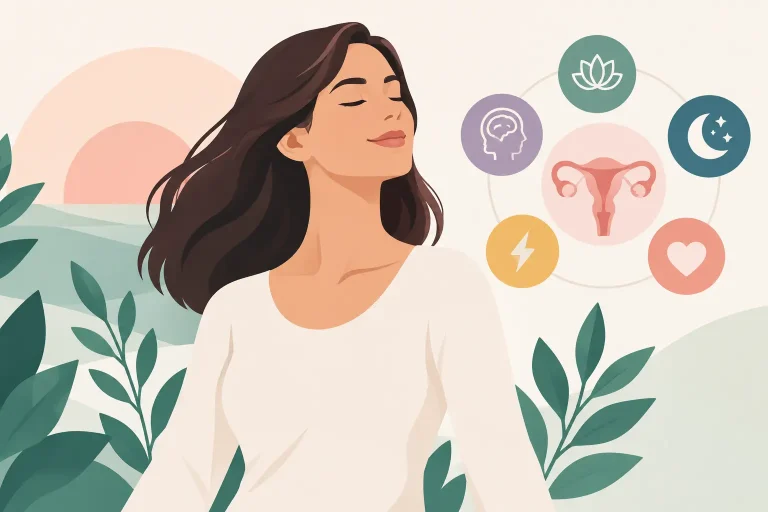
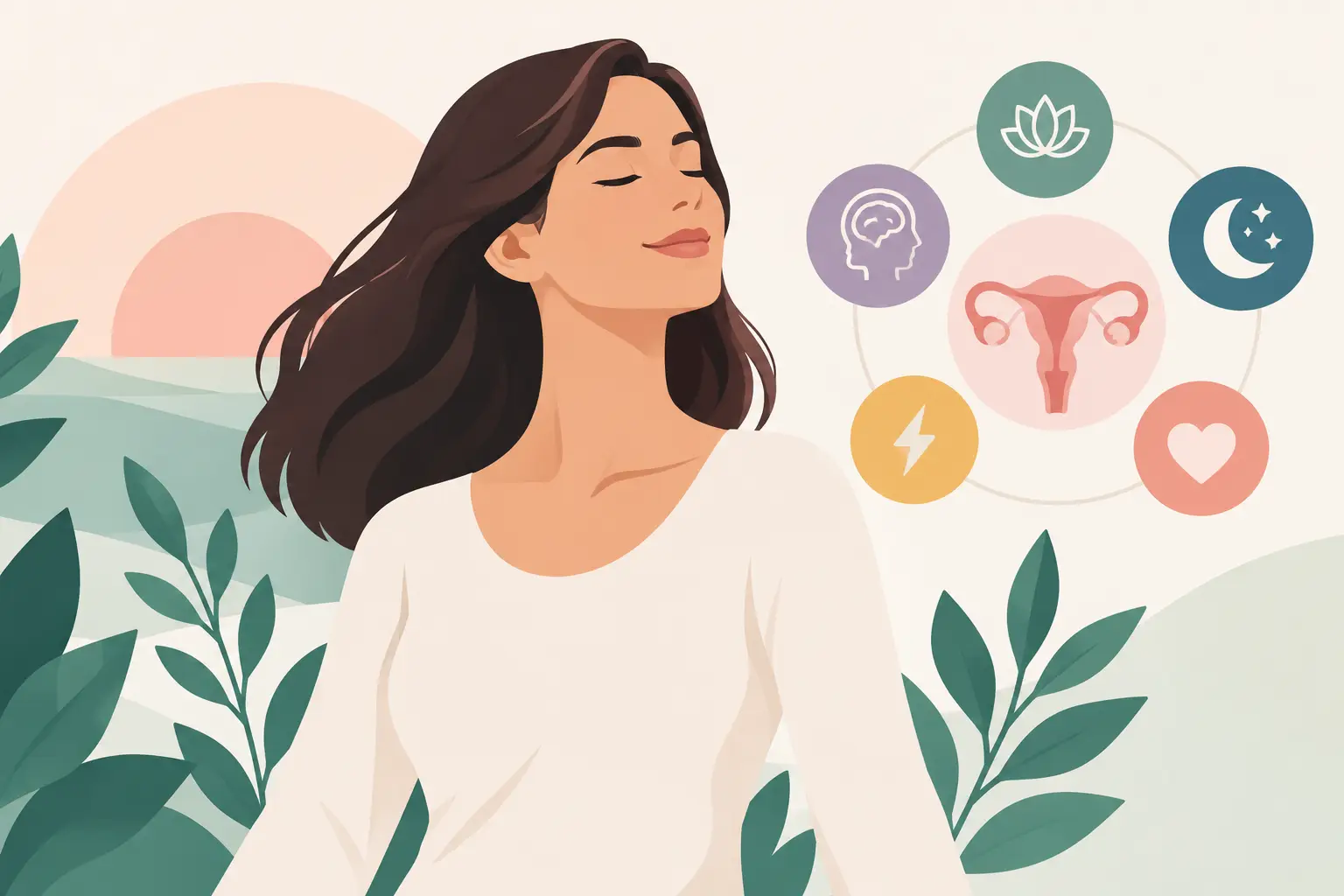
You can be exercising, eating well, and doing everything that once made you feel strong, focused, and confident, yet still feel unlike yourself. Stubborn weight changes, restless sleep, low libido, brain fog, mood shifts, and fatigue are not simply things you have to accept. This women hormone therapy guide explains when hormone changes may be part of the picture, what medically supervised treatment can involve, and how to pursue care that is built around your body rather than a one-size-fits-all protocol.
When Hormones May Be Affecting How You Feel
Hormones influence far more than your menstrual cycle. Estrogen, progesterone, testosterone, thyroid hormones, cortisol, and insulin all play distinct roles in energy, body composition, sleep, sexual wellness, mood, bone health, and cognitive function. When one or more of these systems shifts, the effects can show up in ways that feel disconnected at first.
Perimenopause is a common turning point. It can begin years before periods stop and may bring unpredictable cycles, night sweats, anxiety, irritability, heavier bleeding, poor sleep, vaginal dryness, and a frustrating change in how your body stores fat. Menopause is confirmed after 12 consecutive months without a period, but symptoms can persist well beyond that milestone.
Hormonal symptoms are not limited to perimenopause or menopause. Surgical menopause, postpartum changes, certain medications, chronic stress, significant weight changes, and some medical conditions can also affect how you feel. The goal is not to label every symptom as a hormone problem. The goal is to look at the full clinical picture and determine what deserves attention.
Women Hormone Therapy Guide: Start With a Real Evaluation
A quality hormone plan starts with listening. Your provider should review your symptoms, menstrual and reproductive history, personal and family health history, current medications, lifestyle, and wellness goals. If you are still having periods, the pattern and timing of symptoms matter as much as a single lab value.
Testing may be helpful, but it should not be treated as the entire answer. Hormone levels can fluctuate, especially during perimenopause. A knowledgeable clinician uses labs alongside your symptoms, exam findings, age, medical history, and treatment response. Depending on your needs, an evaluation may also include thyroid markers, metabolic health indicators, vitamin levels, and other tests that help rule out conditions that can mimic hormone imbalance.
Be direct about what has changed. Is sleep the issue that is draining your energy? Is low desire affecting your relationship and self-confidence? Are hot flashes interrupting meetings, workouts, and nights out? Are you gaining weight despite habits that once worked? Specific answers help create a more precise plan.
Understanding Hormone Therapy Options
Hormone therapy is not one treatment, one dose, or one route of delivery. The right approach depends on your symptoms, health profile, preferences, and goals.
For many women in perimenopause or menopause, estrogen therapy is considered for symptoms such as hot flashes, night sweats, sleep disruption, and vaginal discomfort. Estrogen may be delivered through creams, gels, patches, pills, or other methods. Each route has different considerations involving convenience, absorption, and risk profile.
If you have a uterus and use systemic estrogen, progesterone is often prescribed as well to help protect the uterine lining. Your clinician will determine whether progesterone is appropriate, which form may fit best, and how it should be dosed.
Testosterone is another conversation that deserves nuance. Women naturally produce testosterone, and low levels may contribute to reduced sexual desire, lower energy, decreased lean muscle support, or diminished sense of vitality for some patients. It is not a universal solution for fatigue or weight loss, and it should be prescribed thoughtfully. Dosing matters. Monitoring matters. Your outcome matters.
Bioidentical hormone replacement therapy, often called BHRT, uses hormones designed to be structurally similar to those produced by the body. Some bioidentical products are FDA-approved, while some are compounded for individualized dosing. Neither label alone tells you whether a treatment is right for you. The important question is whether your medication, delivery method, dose, and follow-up plan are medically appropriate and carefully managed.
Hormone pellet therapy is one option for women who prefer a longer-lasting delivery method. Pellets are placed under the skin during an in-office procedure and release hormones over time. The appeal is consistency and convenience, but pellets are not ideal for every patient because the dose cannot be rapidly adjusted once inserted. A clinician should discuss the potential benefits, limitations, and alternatives before you decide.
What Results Can You Reasonably Expect?
The best hormone therapy outcomes are meaningful, but they are not magic. Some women notice relief from vasomotor symptoms, such as hot flashes and night sweats, within weeks. Sleep, mood, vaginal comfort, libido, energy, and body composition may take longer and can be influenced by nutrition, stress, activity, medications, and underlying health conditions.
Your treatment plan should have clear targets. Maybe you want to sleep through the night without waking drenched in sweat. Maybe you want to feel motivated to train again, feel present at work, or stop planning your wardrobe around sudden temperature swings. Those goals are more useful than chasing a “perfect” number on a lab report.
At Thrive Health Solutions, care is designed to be personalized and doctor-supervised, with ongoing adjustments based on how you feel and how your body responds. That follow-up is where a hormone plan becomes more than a prescription. It becomes part of a larger strategy to help you look better, feel better, and function at your highest level.
Safety Questions You Should Ask Before Starting
Hormone therapy can be highly effective for the right patient, but it is not appropriate for everyone. Your provider should review factors such as a history of breast or endometrial cancer, blood clots, stroke, heart disease, unexplained vaginal bleeding, liver disease, and migraine history. The details matter, including the type of hormone, the delivery method, your age, and how long it has been since menopause began.
Ask how your provider will monitor treatment, what side effects should prompt a call, and when your dose may be adjusted. Possible effects can include breast tenderness, bloating, spotting, acne, mood changes, or hair changes, depending on the therapy. These are not reasons to self-adjust medication. They are reasons to stay in contact with your clinical team.
Avoid providers who promise hormone therapy will erase every symptom, reverse aging, or produce identical results for every woman. A confident clinic should still be honest: results vary, risk is individual, and smart treatment requires reassessment.
Build a Plan That Supports the Rest of Your Health
Hormones are powerful, but they work best within a whole-body strategy. Strength training supports muscle and bone health. Protein, fiber, hydration, and a sustainable nutrition plan can support body composition and metabolic health. Sleep routines and stress management matter because chronic stress can magnify fatigue, cravings, and mood symptoms.
If weight gain is one of your biggest concerns, it may be worth discussing whether metabolic testing, nutrition support, or a medically supervised weight-loss program belongs alongside hormone care. For some women, addressing hormones improves the ability to stay consistent with healthy habits. For others, additional support is needed. There is no failure in needing a more complete plan.
The right treatment should make your life feel more possible, not more complicated. If hormonal changes are affecting your confidence, comfort, relationships, or performance, a personalized evaluation can replace guesswork with a clear next step. You deserve care that takes your symptoms seriously and helps you move forward feeling more like yourself.