Table of Contents
- Why Inflammation and Midlife Weight Gain Are Connected
- Foods That Trigger Inflammation and Stall Weight Loss
- Anti-Inflammatory Foods That Support Midlife Metabolism
- 7-Day Anti-Inflammatory Meal Plan for Sustainable Results
- How Hormonal Balance Amplifies Your Anti-Inflammatory Diet Plan
- Benefits of Peptide Therapy for Weight Loss Alongside Diet
- Practical Strategies to Stick With Your Anti-Inflammatory Diet Plan
- Conclusion
Last Updated: August 23, 2026
Why Inflammation and Midlife Weight Gain Are Connected
Chronic inflammation is a major driver of midlife weight gain. Persistent low-grade inflammation disrupts hormonal signals that regulate appetite, metabolism, and fat storage. During midlife, hormonal shifts, declining estrogen and testosterone, shifting cortisol patterns, and deteriorating insulin sensitivity, amplify inflammation at the cellular level. Your body becomes resistant to weight loss because inflammation triggers insulin resistance, which promotes fat storage, particularly around the midsection.
Systemic inflammation increases oxidative stress, damaging mitochondria and lowering metabolic rate. You eat the same amount but burn fewer calories. An anti-inflammatory diet plan directly addresses this by reducing inflammatory markers and restoring metabolic efficiency.

Foods That Trigger Inflammation and Stall Weight Loss
Refined carbohydrates and added sugars are primary culprits. When you consume refined carbs, blood sugar spikes rapidly, triggering an inflammatory response and excess insulin production. Over time, this creates insulin resistance, accelerating fat storage and perpetuating inflammation.
Processed seed oils, vegetable, canola, and soybean oil, contain high levels of omega-6 polyunsaturated fats. Most modern diets contain 15-20 times more omega-6 than omega-3, creating a severely imbalanced inflammatory environment. These oils are often heated during processing, creating oxidized compounds that trigger additional inflammation.
Ultra-processed foods damage your gut microbiome through additives and emulsifiers. A compromised microbiome increases intestinal permeability ("leaky gut"), allowing bacterial lipopolysaccharides to enter the bloodstream and trigger systemic inflammation.
Trans fats, found in many baked goods and fried foods, are particularly damaging during midlife when your body’s antioxidant defenses naturally decline. Alcohol beyond one drink daily for women increases gut permeability and promotes inflammation.
Anti-Inflammatory Foods That Support Midlife Metabolism
Omega-3 Fatty Acids and Polyphenol-Rich Choices
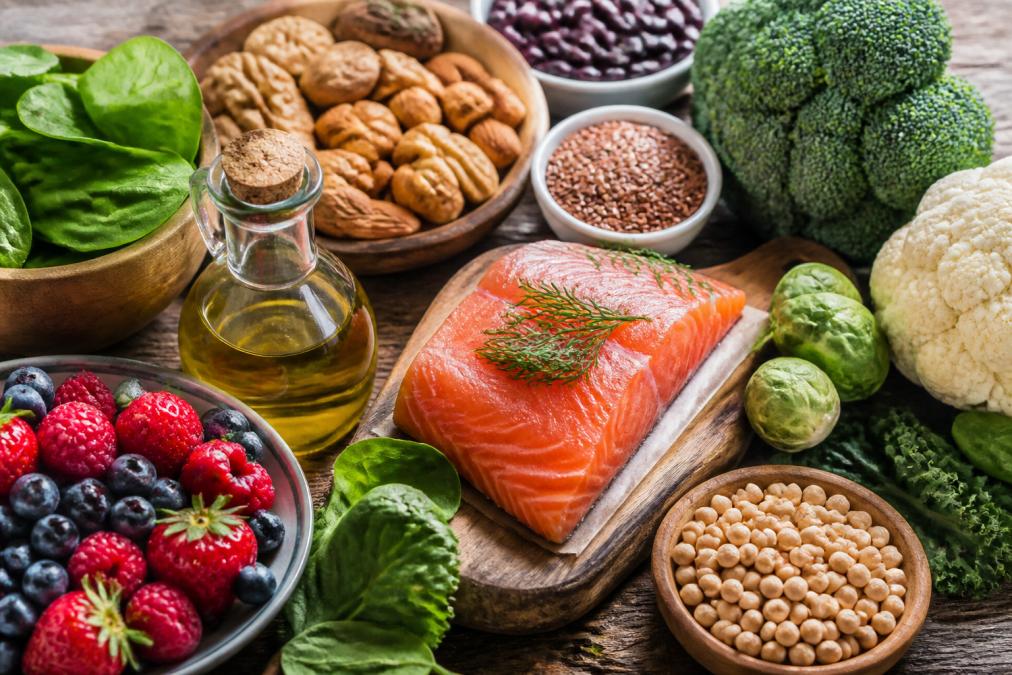
Omega-3 fatty acids are the nutritional foundation of an anti-inflammatory diet plan. Fatty fish, salmon, mackerel, sardines, and herring, contain EPA and DHA, the long-chain omega-3s your body uses directly. A serving of salmon provides approximately 2,000 mg of EPA and DHA combined, improving mitochondrial function and enhancing fat oxidation (peer-reviewed research).
Plant-based omega-3 sources like flaxseeds, chia seeds, and walnuts contain ALA, which converts inefficiently to EPA and DHA. If vegetarian or vegan, supplement with algae-based omega-3s.
Polyphenols are plant compounds with extraordinary anti-inflammatory power. Berries, particularly blueberries and blackberries, contain anthocyanins that protect neural tissue. Dark leafy greens like spinach and kale contain lutein and zeaxanthin, reducing systemic inflammation. Extra virgin olive oil contains over 30 different polyphenols, making it superior to refined olive oil.
Green tea contains EGCG, a polyphenol that activates thermogenesis. During midlife, when metabolic rate naturally declines, this effect becomes measurable.
Fiber and Whole Foods for Satiety and Gut Health
Most people consume 10-15 grams of fiber daily; nutritionists recommend 25-30 grams for women and 30-35 grams for men (the NIH). Whole grains like oats, barley, quinoa, and brown rice contain soluble fiber that feeds beneficial bacteria and produces short-chain fatty acids like butyrate, which strengthens the intestinal barrier.
Legumes, beans, lentils, chickpeas, are exceptional for midlife weight loss. A half-cup of cooked lentils provides about 8 grams of fiber and 9 grams of protein, creating satiety that lasts for hours.
Cruciferous vegetables, broccoli, cauliflower, Brussels sprouts, cabbage, contain sulforaphane, which activates detoxification pathways and reduces inflammatory markers. Root vegetables like sweet potatoes and beets contain resistant starch when cooked and cooled, feeding beneficial bacteria and improving insulin sensitivity.
7-Day Anti-Inflammatory Meal Plan for Sustainable Results
A 7-day anti-inflammatory meal plan should emphasize whole foods, adequate protein for satiety, and strategic meal timing to support hormonal balance.
Day 1:
- Breakfast: Scrambled eggs with spinach and mushrooms, side of blueberries
- Lunch: Grilled salmon with roasted Brussels sprouts and quinoa
- Dinner: Turkey meatballs with zucchini noodles and marinara made with olive oil
- Snack: Almonds and an apple
Day 2:
- Breakfast: Overnight oats made with rolled oats, almond milk, chia seeds, and berries
- Lunch: Chicken salad with mixed greens, olive oil vinaigrette, walnuts, and avocado
- Dinner: Baked mackerel with sweet potato and roasted broccoli
- Snack: Hummus with carrot and celery sticks
Day 3:
- Breakfast: Greek yogurt with ground flaxseed, cinnamon, and sliced peaches
- Lunch: Lentil soup with leafy greens and whole grain bread
- Dinner: Grass-fed beef stir-fry with bell peppers, onions, and brown rice
- Snack: Herbal tea with a small handful of walnuts
Day 4:
- Breakfast: Vegetable omelet with mushrooms, peppers, and herbs
- Lunch: Sardine salad with mixed greens, olive oil, and lemon
- Dinner: Chicken breast with quinoa pilaf and roasted cauliflower
- Snack: Fresh berries with almonds managing perimenopause symptoms.
Day 5:
- Breakfast: Smoothie with spinach, blueberries, protein powder, and almond butter
- Lunch: Turkey and vegetable soup with whole grain crackers
- Dinner: Baked salmon with roasted root vegetables and green salad
- Snack: Sliced cucumber with guacamole
Day 6:
- Breakfast: Steel-cut oatmeal topped with walnuts, cinnamon, and fresh fruit
- Lunch: Grilled chicken with roasted Brussels sprouts and sweet potato
- Dinner: Beef and vegetable stir-fry with brown rice
- Snack: Apple with almond butter
Day 7:
- Breakfast: Vegetable frittata with herbs and cheese
- Lunch: Tuna salad with mixed greens and olive oil dressing
- Dinner: Baked white fish with roasted broccoli and quinoa
- Snack: Mixed nuts and berries
| Meal Component | Purpose | Example |
|---|---|---|
| Protein source | Satiety and muscle preservation | Salmon, chicken, eggs, legumes |
| Fiber-rich carbs | Blood sugar stability and gut health | Quinoa, sweet potato, lentils |
| Healthy fat | Hormone production and satiety | Olive oil, avocado, nuts, seeds |
| Vegetables | Micronutrients and phytonutrients | Leafy greens, cruciferous, colorful varieties |
Breakfast includes protein and healthy fat to stabilize blood sugar. Lunch balances protein, fiber, and healthy fats to prevent mid-afternoon energy crashes. Dinner is lighter on carbohydrates to support better sleep and hormonal recovery.
How Hormonal Balance Amplifies Your Anti-Inflammatory Diet Plan
An anti-inflammatory diet plan works exponentially better when hormonal balance is restored. During perimenopause and menopause, estrogen decline accelerates inflammation. Estrogen has natural anti-inflammatory properties; when it drops, inflammatory markers rise.
Cortisol, your stress hormone, increases inflammation when chronically elevated. An anti-inflammatory diet plan reduces the inflammatory load your body must manage, but if cortisol remains chronically high, weight loss stalls. Addressing sleep quality, stress management, and potentially bioidentical hormone replacement becomes crucial.
Insulin sensitivity directly determines how your body partitions calories. An anti-inflammatory diet plan improves insulin sensitivity through reduced refined carbohydrate intake and increased fiber. However, hormonal optimization amplifies this effect.
Thyroid function declines during midlife, particularly in women. An anti-inflammatory diet plan supports thyroid function through adequate iodine, selenium, and zinc found in fish, eggs, and seeds.
Thrive Health Solutions addresses these hormonal factors through bioidentical hormone replacement and peptide therapy, which work synergistically with dietary changes.
Benefits of Peptide Therapy for Weight Loss Alongside Diet
Peptide therapy complements dietary approaches for midlife weight loss. Peptides are short chains of amino acids that signal your body to produce hormones more efficiently.
Growth hormone-releasing peptides stimulate your pituitary gland to produce more growth hormone. Growth hormone increases fat oxidation, preserves lean muscle, and improves metabolic rate. As growth hormone declines approximately 14% per decade after age 30, peptide therapy restores growth hormone signaling, making an anti-inflammatory diet plan more effective.
GLP-1 receptor agonist peptides improve insulin sensitivity and increase satiety by slowing gastric emptying. This effect is particularly powerful when combined with an anti-inflammatory diet plan.
Collagen peptides support connective tissue integrity and improve skin quality during weight loss. They also improve joint health, crucial during midlife.
Thrive Health Solutions uses Peptide Film delivery, a dissolvable film formulation that provides superior absorption compared to traditional injections or oral peptides, ensuring consistent peptide availability and maximizing synergy with your anti-inflammatory diet plan.
Practical Strategies to Stick With Your Anti-Inflammatory Diet Plan
Meal Prep Strategy: Dedicate two hours on Sunday to prepare proteins, vegetables, and grains for the week. This eliminates decision fatigue and makes compliant meals the path of least resistance.
Restaurant Navigation: Most restaurants accommodate anti-inflammatory choices. Order grilled fish or chicken with olive oil-based dressings. Request vegetables instead of bread or fries.
Supplement Strategy: Omega-3 supplements bridge gaps if you can’t consume fatty fish daily. Magnesium supports sleep quality and reduces cortisol. Probiotics support gut microbiome recovery.
Social Eating Protocol: Eat a protein-rich snack before attending dinners or events. One meal off-plan won’t derail progress; the pattern matters more than individual meals.
Tracking Without Obsession: Track food intake for two weeks to establish baseline awareness, then transition to intuitive eating with periodic check-ins.
Gradual Implementation: Start by eliminating seed oils and reducing refined carbohydrates. After two weeks, add increased fiber intake. This phased approach allows your body and mind to adapt.
Sleep Optimization: Prioritize 7-9 hours nightly. Sleep quality directly determines hunger hormones and inflammation levels.
Stress Management: Meditation, movement, or time in nature reduces cortisol. These practices are as important as food choices for an anti-inflammatory diet plan to succeed.
Conclusion
An anti-inflammatory diet plan for midlife weight loss works because it addresses the root cause of weight gain during this life stage: chronic inflammation driven by hormonal decline and metabolic changes. By eliminating pro-inflammatory foods, prioritizing nutrient-dense whole foods, and optimizing fiber and omega-3 intake, you restore the metabolic conditions that made weight loss easier in your younger years.
The 7-day meal plan provides a concrete starting point. The hormonal strategies show why diet alone often falls short. The practical adherence strategies acknowledge that knowledge without execution changes nothing.
Thrive Health Solutions specializes in combining dietary guidance with medical interventions like peptide therapy and bioidentical hormone replacement. If you’ve tried anti-inflammatory diets without expected results, the missing piece is often hormonal optimization. Our team provides doctor-supervised, personalized protocols that accelerate results and make adherence sustainable. Consult with qualified healthcare providers about personalized treatment plans for guidance tailored to your specific health situation. BOOK NOW to discuss how peptide therapy and hormone optimization can amplify your anti-inflammatory diet plan results.
Frequently Asked Questions
Q: How quickly will I see weight loss results from an anti-inflammatory diet plan?
A: Most people notice reduced bloating and improved energy within 1-2 weeks of starting an anti-inflammatory diet plan. Measurable weight loss typically becomes visible within 3-4 weeks as chronic inflammation decreases and metabolic rate improves. Results can be supported when combined with medical weight loss support and hormone optimization. Individual timelines vary based on starting point, adherence, and underlying hormonal factors like perimenopause or menopause.
Q: What's the difference between an anti-inflammatory diet plan and keto or other restrictive diets?
A: An anti-inflammatory diet plan focuses on nutrient-dense whole foods that reduce systemic inflammation rather than restricting entire macronutrient groups. Unlike keto, it includes whole grains, legumes, and fruits rich in polyphenols and antioxidants. This approach can support midlife metabolism because it supports hormonal balance, gut microbiome health, and long-term adherence without the metabolic stress of extreme restriction.
Q: Can an anti-inflammatory diet plan alone cause weight loss, or do I need medical weight loss treatment?
A: An anti-inflammatory diet plan is effective for weight management, especially when combined with consistent exercise and stress management. However, midlife hormonal changes like perimenopause or menopause can impact results despite diet adherence. Medical weight loss treatments, including peptide therapy and bioidentical hormone replacement, can address underlying hormonal factors that diet alone may not overcome, supporting and sustaining results.
Q: Which foods trigger the most inflammation for midlife weight gain?
A: Refined carbohydrates, added sugars, processed oils, and ultra-processed foods are primary inflammatory triggers that can impact midlife weight loss. These foods can spike insulin, increase oxidative stress, and disrupt the gut microbiome. Alcohol, excess sodium, and fried foods may further elevate inflammatory markers. Eliminating or minimizing these foods while prioritizing whole foods, healthy fats, and lean protein can create a metabolic environment that supports sustainable weight loss during midlife.
This article was written using GrandRanker