

Table of Contents
- What Is Bioidentical Hormone Therapy for Men?
- Recognizing Andropause: Symptoms of Hormonal Imbalance in Men
- Bioidentical vs. Synthetic Hormones for Men: Key Differences
- BHRT for Men Side Effects: What You Need to Know
- How Long Does BHRT Take to Work? Timeline and Results
- Delivery Methods: Pellet Therapy vs. Injections and Creams
- The Real Cost of Bioidentical Hormone Therapy for Men
- Living with BHRT: Long-Term Integration and Lifestyle
Last Updated: July 7, 2026
What Is Bioidentical Hormone Therapy for Men?
Bioidentical hormone therapy for men uses hormones with the same molecular structure as those naturally produced by the male body to address hormonal imbalance and restore vitality. Unlike synthetic alternatives, bioidentical hormones are derived from plant sources and compounded to match your body’s exact biochemical needs, offering better absorption and fewer unpredictable side effects. When testosterone and other key hormones decline during andropause, men often experience fatigue, cognitive fog, mood changes, and loss of muscle mass, symptoms that bioidentical hormone therapy can effectively reverse.
How BHRT Works at the Cellular Level
Bioidentical hormones bind to the same cellular receptors as your body’s natural hormones. Your cells cannot distinguish between a hormone your body produced and one synthesized to match its molecular structure exactly. When you receive bioidentical hormone therapy, the hormones activate the same biological pathways your body relied on in younger years: testosterone restores muscle protein synthesis, estradiol supports bone density and cognitive function, and progesterone aids sleep quality and emotional regulation.
Physician-supervised care is essential. Your doctor monitors blood panels at regular intervals to track hormone levels and adjust dosing, preventing both under-treatment and over-treatment complications. The cellular-level precision of BHRT depends entirely on getting the dose right for your individual metabolism.
Plant-Derived vs. Synthetic: Understanding the Difference
Plant-derived bioidentical hormones come from sources like wild yam and soy. Chemists extract compounds called phytoestrogens and convert them into hormones with the exact molecular structure your body produces, this is not the same as taking plant extracts directly.
Synthetic hormones have a different molecular structure. Conjugated estrogens and medroxyprogesterone acetate are chemically distinct from what your body makes. Your cells recognize this difference, and the potency variability in synthetic formulations means two doses might produce different effects in different individuals. Bioidentical hormones, when dosed correctly, maintain consistent molecular structure batch to batch, eliminating this variability.
Recognizing Andropause: Symptoms of Hormonal Imbalance in Men
Andropause is the male equivalent of menopause, a gradual decline in testosterone typically accelerating after age 50. Men experiencing this shift often describe bone-deep fatigue that sleep doesn’t fix, unexplained mood swings, diminished libido, and creeping loss of muscle mass despite unchanged exercise routines.
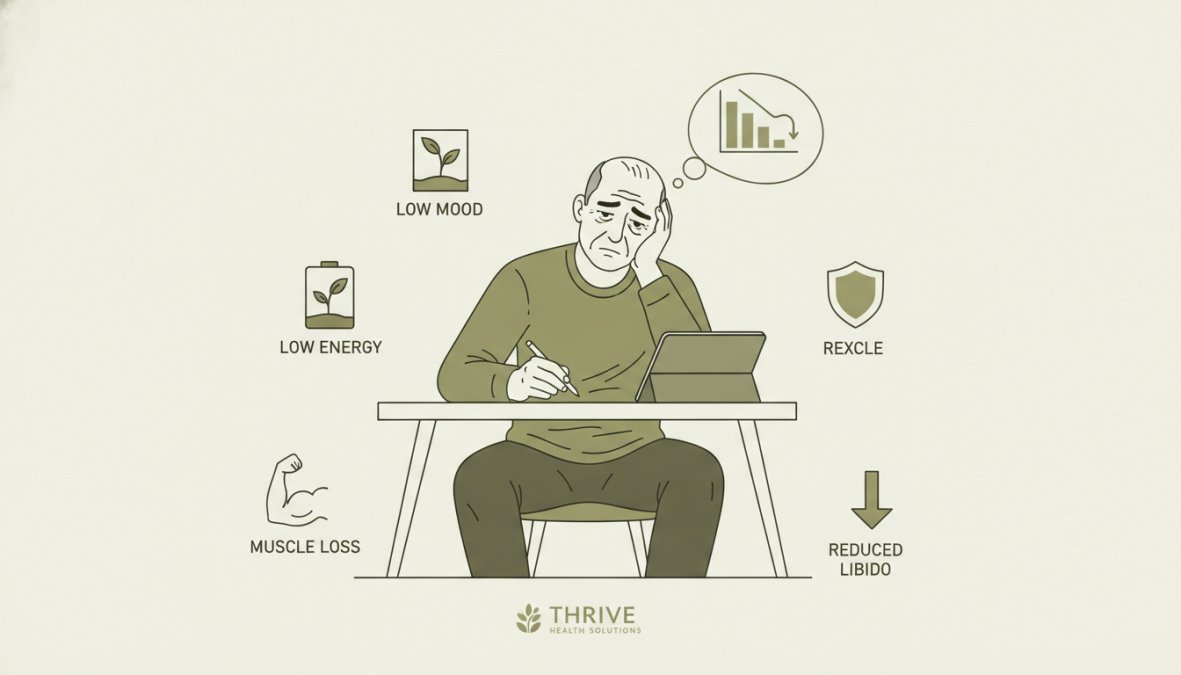
Persistent fatigue ranks at the top, followed by cognitive fog: difficulty concentrating, memory lapses, slower mental processing. Mood changes include irritability, anxiety, or flat emotional register. Sleep quality deteriorates, weight management becomes harder with fat accumulating around the midsection, bone density declines silently, and sexual function diminishes. A simple blood panel measuring total testosterone, free testosterone, and estradiol reveals whether hormonal imbalance is the culprit. If levels are low while symptoms are present, bioidentical hormone therapy often delivers measurable improvement within weeks.
Do not confuse andropause symptoms with depression or anxiety disorders. A proper diagnosis requires both blood work and clinical assessment. Treating the wrong condition wastes time and leaves the real problem unaddressed.
Bioidentical vs. Synthetic Hormones for Men: Key Differences
The fundamental difference lies in molecular structure and how your body processes each type. Bioidentical hormones match your natural hormones atom for atom, while synthetic hormones have a different chemical structure, meaning your body metabolizes them differently and your cellular receptors respond with varying degrees of efficiency.
| Characteristic | Bioidentical Hormones | Synthetic Hormones |
|---|---|---|
| Molecular Structure | Identical to body’s natural hormones | Chemically different from natural hormones |
| Cellular Recognition | Perfect fit at receptor sites | Partial or variable fit |
| Potency Variability | Minimal when properly dosed | Higher between individuals |
| Metabolism | Follows natural pathways | Alternative metabolic routes |
| Side Effect Profile | Generally milder, predictable | More unpredictable reactions |
| Compounding Options | Customized to individual needs | Standardized fixed doses |
A man on synthetic testosterone replacement might experience water retention, acne, or mood swings that another man on the same dose doesn’t experience. Bioidentical hormones, when properly dosed through physician-supervised care, produce more consistent results across patients.
Potency Variability and Quality Consistency
Potency variability refers to inconsistency in how strongly a hormone works from one dose to the next or from one person to another. Synthetic hormones exhibit higher variability because they’re processed through non-standard metabolic pathways. Bioidentical hormones bypass this problem by following the same metabolic pathways your natural hormones did.
Quality consistency depends on sourcing. A reputable compounding pharmacy maintains strict quality control, testing each batch for purity and potency. This is why physician-supervised care includes a recommendation to use a specific pharmacy.
Ask your prescribing physician which compounding pharmacy they recommend and why. The best BHRT outcomes come from proper dosing, quality hormones, and consistent monitoring.
BHRT for Men Side Effects: What You Need to Know
Bioidentical hormone therapy for men carries side effects, though they tend to be milder and more predictable than synthetic alternatives. The most common include acne or oily skin, mild breast tenderness, water retention, and mood changes during initial adjustment. More serious but rare side effects include polycythemia (elevated red blood cell count), liver enzyme elevation, and sleep apnea exacerbation in men with underlying sleep disorders.
The key variable is dosing. A man receiving 200 mg of bioidentical testosterone weekly might experience no side effects, while the same man receiving 400 mg weekly could develop several. Starting low and titrating upward under physician supervision prevents most complications. Some men report mood elevation and increased confidence within the first two weeks, this is therapeutic benefit, not a side effect. Temporary fatigue or headache during the first week typically resolves within 7-10 days.
Safety Monitoring and Physician-Supervised Care
Physician-supervised care is the foundation of safe BHRT. Your doctor orders baseline blood work measuring testosterone, estradiol, progesterone, liver function, kidney function, and hematocrit. After starting therapy, follow-up blood panels occur at 6 weeks, 12 weeks, then quarterly or semi-annually. Each panel tracks hormone levels, liver enzymes, and red blood cell count. If any marker drifts into concerning territory, your physician adjusts dosing immediately.
Regular clinical assessment complements lab work. Your doctor asks about symptom improvement, side effects, mood changes, sleep quality, and sexual function. Blood panels catch problems before they become serious, a rising hematocrit signals the need to reduce testosterone or donate blood to prevent clotting complications.
How Long Does BHRT Take to Work? Timeline and Results
Most men notice initial improvements within 2-4 weeks of starting bioidentical hormone therapy. Energy levels often increase first. Libido typically improves within 3-6 weeks. Mental clarity and mood stabilization follow within 4-8 weeks. Muscle mass gains and fat loss take longer, expect 8-12 weeks before noticeable body composition changes. Bone density improvements require 6-12 months of consistent therapy.
| Timeline | Expected Changes |
|---|---|
| Week 1-2 | Initial energy boost, mood elevation |
| Week 3-4 | Improved libido, better sleep onset |
| Week 4-8 | Enhanced mental clarity, mood stabilization |
| Week 8-12 | Visible muscle gain, fat loss begins |
| Month 4-6 | Significant body composition changes |
| Month 6-12 | Bone density increases, sustained wellness |
Variation between individuals is real. A 45-year-old with severe testosterone deficiency might see dramatic improvements within weeks, while a 60-year-old with mild deficiency might require 3-4 months. Age, baseline hormone levels, overall health, lifestyle factors, and stress all influence the timeline.
The first 3 months are the adjustment phase. By month 4, you should have a clear sense of whether BHRT is working for you. If improvements stall or side effects emerge, work with your physician to adjust dosing or delivery method rather than abandoning therapy prematurely.
Delivery Methods: Pellet Therapy vs. Injections and Creams
Bioidentical hormones can be delivered through multiple methods. Pellet therapy involves inserting small compressed cylinders of bioidentical hormones under the skin, usually in the hip or buttock area. The pellets dissolve gradually over 3-6 months, releasing steady hormone levels and eliminating daily dosing.
Injections (typically testosterone cypionate or enanthate) are administered weekly or bi-weekly. They produce a brief spike in hormone levels immediately after injection, then a gradual decline until the next injection. Some men report better energy and mood in the days after injection, then a slight dip before the next dose.
Creams and gels are applied daily to skin. Absorption varies based on skin thickness, hydration, and application technique. Creams also carry a small risk of transferring to partners or children through skin contact.
Pellet therapy excels for men who want consistent, hands-off treatment. Injections suit men who prefer control and don’t mind weekly administration. Creams work for men who want flexibility and dislike needles, though absorption variability can be frustrating. The best method is the one you’ll actually use consistently.
The Real Cost of Bioidentical Hormone Therapy for Men
Bioidentical hormone therapy for men involves multiple cost components: initial consultation and blood work, ongoing physician visits, hormone medications, compounding fees, and monitoring blood panels. Pricing depends on your specific hormone regimen, delivery method, dosing frequency, and geographic location. Contact Thrive Health Solutions directly for a personalized quote based on your individual needs.
Initial setup typically costs more than ongoing maintenance. After the initial phase, costs stabilize as you move into maintenance therapy with periodic monitoring.
Insurance Coverage and Out-of-Pocket Considerations
Insurance coverage for bioidentical hormone therapy for men varies dramatically by plan and state. Some insurers cover BHRT as medically necessary treatment for documented hormone deficiency. Others classify it as elective wellness therapy and deny coverage entirely. Medicare generally does not cover BHRT for men.
Contact your insurance provider directly with your diagnosis and proposed treatment. Ask specifically whether they cover "bioidentical hormone replacement" or "compounded testosterone therapy." Get the answer in writing. Many men find that out-of-pocket BHRT costs less than anticipated, especially when factoring in elimination of other health expenses like stimulants, sleep aids, or antidepressants.
Living with BHRT: Long-Term Integration and Lifestyle
Bioidentical hormone therapy is a foundation that makes healthy lifestyle achievable, not a replacement for it. A man on BHRT but eating poorly, sleeping six hours nightly, and avoiding exercise will see modest improvements. The same man prioritizing sleep, strength training, and nutrition will see transformative results.
Sleep quality becomes non-negotiable. Aim for 7-9 hours nightly. Strength training synergizes powerfully with BHRT, resistance training 3-4 times weekly capitalizes on increased muscle protein synthesis. Nutrition matters more on BHRT; protein intake should increase to support muscle synthesis, aiming for 1 gram per pound of body weight daily. Stress management influences long-term outcomes; chronic stress elevates cortisol, which interferes with testosterone signaling.
Long-term BHRT typically requires lifelong commitment. Once you start, discontinuing therapy usually results in hormone levels returning to pre-treatment baseline within weeks. Psychological impact extends beyond libido and energy, many men report restored sense of agency and confidence as BHRT restores the version of themselves that hormone deficiency had suppressed.
Hormone imbalance in men is increasingly recognized as a treatable condition, not an inevitable part of aging. If you’re experiencing persistent fatigue, mood changes, diminished libido, or loss of muscle mass, bioidentical hormone therapy for men deserves serious consideration. Thrive Health Solutions offers comprehensive BHRT programs featuring physician-supervised care, access to high-quality compounded bioidentical hormones, and regular blood panel monitoring to optimize your results safely. BOOK NOW to schedule your initial consultation and discover whether BHRT is right for you.
Frequently Asked Questions
What is bioidentical hormone therapy for men?
Bioidentical hormone therapy (BHRT) for men uses plant-derived hormones with a molecular structure identical to those naturally produced by the body. These hormones, primarily testosterone, estradiol, and progesterone, are customized through compounded formulations and administered via pellets, injections, or creams. BHRT is physician-supervised and designed to restore hormonal balance, addressing symptoms of andropause and hormonal imbalance. Unlike synthetic hormones, bioidentical hormones aim for cellular-level compatibility with your endocrine system.
What are the side effects of bioidentical hormone therapy in men?
BHRT side effects may include acne, mood fluctuations, sleep disruption, or increased aggression if dosage is excessive. Some men experience water retention or elevated red blood cell count. Long-term safety data shows that physician-supervised BHRT with regular blood panel monitoring significantly reduces risk. Side effects are often dose-dependent and can be managed through adjustment. Compounded formulations allow for fine-tuning to minimize adverse effects while maintaining therapeutic benefits for vitality, libido, and metabolic health.
How long does it take for bioidentical hormones to work for men?
Initial improvements in mood and energy typically appear within 2-4 weeks. Libido and sexual function improvements usually follow within 4-8 weeks. More substantial changes, increased muscle mass, improved bone density, enhanced sleep quality, and metabolic health, develop over 3-6 months. Pellet therapy delivers consistent results over 3-4 months per insertion, while injections and creams may show faster initial response but require more frequent dosing. Full hormone optimization and quality of life improvements are most evident after 6-12 months of consistent, physician-supervised treatment.
Is bioidentical hormone therapy safer than synthetic hormones for men?
Bioidentical hormones have a molecular structure identical to endogenous hormones, potentially offering better cellular-level compatibility than synthetic alternatives. Research suggests bioidentical formulations may reduce certain risks associated with synthetic HRT. However, safety depends heavily on physician-supervised dosing, regular blood panel monitoring, and individualized assessment. Both types carry risks if not properly managed. The key differentiator is potency variability in compounded bioidentical hormones versus standardized synthetic formulations. Long-term longitudinal safety data for BHRT continues to evolve, making professional medical oversight essential.
This article was written using GrandRanker