
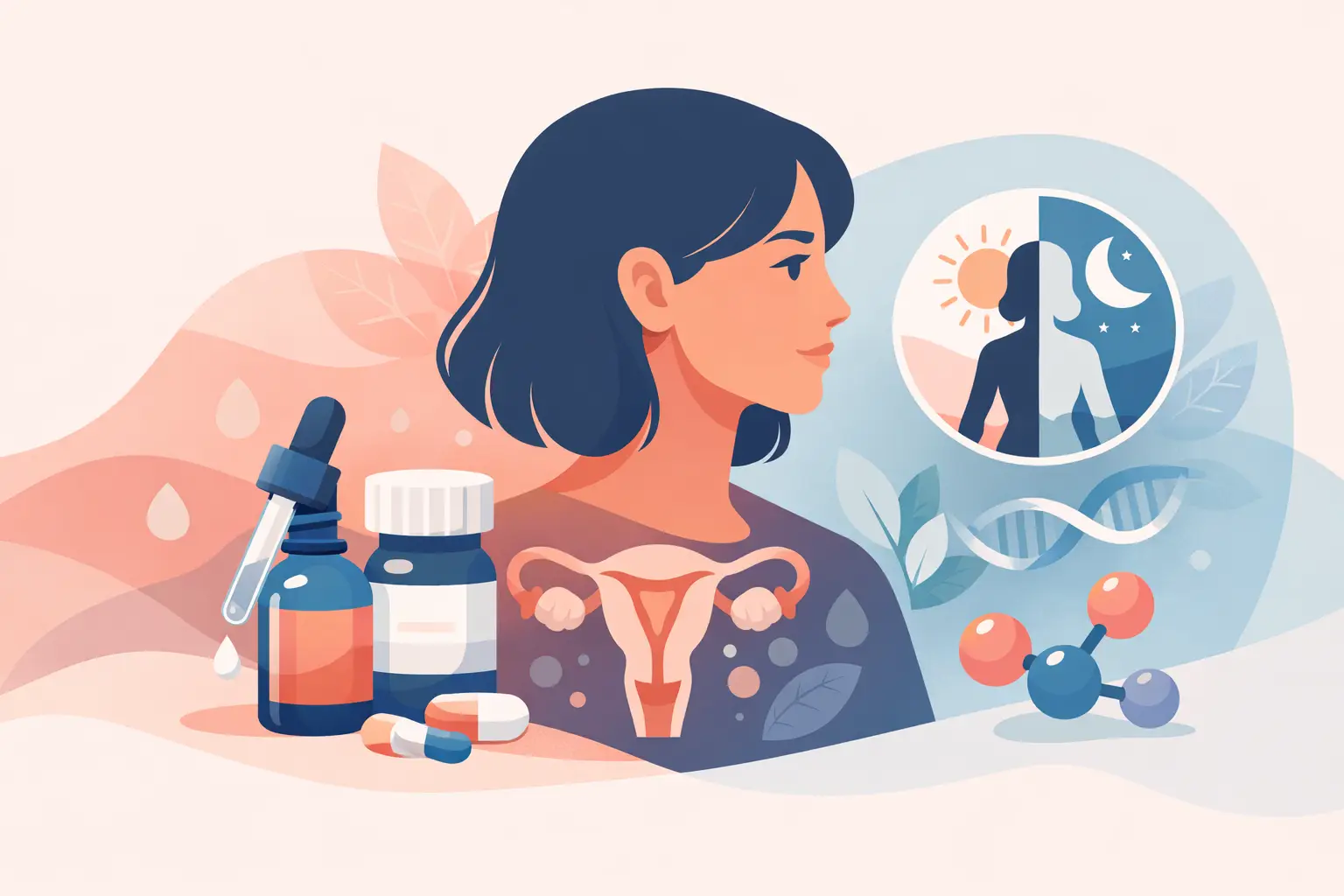
You wake up at 3 a.m., your patience is thinner than it used to be, your workouts are not paying off the same way, and suddenly your cycle feels unpredictable. This is often the point where women start asking about bioidentical hormones for perimenopause – not because they want a trend, but because they want to feel like themselves again.
Perimenopause can begin years before menopause officially arrives, and for many women, it shows up right in the middle of packed careers, parenting demands, relationship stress, and the pressure to keep performing at a high level. The frustrating part is that the symptoms are real, but they are often brushed off as stress, aging, or just something to push through. That mindset keeps too many women stuck when support is available.
What perimenopause actually changes
Perimenopause is the transition phase leading up to menopause, and it is driven by shifting hormone patterns rather than a simple, steady decline. Estrogen can swing high and low. Progesterone often starts dropping first. Testosterone may decline too, which can affect motivation, body composition, libido, and stamina.
That hormonal instability is why symptoms can feel so inconsistent. One month you may feel mostly normal. The next, you are dealing with bloating, irritability, sleep disruption, heavier periods, brain fog, and sudden changes in energy. For some women, anxiety becomes more noticeable. For others, the biggest issue is stubborn weight gain around the midsection or a loss of drive that does not match their lifestyle.
This is also why a one-size-fits-all approach usually falls short. Perimenopause is not identical from one woman to the next, and effective care should reflect that.
How bioidentical hormones for perimenopause work
Bioidentical hormones for perimenopause are designed to match the molecular structure of the hormones your body naturally produces. The goal is not to overwhelm your system. The goal is to support hormone levels more precisely, reduce symptom burden, and help you function at a higher level again.
Depending on your symptoms, treatment may involve estrogen, progesterone, testosterone, or a tailored combination. Delivery methods can vary. Some women do well with creams or capsules. Others prefer pellets because they offer steady release over time and eliminate the hassle of remembering daily dosing. What works best depends on your labs, your symptom pattern, your medical history, and how consistent you want treatment to be.
The biggest advantage of a personalized plan is that it treats the woman in front of the provider, not a generic age bracket. If your primary issue is sleep and mood instability, your treatment may look very different from someone whose biggest complaints are low libido, muscle loss, and poor recovery.
Why women seek treatment before menopause is official
A lot of women assume they need to wait until their periods fully stop before considering hormone support. That is rarely the most strategic move. Perimenopause can drag on for years, and the symptoms during that phase can have a serious effect on quality of life, performance, confidence, and even relationships.
When hormones are fluctuating, women often feel off in ways that are hard to explain. They may still be functioning, but not thriving. They are more tired, less resilient, and more frustrated by their own bodies. Waiting for symptoms to worsen does not earn extra points. It just extends the period of feeling depleted.
Doctor-supervised care during perimenopause can help identify whether hormone shifts are the main driver or whether other issues are adding to the picture, such as thyroid dysfunction, high stress, poor sleep quality, inflammation, or metabolic changes. That broader view matters because symptoms often overlap.
The benefits women often notice
When treatment is appropriate and carefully managed, women often report improvements that touch almost every part of daily life. Better sleep is one of the first changes many notice. That alone can improve mood, patience, workout recovery, and mental clarity.
Hot flashes and night sweats may ease. Mood swings may feel less intense. Mental focus can become sharper. Libido may improve. Some women also notice better body composition support when hormones are optimized alongside nutrition, strength training, and a realistic wellness plan.
It is worth being honest here – hormone therapy is not magic, and it is not a replacement for healthy habits. If stress is extreme, alcohol intake is high, and sleep is chronically short, no treatment will fully override that. But when hormone support is part of a well-run, medically supervised plan, it can be the difference between barely getting through the week and actually feeling strong, steady, and capable again.
Is bioidentical hormone therapy right for every woman?
No, and that is exactly why evaluation matters.
Some women are excellent candidates for bioidentical hormones for perimenopause. Others may need a different plan, more testing, or closer monitoring depending on their health history. Factors such as migraines, clotting risk, breast health history, uterine bleeding patterns, and cardiovascular considerations all matter. The right clinic will not rush past those details.
There is also the question of expectations. If a woman wants symptom relief, better energy, and stronger day-to-day function, hormone therapy may be a strong fit. If she expects a complete overnight transformation with zero need for follow-up, that is not realistic. The best outcomes usually come from ongoing dose adjustments, symptom tracking, and a provider who is paying attention.
What a high-quality treatment plan should include
A premium hormone program should feel individualized from the beginning. That means a thorough review of symptoms, health history, lab work, and treatment goals. It should also include a real conversation about delivery methods, expected benefits, possible side effects, and follow-up timing.
Monitoring is not optional. Hormones affect multiple systems, and dosing should be guided by both clinical response and objective data. If a provider is offering hormone treatment with no meaningful oversight, that is a red flag.
Women also deserve a bigger-picture approach. Perimenopause does not happen in a vacuum. If body composition has changed, if energy has dropped, or if recovery is suffering, treatment should account for those concerns too. That is where a whole-body clinic model stands out. At Thrive Health Solutions, that means looking beyond one symptom and building a plan that supports how you feel, how you function, and how confidently you move through this stage of life.
Common concerns about bioidentical hormones for perimenopause
Many women worry that starting hormones means signing up for something extreme or risky. Usually, that fear comes from oversimplified messaging or outdated assumptions. The better question is not whether hormones are good or bad in the abstract. The better question is whether this therapy is appropriate for your body, your symptoms, and your health profile.
Another common concern is timing. Women often ask whether they are too early because they are still having periods. In many cases, that is exactly when support becomes worth discussing. Perimenopause is defined by fluctuation, not by complete hormone shutdown.
There is also concern around convenience. Busy women do not want a treatment plan that adds more stress. That is why delivery method matters. For some, daily administration feels manageable. For others, a longer-acting option makes compliance easier and results more consistent.
What results really depend on
The strongest outcomes usually come down to precision, supervision, and consistency. Precision means your plan is based on your actual symptoms and biomarkers, not guesswork. Supervision means an experienced medical provider is adjusting treatment based on how you respond. Consistency means you stay engaged long enough to fine-tune the plan rather than quitting too early.
It also depends on what else is going on in your body. If insulin resistance, chronic stress, poor sleep, or low muscle mass are driving part of the problem, those factors need attention too. Hormone optimization works best when it is part of a bigger strategy for long-term wellness.
Perimenopause can make women feel like they are losing ground in their own bodies. The right treatment plan can shift that experience completely. You do not need to settle for feeling flat, foggy, and out of sync just because your hormones have changed. With expert guidance, bioidentical hormone therapy can be a smart, powerful step toward feeling sharper, stronger, and more like yourself again.