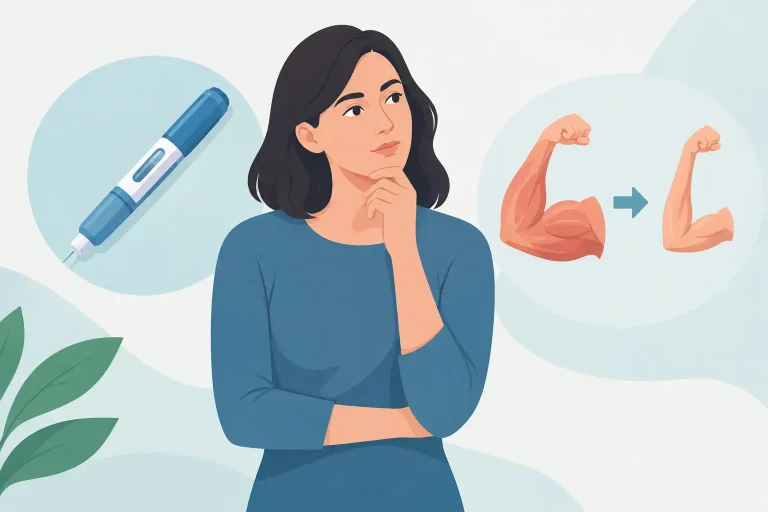
If you are weighing sermorelin vs growth hormone, you are probably not chasing a trend. You are trying to solve something real – low energy, slower recovery, stubborn body composition changes, poor sleep, or that frustrating sense that your body is no longer working the way it used to. The right choice depends on your goals, your lab work, your age, and how your body is functioning now.
For patients focused on performance, recovery, healthy aging, and feeling like themselves again, this comparison matters. Sermorelin and growth hormone are often mentioned in the same conversation, but they are not interchangeable. One works by signaling your body to produce more of its own growth hormone. The other delivers growth hormone directly. That difference shapes everything from how treatment feels to how carefully it needs to be managed.
Sermorelin vs Growth Hormone: What each one does
Sermorelin is a growth hormone-releasing hormone analog. In simpler terms, it encourages the pituitary gland to increase natural growth hormone output. It works with your body’s signaling pathway rather than replacing the end product itself. For many adults, that can make it an appealing option when the goal is optimization under medical supervision rather than aggressive hormone replacement.
Growth hormone therapy, on the other hand, involves administering synthetic human growth hormone directly. Instead of nudging the body to produce more, it bypasses that signaling step. This can create a much stronger and more immediate effect, which is why growth hormone has a very specific medical role in certain patients with documented deficiency.
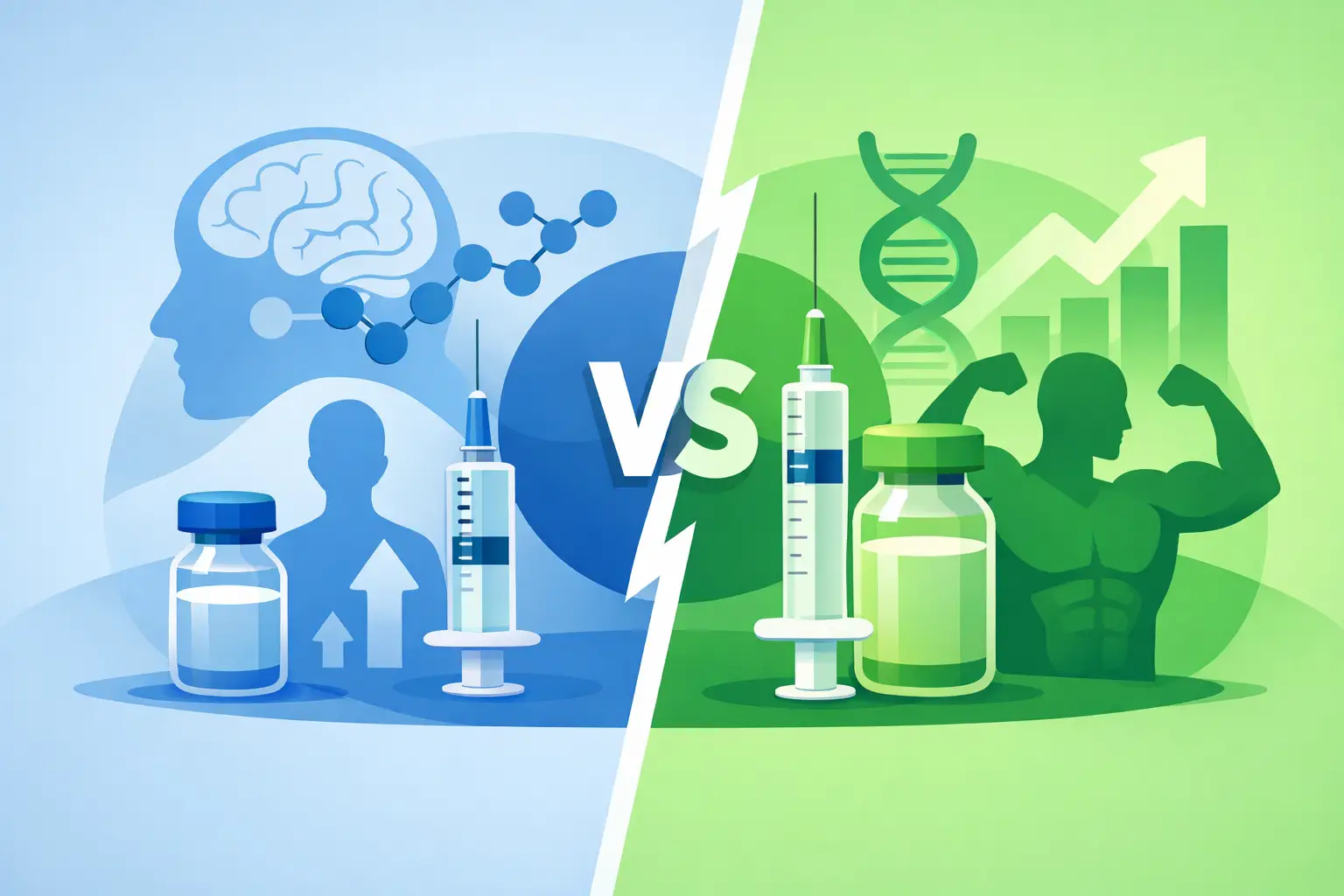
That basic distinction is the center of the sermorelin vs growth hormone discussion. One stimulates. One replaces. From there, the differences in safety profile, cost, monitoring, and expected outcomes become easier to understand.
Why patients compare these therapies
Most adults considering peptide or hormone support are not trying to become bodybuilders overnight. They want better sleep, improved recovery after workouts, healthier body composition, more stable energy, and support for age-related changes that affect confidence and quality of life. They also want treatment that feels smart, personalized, and medically sound.
Sermorelin is often considered by patients who want a more physiologic approach. Because it relies on the pituitary’s natural ability to respond, it may support a more regulated pattern of growth hormone release. That can matter for people who want a gentler strategy with a focus on wellness, anti-aging, and long-term optimization.
Growth hormone is usually a more serious clinical conversation. It can be highly effective when truly indicated, but it is not something to treat casually. For adults with diagnosed growth hormone deficiency, direct replacement may be appropriate. For patients seeking general wellness benefits without that diagnosis, the calculus becomes more complicated.
How results can differ
Patients often ask which one works better. The more honest answer is that better depends on what you need.
Growth hormone is typically more potent and more direct. In patients who legitimately need it, results may be more pronounced. Changes in body composition, recovery, and overall function may appear faster because the hormone is being supplied outright.
Sermorelin tends to be a slower and more gradual process. Because it stimulates your own system, response can vary depending on pituitary function, age, baseline hormone status, sleep, stress, and overall health. Some patients appreciate that steadier ramp-up. Others want stronger intervention and may not be ideal candidates for sermorelin if the pituitary is not capable of mounting a meaningful response.
This is where individualized care makes a huge difference. If your body can still respond appropriately, sermorelin may provide meaningful support with a more natural mechanism. If there is significant dysfunction or true deficiency, growth hormone may enter the discussion in a different way.
Safety and oversight are not optional
This is where the conversation needs to stay grounded. Hormone and peptide therapies can produce impressive results, but they are not self-prescribed wellness hacks. They require evaluation, lab testing, dosing precision, and follow-up.
Sermorelin is often viewed as having a favorable profile because it stimulates endogenous production rather than pushing hormone levels directly from the outside. That said, it can still cause side effects, and it still demands clinical oversight. Headaches, flushing, injection-site reactions, and other responses are possible, and not every patient is a fit.
Growth hormone requires even more caution. Because it directly increases hormone exposure, there is greater concern around overuse, inappropriate dosing, and metabolic effects. Fluid retention, joint discomfort, changes in glucose handling, and other complications can become real issues when therapy is not carefully managed.
The smartest path is not choosing the strongest-sounding treatment. It is choosing the right treatment for your physiology, your goals, and your long-term health.
Sermorelin vs growth hormone for anti-aging goals
A lot of patients first hear about these therapies in the context of anti-aging, and that can blur the line between medical treatment and marketing hype. There is a reason these options get attention. Growth hormone pathways influence recovery, lean mass, sleep quality, metabolism, and tissue repair. When those systems decline with age, people feel it.
But anti-aging treatment should never mean chasing extremes. The goal is not to force your body into an artificial state. The goal is to support healthier function in a way that helps you look better, feel stronger, and perform at a higher level.
For many adults who want age-management support, sermorelin may be the more practical place to start if clinically appropriate. It aligns with a broader wellness strategy that can also include body composition testing, hormone optimization, sleep support, nutrition, exercise programming, and other physician-guided therapies.
Growth hormone is usually not the first conversation for a patient simply looking to feel younger. It may be the right option in select medical cases, but that is very different from general optimization.
Cost, convenience, and the real-world decision
For many patients, the sermorelin vs growth hormone decision is not just about biology. It is also about sustainability.
Growth hormone therapy is often more expensive and more tightly regulated. Depending on the indication and prescription pathway, access may be limited and monitoring can be extensive. For patients who need it, that complexity may be worth it. For others, it may not make practical sense.
Sermorelin can be a more accessible option in a wellness-focused clinical setting, especially for patients who want physician-supervised support without jumping straight to full hormone replacement. That does not mean it is a shortcut or a lesser therapy. It means it plays a different role.
Convenience matters too. Busy professionals and parents are not looking for a treatment plan that adds chaos to their lives. They want a streamlined path, clear guidance, and a provider who can monitor progress and adjust treatment based on real outcomes. That is exactly why individualized protocols outperform one-size-fits-all approaches.
Who may be a better fit for sermorelin
Sermorelin may be worth discussing with a qualified provider if you are dealing with age-related changes in sleep, recovery, body composition, or energy and want a strategy that supports your own hormone signaling. It may also appeal to patients who value a measured, medically supervised approach rather than jumping to the most aggressive intervention available.
The best candidates are typically those with enough pituitary function to respond to stimulation and realistic expectations about timing. Sermorelin is not magic. It works best as part of a larger performance and wellness plan.
Who may be a better fit for growth hormone
Growth hormone therapy is generally more relevant when there is a confirmed deficiency or a clear medical reason for replacement. In those cases, direct treatment may offer the most appropriate path to meaningful symptom improvement.
This is not a therapy to pursue based on internet hype or aesthetics alone. It demands careful diagnosis, thoughtful prescribing, and serious monitoring. In the right setting, it can be powerful. In the wrong setting, it can be the wrong tool entirely.
The question that matters most
The real question is not whether sermorelin or growth hormone sounds more impressive. It is whether your treatment plan is built around your body, your labs, and your goals.
At a premium clinic experience like Thrive Health Solutions, that kind of personalization is the difference between guessing and getting results you can actually feel. The strongest plan is the one that respects your physiology, supports long-term performance, and helps you move through life with more energy, confidence, and control.
If you are considering either therapy, start with a full medical evaluation instead of assumptions. The best outcomes come from precision, not shortcuts – and when treatment is matched to the right patient, you will see and feel the difference.