
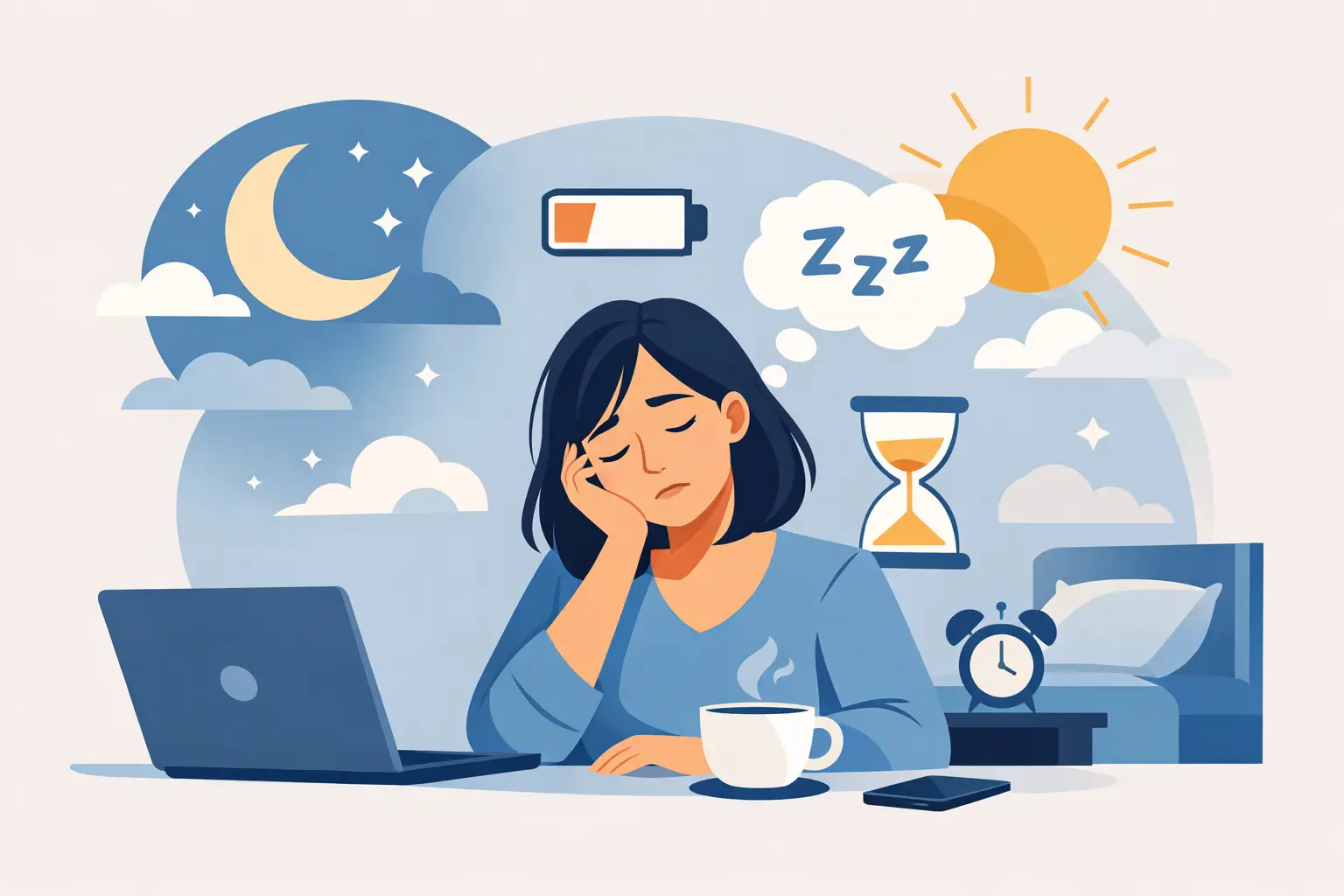
You sleep, push through the workday, grab another coffee, and still feel like your battery never gets above 20 percent. If you keep asking, “why am I always tired,” the answer is rarely as simple as getting to bed earlier. Persistent fatigue is often your body signaling that something deeper is off – from hormones and nutrition to stress, sleep quality, weight changes, and underlying medical issues.
Feeling tired once in a while is normal. Feeling drained most days is different. When your energy is consistently low, your workouts suffer, your mood drops, your focus slips, and even basic routines start to feel harder than they should. That kind of fatigue can chip away at confidence and quality of life fast.
Why am I always tired even when I sleep?
This is one of the most frustrating patterns because it makes no sense on the surface. You may be technically getting enough hours, but not enough restorative sleep. Sleep apnea, frequent waking, snoring, alcohol use, stress, late-night screen time, and even blood sugar swings can leave you in bed for eight hours without truly recharging.
Sleep quantity and sleep quality are not the same thing. Many high-functioning adults in Denver are running on fragmented rest and calling it normal. If you wake up unrefreshed, need caffeine just to feel human, or hit a wall every afternoon, your body may not be recovering the way it should.
There is also a major difference between being sleepy and being fatigued. Sleepiness is the urge to fall asleep. Fatigue feels heavier. It is low motivation, poor stamina, brain fog, slower recovery, and the sense that your usual spark is missing. That distinction matters because it can point toward hormone imbalance, nutrient deficiencies, inflammation, or metabolic issues rather than just poor sleep habits.
Common reasons you may always feel tired
A lot of people assume fatigue has one cause. In reality, it is usually layered. That is why quick fixes often disappoint.
One major driver is chronic stress. When stress stays high for too long, sleep gets lighter, cravings increase, exercise recovery gets worse, and mental energy drops. You may keep performing on the outside while feeling completely depleted underneath.
Hormone shifts are another big one, especially in midlife. Low testosterone in men can show up as fatigue, lower drive, poor focus, loss of strength, and reduced motivation. In women, shifting estrogen and progesterone can affect sleep, mood, body composition, and energy in a way that feels sudden but has likely been building for months. Thyroid dysfunction can create a similar picture, especially when fatigue comes with weight changes, feeling cold, constipation, hair thinning, or brain fog.
Nutrition matters more than most people realize. Low iron, low B12, low vitamin D, inadequate protein intake, dehydration, and overly restrictive dieting can all leave you running on empty. This is especially common in busy professionals and parents who are skipping meals, eating on the go, or trying to lose weight without enough clinical guidance.
Blood sugar instability is another overlooked issue. If you are riding a cycle of high-carb meals, crashes, cravings, and constant snacking, your energy can feel wildly inconsistent. Some people describe this as burnout when it is really poor metabolic control.
Then there are lifestyle factors that quietly add up: too much alcohol, not enough movement, overtraining, certain medications, depression, anxiety, and unresolved sleep disorders. None of these should be brushed off as laziness or aging. If you do not feel like yourself, that matters.
When “why am I always tired” is a medical question
There is a point where fatigue stops being a nuisance and becomes a sign to get evaluated. If your energy has been low for weeks or months, if symptoms are worsening, or if fatigue is affecting work, relationships, workouts, or mood, it is time to look deeper.
Pay attention if fatigue shows up with shortness of breath, chest discomfort, dizziness, new headaches, unexplained weight gain or loss, heavy periods, low libido, depressed mood, memory issues, or trouble sleeping through the night. Those combinations can point to a real underlying issue that deserves more than guesswork.
This is where personalized care changes the game. Generic advice like “sleep more” or “reduce stress” sounds fine, but it often misses the reason your body is struggling in the first place. The right next step is identifying what is driving the fatigue, not masking it.
The most overlooked cause: hormones and metabolic health
For many adults, especially those in their late 30s, 40s, and beyond, fatigue is tied to bigger body-wide shifts. Hormones regulate energy, sleep, muscle mass, mood, metabolism, recovery, and mental clarity. When they move out of balance, you feel it everywhere.
Men with low testosterone often notice more than tiredness. They may feel less sharp, less driven, less resilient, and less like themselves. Women dealing with perimenopause or menopause may think they are just overextended, when hormone changes are actually disrupting sleep and draining energy day after day.
Metabolic health matters just as much. If weight has crept up, cravings are stronger, recovery is worse, and energy is unreliable, your body may be working against you. That does not mean you need another trendy supplement or extreme reset. It means you may need physician-supervised support that looks at the full picture.
At Thrive Health Solutions, this whole-body approach is exactly why fatigue is not treated like a one-note complaint. When patients want to feel better, function better, and start seeing measurable results, the goal is to assess what is really happening and build a plan around their biology, lifestyle, and goals.
What can actually help when you are always tired?
The right solution depends on the cause. That is the trade-off people do not hear enough. More caffeine might help you survive the day, but it will not correct low iron, poor sleep architecture, hormone imbalance, or nutrient depletion.
If sleep quality is the issue, improving your routine, reducing alcohol, managing late-night eating, and screening for sleep apnea can make a dramatic difference. If your fatigue is tied to low B12, iron deficiency, or poor nutrition, targeted support can help restore energy more effectively than guessing with random supplements.
If hormones are involved, addressing them directly can be a turning point. When testosterone, estrogen, progesterone, or thyroid function are out of range, the body often needs more than lifestyle advice. Medically supervised hormone optimization may help improve energy, mental clarity, body composition, mood, and overall performance.
If weight and metabolic dysfunction are part of the picture, that also deserves a real strategy. Carrying extra weight can worsen sleep, increase inflammation, strain recovery, and make fatigue feel constant. Clinically guided weight loss support can help reduce that burden while improving energy in a more sustainable way.
IV therapy, lipotropic support, and nutrient-focused treatments may also play a role for some patients, but only when they fit the bigger clinical picture. The best results come from matching the treatment to the reason you feel depleted.
Signs it is time to stop pushing through
A lot of successful adults are good at overriding fatigue. They power through meetings, family obligations, workouts, and social plans while feeling far below their potential. The problem is that functioning is not the same as thriving.
If your motivation is fading, your body feels heavier, your workouts are flat, your patience is shorter, or your reflection does not match how vibrant you want to feel, do not write it off. Energy is not a luxury. It is foundational to how you show up in every area of life.
There is nothing normal or admirable about living in survival mode for months or years. Real wellness should be felt. You should be able to wake up with more clarity, move through the day with more stamina, and feel more confident in your body and mind.
Why am I always tired? Start with the right questions
Instead of asking only how to get through the day, ask what your fatigue is trying to tell you. Has your sleep changed? Has your weight shifted? Is your mood lower? Are your hormones, thyroid, nutrient levels, or metabolic markers where they should be? Are you treating the symptom or finding the source?
That shift matters. Once you stop normalizing exhaustion, you can start making decisions that move you toward real improvement.
You do not need to settle for feeling worn out, foggy, and off balance. If fatigue has become your baseline, take that seriously. Your body may be asking for a smarter, more personalized plan – and when you address the real cause, you will feel the difference.