Table of Contents
- What Non-Surgical Skin Rejuvenation Actually Delivers
- Dermal Fillers and Injectables for Volume Restoration
- Laser Skin Resurfacing and Photofacial Treatments
- Minimally Invasive Skin Tightening Technologies
- Recovery Time for Non-Surgical Facelifts
- Peptide Therapy for Skin Health and Collagen Production
- Building Your Personalized Treatment Plan
- Post-Procedure Maintenance and Skincare Routines
Last Updated: August 30, 2026
What Non-Surgical Skin Rejuvenation Actually Delivers
Non-surgical skin rejuvenation refers to minimally invasive aesthetic treatments designed to restore facial volume, improve skin texture, and tighten skin without requiring invasive surgery. These procedures stimulate collagen production, restore lost volume, and resurface the epidermis to address fine lines, wrinkles, sun damage, and uneven pigmentation.
The appeal is straightforward: visible results without extended downtime or surgical risks. Most people return to normal activities within days. These treatments actually work, they’re not a substitute for a facelift, but a practical middle ground that delivers measurable improvements when matched to the right skin condition and patient.
At Thrive Health Solutions in Denver, we’ve learned that no single treatment solves every problem. A person with moderate skin laxity and volume loss needs a different approach than someone with primarily sun-damaged texture. That’s why personalized treatment planning matters more than any individual procedure.
The treatments covered here, dermal fillers, laser resurfacing, skin tightening technologies, and peptide therapy, each target specific aging mechanisms. Combined thoughtfully, they create cumulative improvements in radiance, firmness, and vitality that patients notice immediately and that compound over months as collagen remodeling continues.
Non-surgical skin rejuvenation is not about chasing perfection. It’s about addressing the specific aging patterns that bother you most, with procedures that fit your timeline and recovery tolerance.
Dermal Fillers and Injectables for Volume Restoration
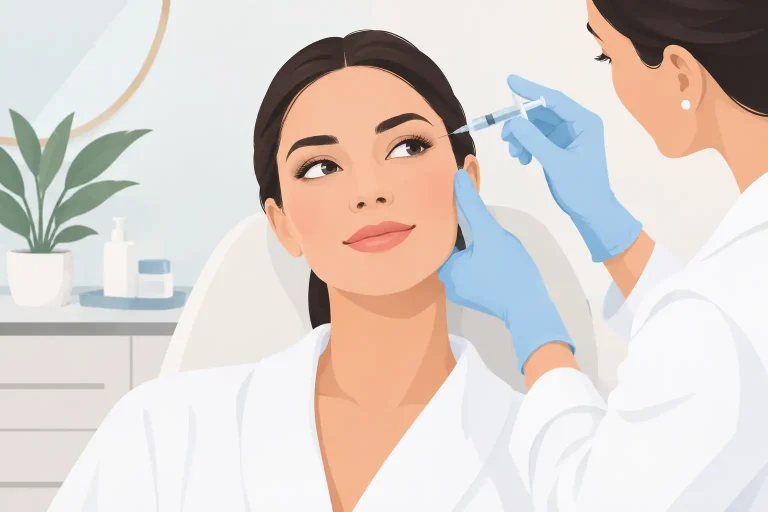
Dermal fillers restore facial volume by injecting hyaluronic acid, calcium hydroxylapatite, or poly-L-lactic acid into areas where natural volume loss has occurred. As we age, the face loses subcutaneous fat and collagen, creating hollowness under the eyes, flattening of the cheeks, and loss of jawline definition. Fillers reverse this directly.
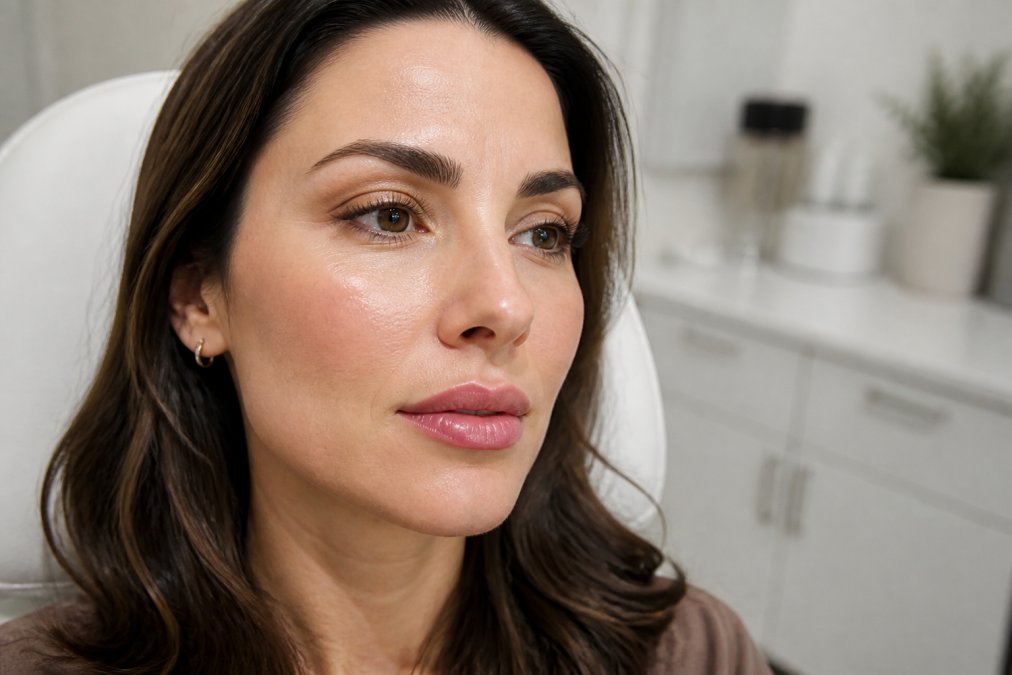
Hyaluronic acid is the most common injectable, a naturally occurring substance that binds water and plumps the skin, gradually breaking down over 6-12 months (the FDA). Botulinum toxin works differently, relaxing muscles that create dynamic wrinkles and preventing the repeated facial expressions that deepen lines. Most patients combine both: fillers restore volume, botulinum toxin prevents new wrinkles.
Natural-looking results depend on placement and restraint. Strategic placement in the tear trough, cheekbones, and jawline creates subtle definition and lift without the "pillow face" look. Recovery is minimal, mild swelling and bruising resolve within 3-7 days, and most patients return to work the same day. Results appear immediately and improve as swelling subsides over the first week.
Laser Skin Resurfacing and Photofacial Treatments
Laser skin resurfacing uses focused light energy to remove damaged outer layers of skin and stimulate collagen production in deeper layers, addressing sun damage, fine lines, rough texture, and pigmentation irregularities. Non-ablative lasers leave the epidermis intact for faster healing. Ablative lasers remove the full epidermis, delivering more dramatic results but requiring longer recovery.
Photofacial treatments use intense pulsed light (IPL) to target specific chromophores, melanin in age spots and hemoglobin in broken capillaries. The light is absorbed selectively, destroying pigmented cells and damaged blood vessels while leaving surrounding tissue untouched. Results appear gradually over weeks as the body clears damaged cells.
A person with primarily sun-damaged texture and fine lines benefits from ablative resurfacing. Someone with brown spots and redness responds better to photofacial. A patient with moderate wrinkles and dull tone might combine both in a series for cumulative epidermal renewal.
Non-ablative options like fractional laser create microscopic treatment zones, leaving surrounding skin intact. This accelerates healing to 3-5 days but requires multiple sessions for results equivalent to a single ablative treatment (the American Academy of Dermatology).
Series treatments work better than single sessions for most people. Three to five photofacial treatments spaced 3-4 weeks apart deliver more consistent pigmentation correction and collagen stimulation than one aggressive treatment.
Minimally Invasive Skin Tightening Technologies
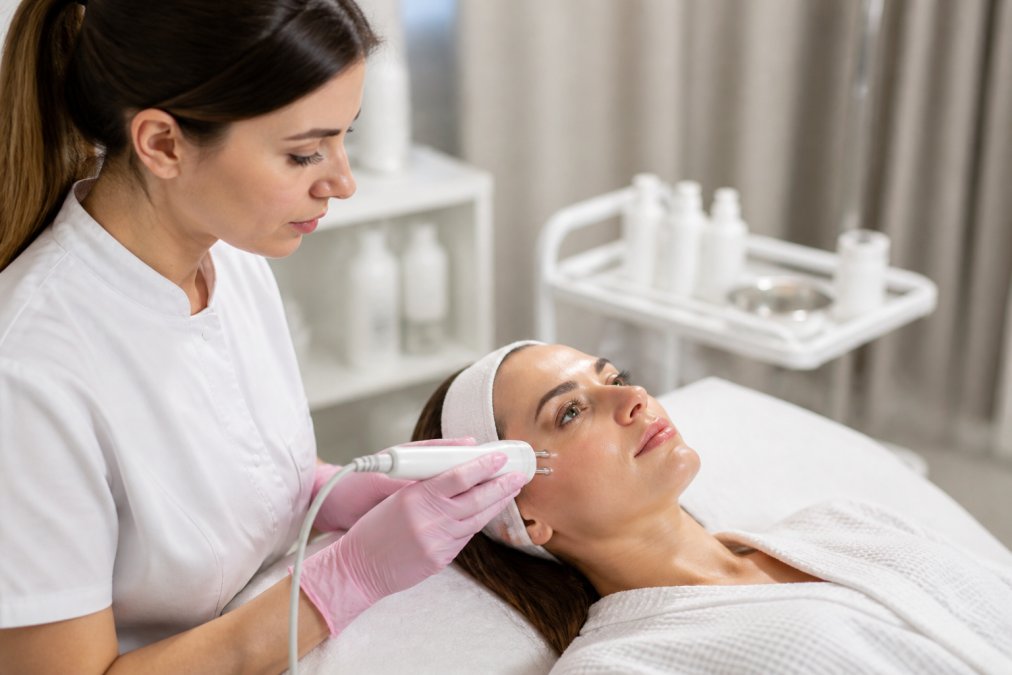
Skin tightening technologies work by heating deep dermal and subcutaneous layers to trigger collagen contraction and remodeling. Radiofrequency devices like Thermage deliver energy through the skin surface, heating tissue at depth without damaging the epidermis. Ultrasound-based treatments like Ultherapy focus energy at the dermal-subcutaneous junction, creating precise zones of thermal injury that stimulate collagen reorganization.
Results develop gradually over 2-6 months as collagen remodels, creating subtle but measurable skin tightening and jawline definition. These technologies work best for mild to moderate skin laxity and cannot replicate surgical facelift results, but for someone at 45-55 with early jowling and loose neck skin, a course of radiofrequency or ultrasound treatments can delay or reduce the need for surgery.
The real advantage is combining skin tightening with fillers and laser work in a single treatment plan. Fillers restore volume, laser resurfacing improves texture and pigmentation, skin tightening addresses laxity, together they create comprehensive facial rejuvenation that no single procedure achieves alone.
Recovery Time for Non-Surgical Facelifts
Recovery expectations vary dramatically by procedure and are essential for treatment planning, especially for busy professionals.
Dermal filler injections require minimal recovery. Mild swelling and bruising resolve within 3-7 days. Most patients return to work the same day. Avoid strenuous exercise and alcohol for 24 hours post-injection.

Botulinum toxin injections have virtually no downtime. No bruising occurs, and mild swelling resolves within hours. Results take 3-7 days to appear fully. Avoid rubbing injection sites for 4 hours post-treatment. medical-grade skincare.
Non-ablative laser treatments cause mild redness and swelling that resolve within 24-48 hours. Patients can apply makeup and return to normal activities immediately. Photofacial treatments produce similar minimal downtime.
Ablative laser resurfacing requires more significant recovery. The epidermis is removed, and the skin must re-epithelialize over 7-10 days. Redness persists for 2-4 weeks, and most patients take at least one week off work. Strict sun protection is mandatory for 4-6 weeks.
Radiofrequency and ultrasound skin tightening produce minimal visible downtime. Mild redness and swelling resolve within 24 hours. Results develop gradually over weeks and months.
Ignoring post-procedure sun protection is the fastest way to undo results and cause hyperpigmentation. New skin after laser treatment is especially vulnerable. Use SPF 30 minimum for 4-6 weeks, and consider SPF 50 if you’ll be outdoors regularly.
Peptide Therapy for Skin Health and Collagen Production
Peptide therapy uses short-chain amino acids to signal the body to increase collagen synthesis, improve skin hydration, and enhance cellular repair mechanisms. Unlike topical peptides that cannot penetrate the skin barrier effectively, therapeutic peptides are administered subcutaneously or via innovative delivery methods like Peptide Film, allowing systemic effects on skin health.
Specific peptides target different aging mechanisms. Some stimulate fibroblast activity, increasing collagen and elastin production. Others enhance growth hormone secretion, improving skin thickness and hydration from within. Still others reduce inflammation and oxidative stress that accelerate skin aging.
Results develop over 8-12 weeks as collagen density increases and skin barrier function improves. Patients report improved skin texture, firmness, hydration, and overall radiance. Peptide therapy pairs exceptionally well with non-surgical skin rejuvenation treatments. While lasers and fillers address immediate cosmetic concerns, peptides work at the cellular level to improve the skin’s capacity for healing and collagen remodeling. Patients combining peptide therapy with laser resurfacing or radiofrequency treatments experience faster visible improvement and longer-lasting results.
Building Your Personalized Treatment Plan
A personalized treatment plan begins with honest assessment of your primary aging concerns. Are you bothered most by volume loss, fine lines, skin texture, pigmentation, or skin laxity? Most people have multiple concerns, but prioritization matters.
Realistic expectation-setting is crucial. If you have significant skin laxity and jowling, non-surgical treatments will improve your appearance but won’t replicate a surgical facelift. However, many patients discover that combining multiple modalities creates surprisingly strong results.
Your treatment timeline and recovery tolerance matter enormously. A person who can take two weeks off work has different options than someone who cannot miss a single day. Someone with sensitive skin requires different laser settings than someone with resilient skin. Someone with darker skin tone needs different laser wavelengths to avoid hyperpigmentation.
Generally, we recommend starting with laser resurfacing or photofacial to address texture and pigmentation, then adding fillers for volume restoration, then skin tightening to address laxity. Spacing treatments 2-4 weeks apart allows swelling to resolve and prevents overwhelming the skin’s healing capacity.
Peptide therapy works best as a concurrent treatment. Starting peptide therapy before your cosmetic treatments begin primes your skin for better healing and collagen response. Continuing throughout your treatment plan and beyond optimizes long-term results.
Post-Procedure Maintenance and Skincare Routines
Post-procedure skincare determines whether results persist or fade. Most people underestimate how much ongoing maintenance matters. A single laser treatment creates visible improvement, but without proper post-care, that improvement diminishes within months.
The immediate post-procedure phase (first 1-2 weeks) prioritizes healing and protection. Gentle cleansing with lukewarm water and a fragrance-free cleanser prevents infection and irritation. Avoid active ingredients like retinoids, vitamin C serums, and alpha hydroxy acids until the skin barrier has fully healed. Moisturize aggressively and use broad-spectrum SPF 30 minimum, SPF 50 if outdoors.
The medium-term phase (weeks 2-8) focuses on supporting collagen remodeling. Once the skin barrier has healed, reintroduce active ingredients gradually. Start with gentle retinoids to support collagen synthesis. Add peptide serums to reinforce the collagen-building effects of your in-office peptide therapy. Continue aggressive sun protection.
The long-term maintenance phase (months 3 onward) establishes routines that preserve and enhance results. A good maintenance skincare routine includes:
- Gentle daily cleanser (morning and night)
- Hydrating toner or essence to support skin barrier
- Peptide serum or growth factor serum to support collagen maintenance
- Retinoid (2-3 times weekly) to prevent fine line recurrence
- Moisturizer appropriate to your skin type
- Broad-spectrum SPF 30 minimum daily, SPF 50 for outdoor activities
- Monthly or quarterly professional treatments to maintain results
The most common mistake is abandoning skincare after the initial treatment excitement fades. A person who invests in professional treatments but neglects home skincare loses 40-50% of their improvement within 6-12 months. A person who combines professional treatments with diligent home skincare maintains and improves results over years.
Schedule maintenance treatments before results fade completely. Most people benefit from touch-up filler injections every 9-12 months, photofacial or laser treatments annually, and skin tightening treatments every 12-18 months. Staying ahead of aging is easier than trying to catch up.
The path to meaningful facial rejuvenation doesn’t require surgery. It requires understanding what’s actually aging your skin, selecting treatments that address those specific mechanisms, and committing to post-procedure care that preserves and builds on your results.
At Thrive Health Solutions, we specialize in designing comprehensive non-surgical skin rejuvenation plans that deliver measurable improvements in firmness, radiance, and vitality. Our doctor-supervised approach combines dermal fillers, laser resurfacing, skin tightening technologies, and peptide therapy into personalized treatment sequences tailored to your unique aging patterns and lifestyle. Learn about personalized aesthetic treatment planning from the American Academy of Dermatology to understand how professional guidance shapes better outcomes. Ready to explore your options? Book a consultation with our team to discuss which combination of treatments will deliver the results you’re looking for.
Frequently Asked Questions
What is the best non-surgical skin rejuvenation treatment for fine lines and wrinkles?
The best choice depends on your skin type, the depth of wrinkles, and your goals. Dermal fillers work well for volume loss and moderate lines, while laser resurfacing targets surface texture and fine lines. Many people see the strongest results by combining treatments, for example, fillers for cheek volume plus laser for overall skin texture. A clinical consultation with a qualified provider helps determine which approach fits your specific needs and skin condition.
How long do results from non-surgical skin tightening actually last?
Results vary by treatment type. Dermal fillers typically last 6-18 months depending on the product and injection site. Laser resurfacing results improve over 3-6 months as collagen production increases, with effects lasting 1-2 years. Radiofrequency and ultrasound skin tightening treatments show gradual improvement over 2-3 months and can last 12-18 months. Maintenance treatments extend results. Your provider will discuss expected timelines during your personalized treatment plan consultation.
What is recovery time like for non-surgical facelifts, and can I return to work?
Most non-surgical treatments have minimal downtime. Dermal fillers may cause slight swelling or bruising for 24-48 hours. Laser resurfacing typically involves 3-7 days of redness and flaking depending on intensity. Radiofrequency and ultrasound treatments usually have no downtime. Many patients return to normal activities immediately or within 1-2 days. Your provider will give you specific aftercare instructions based on your treatment to minimize any visible effects.
How does peptide therapy support skin health and collagen production?
Peptides are amino acid chains that signal your body to increase collagen and elastin production, the proteins responsible for skin firmness and elasticity. Peptide therapy works at a deeper level than topical treatments, supporting your skin's natural renewal process from within. When combined with other non-surgical treatments like laser or fillers, peptides enhance overall results by improving skin quality and supporting the structural changes those treatments create. Results develop gradually over weeks to months as collagen rebuilds.
This article was written using GrandRanker