Table of Contents
- Why Menopause Anxiety Happens and What Non-Hormonal Options Exist
- Perimenopause Anxiety Symptoms: Recognizing What You’re Feeling
- CBT for Menopause Anxiety: How Talk Therapy Rewires the Panic Loop
- Menopause Anxiety Supplements: What the Evidence Actually Shows
- Lifestyle Changes for Menopause Anxiety That Move the Needle
- How to Evaluate Supplement Quality and Avoid Interactions
- When to Talk to a Doctor About Menopause Anxiety
- Frequently Asked Questions
Last Updated: October 17, 2026
Why Menopause Anxiety Happens and What Non-Hormonal Options Exist
Menopause anxiety is the surge of worry, racing thoughts, and physical tension that many women notice as estrogen levels shift during perimenopause and menopause. At Thrive Health Solutions, we hear the same thing from patients constantly: the anxiety arrived before they expected it, and nobody warned them it was tied to hormones.
Here’s what most guides get wrong. They treat anxiety as a separate problem from the hormonal transition. It isn’t. Falling and fluctuating estrogen affects the brain chemicals that regulate mood and stress response, which is why anxiety often shows up alongside hot flashes and poor sleep.
The good news: you have real options that don’t involve hormone therapy. Below, we break down non-hormonal treatments for menopause anxiety, from therapy to supplements to daily habits, and we’re honest about which ones have the strongest backing.
Non-hormonal options are not “lesser” options. For many women, talk therapy and targeted lifestyle changes ease anxiety as effectively as medication, without the side effects.
Perimenopause Anxiety Symptoms: Recognizing What You’re Feeling
Perimenopause anxiety symptoms often include a racing heart, tight chest, intrusive thoughts, irritability, and a sense of dread that seems to come out of nowhere. The tricky part is that these symptoms overlap with ordinary stress, so many women blame their jobs or their families instead of their hormones.
Watch for patterns. Anxiety that spikes in the week before your period, wakes you at 3 a.m., or arrives with a hot flash is worth discussing with a clinician. So is anxiety that started in your early 40s with no obvious trigger.
Other common signs include:
- Sudden panic that feels physical, not mental
- Irritability and mood swings that surprise you
- Trouble concentrating or a foggy feeling
- Sleep problems that make everything worse the next day
Tracking your symptoms for a few weeks gives a clinician real data to work with, rather than a vague “I just feel off.”
CBT for Menopause Anxiety: How Talk Therapy Rewires the Panic Loop
CBT for menopause anxiety is one of the best-supported non-hormonal treatments available. Cognitive behavioral therapy teaches you to spot the thought patterns that feed anxiety and replace them with more accurate ones. It also targets the physical side, like the shallow breathing that turns mild worry into a full panic response.

A common mistake is waiting until anxiety is unbearable before trying therapy. CBT works best as a skill you build early, not a rescue you call at the bottom. Most people need a handful of sessions to learn the core tools, then practice them on their own.
What most guides miss: CBT is not just “talking about your feelings.” It’s structured homework. You log thoughts, test them against reality, and retrain your response to stress. That structure is exactly why it holds up in clinical research for anxiety across age groups.
Menopause Anxiety Supplements: What the Evidence Actually Shows
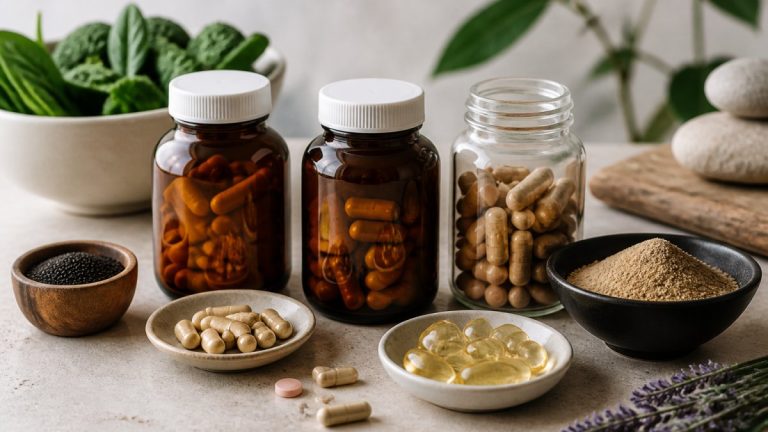
Menopause anxiety supplements are where the marketing runs far ahead of the science. Some ingredients have real research behind them. Others are sold on hope. The useful question is not “does this supplement work for menopause?” but “does this ingredient have evidence for the specific symptom I am trying to fix?” Below is a plain breakdown by ingredient, the symptom it is actually studied for, and how strong that evidence really is.
| Ingredient | Studied For | Evidence Strength | Typical Studied Dose Context | Key Cautions |
|---|---|---|---|---|
| Black cohosh | Hot flashes, night sweats; limited data on mood | Mixed | Standardized extracts studied in short trials | Rare liver injury reported; avoid with known liver disease |
| Magnesium glycinate or citrate | Sleep quality, muscle tension, mild anxiety | Moderate for sleep; limited for anxiety itself | Common supplemental ranges, not megadoses | Loose stools with citrate; caution with kidney disease |
| Vitamin B6 | Mood support, irritability, premenstrual anxiety | Moderate | Recommended dietary allowance, not high-dose | High doses over time can cause nerve damage |
| Vitamin D + calcium | Bone health | Strong for bone; not an anxiety treatment | Standard daily reference intakes | Do not exceed upper limits without lab guidance |
| Phytoestrogens (soy isoflavones, red clover) | Hot flashes, night sweats | Mixed | Standardized isoflavone amounts in trials | May be unsuitable with hormone-sensitive conditions |
| Maca | Energy, libido, mood | Limited | Small short studies | Little long-term safety data |
| Siberian rhubarb (ERr 731) | Hot flashes, mood, sleep in small trials | Limited | One proprietary extract studied | Not interchangeable with other rhubarb products |
| St. John’s wort | Mild to moderate depression | Moderate for depression, not menopause anxiety | Standardized hypericin extracts | Strong interactions with many prescriptions |
| L-theanine | Relaxation, sleep onset | Limited | Small studies | Generally well tolerated |
| Valerian | Sleep | Mixed | Variable extracts | Sedation; avoid combining with sedatives |
The honest take: no supplement is a proven cure for menopause anxiety. The strongest case is indirect. Magnesium and B6 may help if poor sleep or low intake is part of your picture. Black cohosh and phytoestrogens have the most research for hot flashes and night sweats, which in turn drive anxiety for many women, but the mood evidence is thin. St. John’s wort has real antidepressant evidence but is not a menopause-specific anxiety treatment and carries serious interaction risks.
A practical way to read this table is by your dominant symptom. If your anxiety is worst on nights you sleep badly, sleep-focused ingredients such as magnesium and valerian deserve a conversation with your clinician. If anxiety arrives with hot flashes, the hot-flash evidence for black cohosh and soy isoflavones is more relevant than any direct anxiety claim.
Herbal supplements can interact with medications, including blood thinners, antidepressants, and blood pressure drugs. Never start one without telling your clinician what else you take.
Lifestyle Changes for Menopause Anxiety That Move the Needle
Lifestyle changes for menopause anxiety work best when you pick two or three and stay consistent, rather than overhauling everything at once. The fundamentals that matter most:
- Sleep: Protect a consistent bedtime. Poor sleep and anxiety feed each other.
- Movement: Regular aerobic exercise and strength training both support mood and bone health.
- Caffeine and alcohol: Cut back, especially in the afternoon and evening. Both can mimic or worsen anxiety.
- Blood sugar: Steady meals reduce the jittery crashes that feel like panic.
- Breathing practice: Slow, paced breathing calms the nervous system in minutes.
- Connection: Isolation amplifies anxiety. Regular contact with friends and support groups helps.
Many women find that a short daily walk and a consistent wake time do more for their anxiety than any bottle on the shelf.
How to Evaluate Supplement Quality and Avoid Interactions
Evaluating supplement quality comes down to a few checks that most shoppers skip. Start with third-party testing seals, which confirm a product contains what the label claims. Look for a clear ingredient list with amounts, not a vague “proprietary blend.” Then check the interaction and contraindication picture before you buy, because that is where most of the real risk sits.
Use this checklist before you buy:
- Does the label list exact amounts per ingredient?
- Is there a third-party testing seal?
- Does it name the part of the plant used (for botanicals)?
- Is the extract standardized to a marker compound, and is that stated?
- Have you checked it against your current medications?
- Is the dose within studied ranges, not megadoses?
- Does the company publish contact info and sourcing details?
- Does the marketing avoid unsupported “hormone balance” or “cure” claims?
Interactions are the bigger risk, and they deserve more than a general “ask your doctor” line. A few practical cautions:
- Blood thinners and antiplatelet drugs: Several botanicals, including some used for mood and hot flashes, can add to bleeding risk. Tell your prescriber before starting anything.
- Antidepressants and anti-anxiety medications: St. John’s wort and other mood-focused herbs can interact with serotonin-related drugs. Do not combine them without clinical guidance.
- Blood pressure and heart medications: Some herbs affect blood pressure or heart rhythm. Review the full list with a pharmacist.
- Hormone-sensitive conditions: Phytoestrogens and other plant compounds with estrogen-like activity may be unsuitable for women with a history of hormone-sensitive cancer or related conditions. This is a conversation for your oncologist or clinician, not a label decision.
- Liver health: Black cohosh has been linked to rare liver injury. Avoid it if you have known liver disease, and stop and seek care if you notice jaundice, dark urine, or unusual fatigue.
- Sedatives and sleep aids: Valerian and similar herbs can compound drowsiness when combined with prescription sleep medications.
- Thyroid medication and absorption: Calcium, magnesium, and iron can interfere with absorption of some medications if taken at the same time. Separate doses as directed.
Quality signals are not a substitute for this review. A product can pass third-party testing and still be wrong for your medication list or health history. Bring your full supplement list, including doses, to your doctor or pharmacist and ask for a specific interaction check rather than a general opinion.
Photograph every supplement label you take, including the supplement facts panel, and keep the images in one folder on your phone. It makes every appointment and pharmacy conversation faster and more accurate.
When to Talk to a Doctor About Menopause Anxiety
Talk to a doctor about menopause anxiety when symptoms interfere with sleep, work, or relationships, or when you notice physical symptoms like a racing heart that concern you. Anxiety that comes with chest pain, shortness of breath, or thoughts of self-harm needs prompt medical attention.
A clinician can rule out thyroid problems, anemia, and other conditions that mimic anxiety. They can also discuss whether hormone therapy, non-hormonal medication, or therapy is right for you. Per The North American Menopause Society, treatment should be individualized to your symptoms and health history.
At Thrive Health Solutions, we take a whole-body approach. Our doctor-supervised care includes bioidentical hormone replacement, medical weight loss, and peptide therapy, all tailored to your needs. We start with a real conversation about your symptoms, not a sales pitch. If hormones aren’t the right path for you, we’ll say so and help you build a non-hormonal plan.
Bring a written symptom log to your appointment. Clinicians can act on patterns and dates far faster than on a general description of feeling anxious.
Frequently Asked Questions
What non-hormonal treatments can help with menopause anxiety?
Several evidence-based options exist. Cognitive behavioral therapy (CBT) has strong support for reducing anxiety during the menopause transition. Certain supplements, including black cohosh and magnesium, may help some women, though evidence varies by ingredient. Lifestyle changes such as regular aerobic exercise, sleep hygiene, and reducing caffeine and alcohol can lower baseline anxiety. Selective serotonin reuptake inhibitors (SSRIs) and serotonin-norepinephrine reuptake inhibitors (SNRIs) are also prescribed off-label for menopause anxiety. A healthcare professional can help match treatments to your symptoms and health history.
Can menopause anxiety be treated without hormone therapy?
Yes. Many women manage menopause anxiety without hormone therapy. CBT, lifestyle changes, and select supplements address anxiety directly without altering hormone levels. For women who cannot or prefer not to use hormone therapy, SSRIs and SNRIs offer another path. The right choice depends on symptom severity, medical history, and personal preference. A doctor can review contraindications and help you build a plan that fits your situation.
How long do non-hormonal treatments take to reduce menopause anxiety?
Timelines vary by treatment. CBT often produces measurable anxiety relief within 8 to 12 weekly sessions. Lifestyle changes like exercise and sleep improvements may show benefits in 4 to 6 weeks with consistent practice. Supplements vary widely by ingredient; some women notice changes in 4 to 8 weeks, while others see no effect. Tracking symptoms weekly helps you and your doctor decide whether to continue, adjust, or switch approaches.
When should I talk to a doctor about menopause anxiety?
Talk to a doctor if anxiety interferes with sleep, work, or relationships, or if you experience panic attacks. Also seek help if anxiety comes with physical symptoms like chest pain or shortness of breath, which need medical evaluation. A doctor can rule out thyroid issues, check for medication interactions, and discuss whether therapy, supplements, or prescription treatment fits your needs. Bring a symptom log to your visit to make the conversation more productive.
Anxiety during menopause is common, treatable, and not something you have to white-knuckle through alone. If you’re in the Denver area and want a personalized, doctor-supervised plan, Thrive Health Solutions offers comprehensive evaluations and tailored care, including bioidentical hormone replacement and medical weight loss. Book a consultation and get clear answers about what’s driving your symptoms and which options fit your life.